The Airport Upgrade That Doesn’t Work the Way You Expect
Airports are built on urgency. So when an upgrade promises protection from that urgency, it feels logical to accept. For an added fee, you can purchase priority everything, priority check-in, priority security, priority boarding and a layered shield against stress.
On paper, it looks like insurance against chaos. In reality, it doesn’t guarantee a smoother trip.
The idea behind bundled airport priority packages is simple, move ahead of the crowd and your experience improves. But airport friction rarely lives in just one place. A shorter security line does not prevent a delayed inbound aircraft. Early boarding does not speed up pushback when the runway is congested. A dedicated check-in counter does not change weather patterns or air traffic flow.
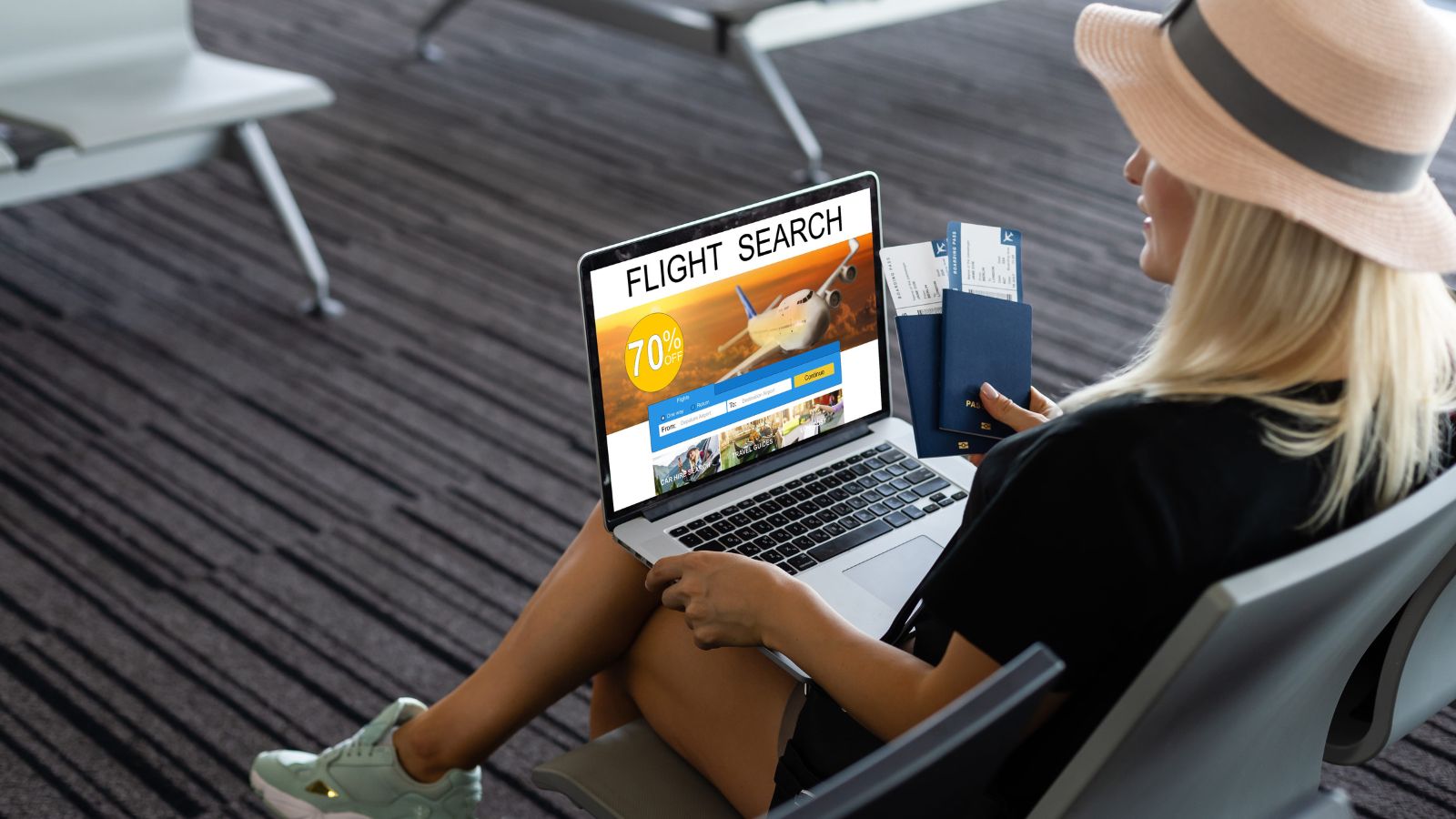
Priority reduces small inconveniences. It does not eliminate systemic delays. We also see expectations rise with the price tag.
When travelers pay for expedited treatment, tolerance drops. A five-minute wait in a priority lane feels longer than fifteen minutes in a standard queue. Minor disruptions feel amplified because the upgrade implied insulation from them.
There is also inconsistency.
Not all airports design priority access the same way. Some deliver clear time savings. Others merge lanes at the last moment. During peak hours, premium lines can fill quickly, especially when multiple airlines sell similar access to large passenger volumes.
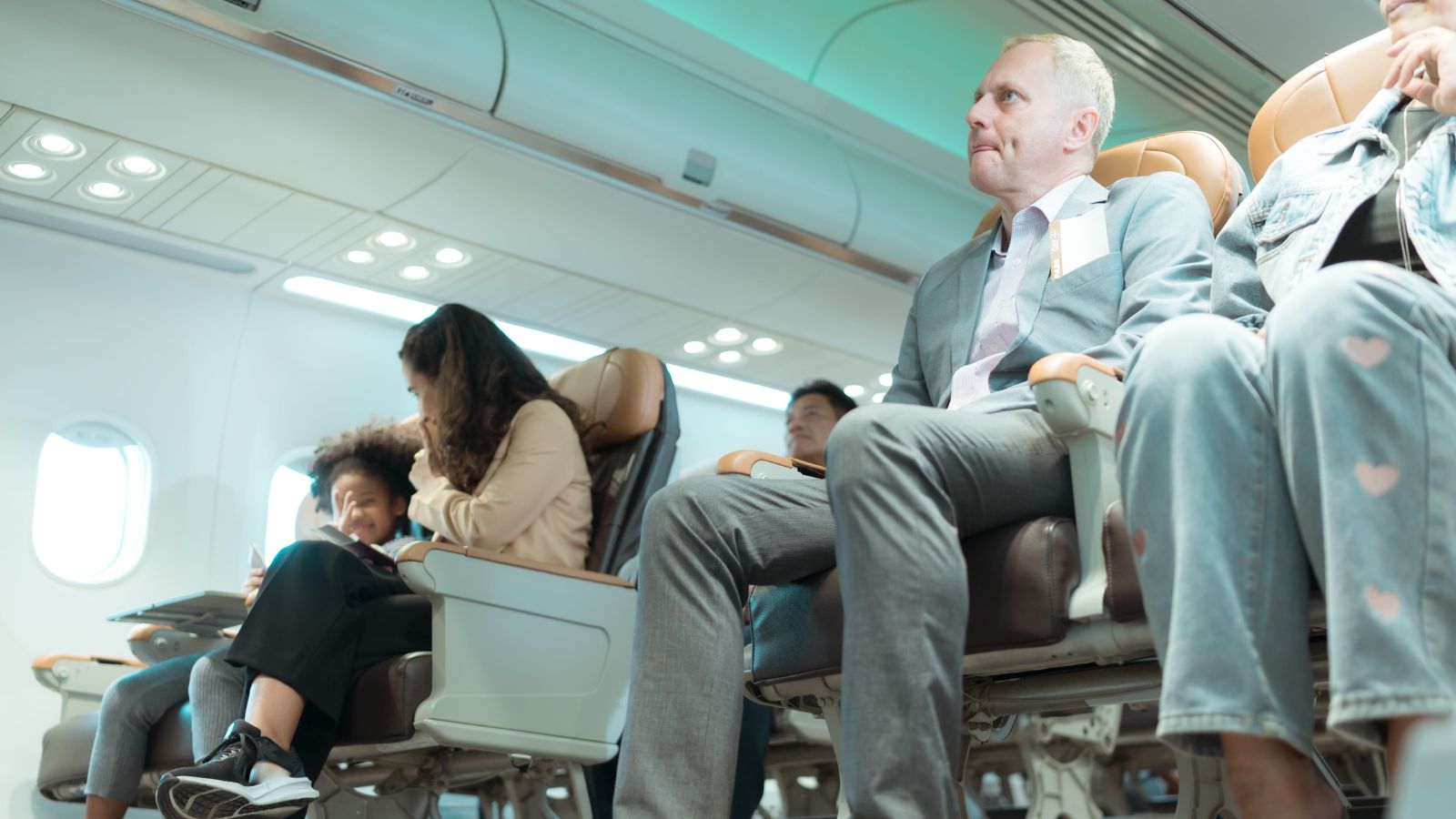
Boarding early, another perceived safety net, has its own trade-offs. Sitting longer on a stationary aircraft rarely feels luxurious. It simply shifts waiting time from the gate to the cabin.
We recommend clarity before checkout.

Ask what problem the upgrade is actually solving. If you are traveling during a holiday surge, connecting tightly between flights, or flying from an airport known for long queues, priority access can make sense. If your departure is midweek during off-peak hours, the benefit may be marginal.
A smoother trip is rarely built on a single add-on.
It is built on buffer time, realistic connections, and measured expectations. Airport upgrades can improve convenience. They just cannot guarantee control. And sometimes, the calmest journeys begin not with buying priority but with planning for normalcy.
