The Biggest Mistake First-Time Cruisers Make and Why It Matters
Cruising looks effortless from the outside. You unpack once. Eat when you want. Drift from port to port. Many first-time cruisers step onboard expecting a slow, flexible escape. What they often discover instead is a trip quietly shaped by time. More specifically, how quickly it moves.
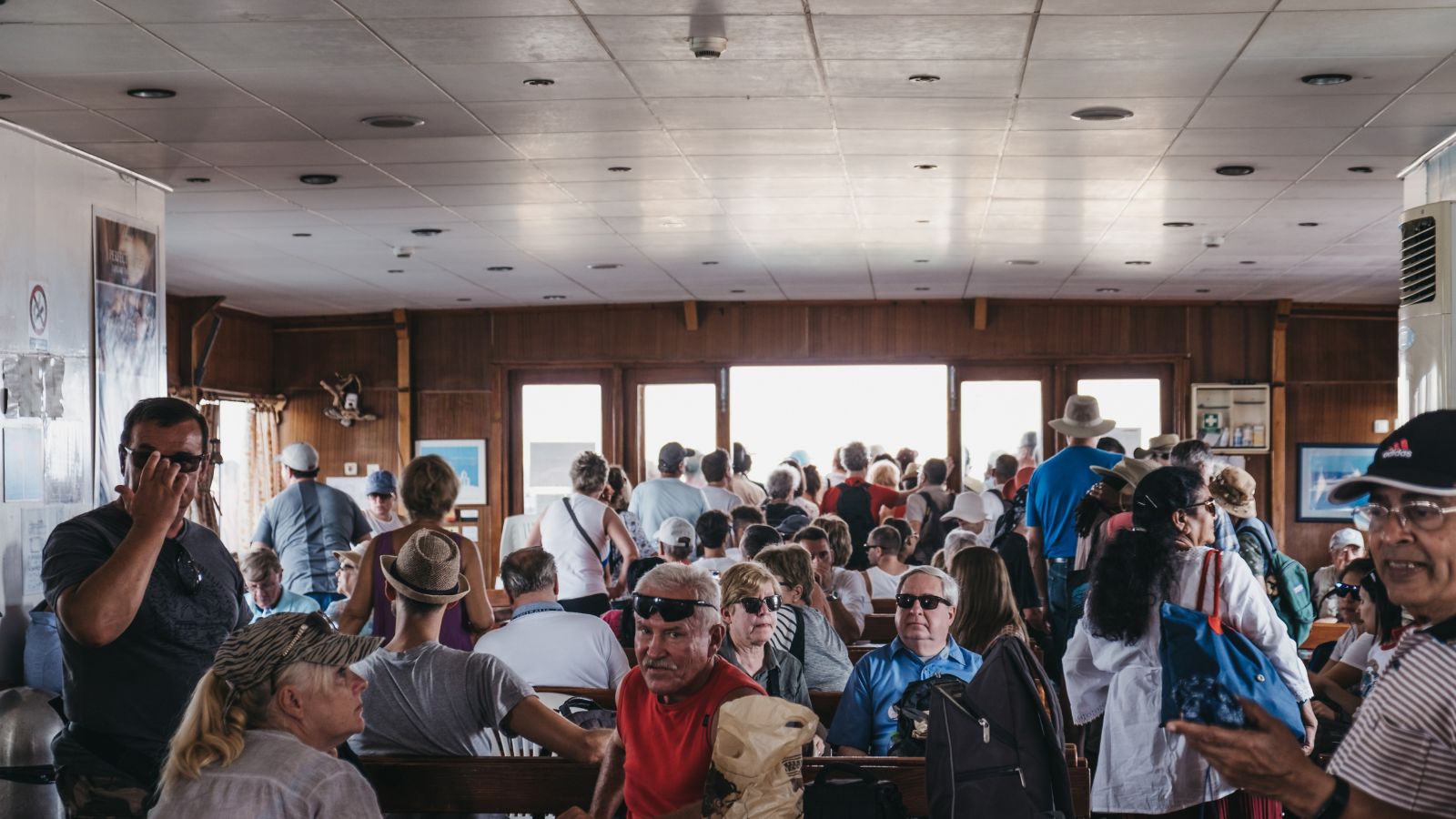
The most common misjudgment is pacing. Cruises feel relaxed, but they run on a tight clock. Boarding windows close. Excursions leave on schedule. Shows start on time. Dining slots fill fast. Days that seem wide open on paper fill up quickly once the ship is moving.
We see this misunderstanding play out early. New cruisers linger over breakfast, assuming they can wander off the ship whenever they’re ready. Then they realize the port call is shorter than expected. Or they book back-to-back activities without leaving room to rest, only to feel exhausted by day three.
Cruise ships offer abundance, not endless time. Multiple restaurants, pools, shows, and destinations compete for attention. First-time cruisers often try to do everything. The result is rushing through experiences meant to be enjoyed slowly.
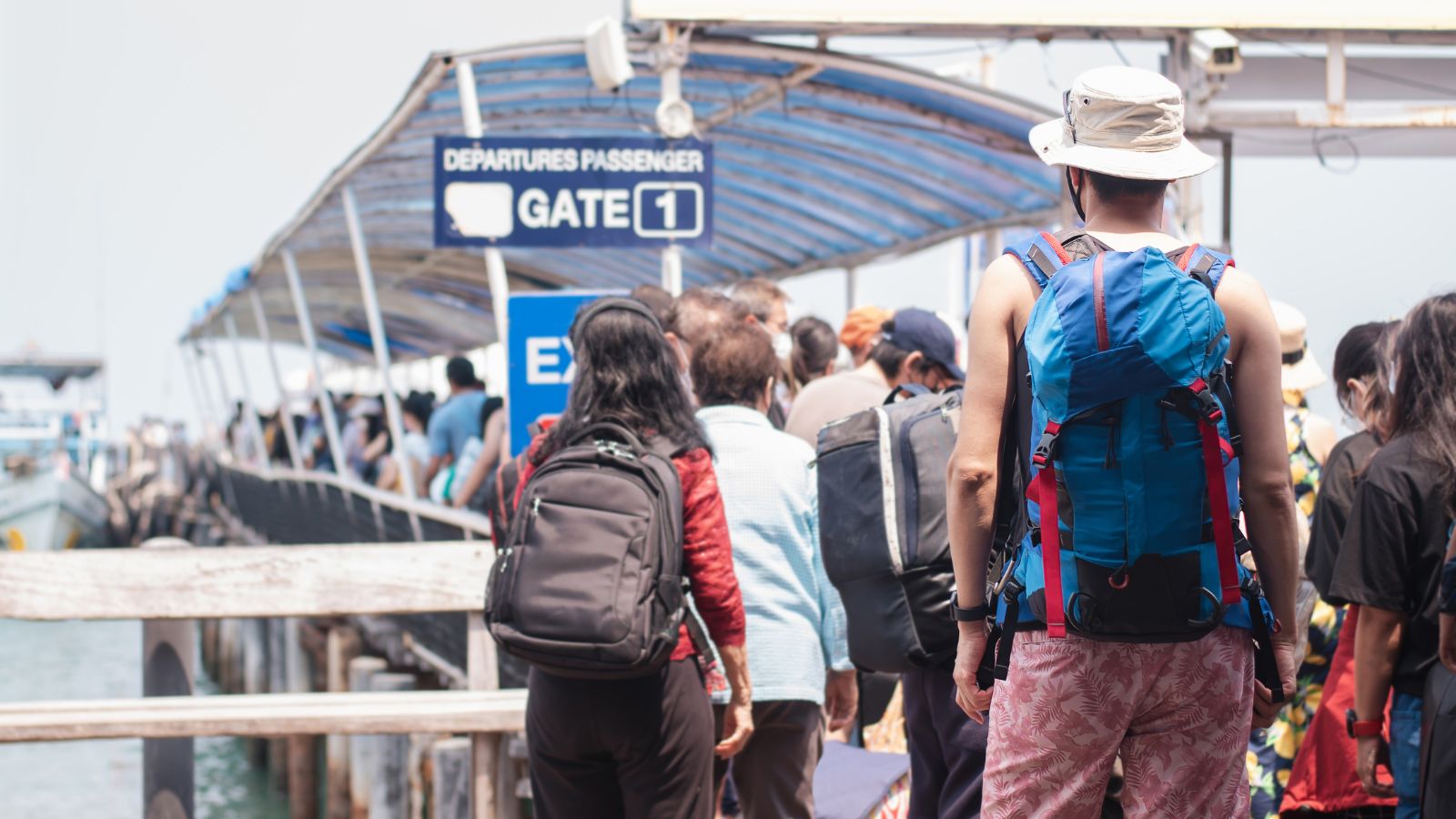
Port days highlight this most. Getting off the ship takes time. Getting back requires buffer. Local traffic, long lines, and tender schedules add unpredictability. When cruisers misjudge this, stress replaces ease. No one enjoys watching the clock while trying to enjoy a new place.
Even sea days have structure. Popular activities fill early. Quiet spaces disappear fast. Waiting until the last minute often means missing out or settling for what’s left. Experienced cruisers plan lightly but intentionally. That balance is rarely obvious to newcomers.
This doesn’t mean cruising is rigid. It means it rewards awareness. The freedom comes from understanding the rhythm, not ignoring it. When time is respected, the experience opens up.
So what helps? We recommend choosing fewer priorities each day. Build in margins. Arrive early, then relax. Treat the schedule as a guide, not a challenge. Let some opportunities pass without regret.
Cruising works best when expectations match reality. It isn’t about squeezing everything in. It’s about moving with the ship, not against it.
Once first-time cruisers adjust their sense of time, everything else feels easier. Meals taste better. Ports feel richer. The ship feels calmer. The vacation becomes what it was meant to be—not rushed, not crowded, but well-paced and genuinely enjoyable.
