The Lesson Hidden Inside a Disappointing Trip
Not every trip lives up to expectations. Sometimes the weather refuses to cooperate. Sometimes the hotel looks better online than in person. Sometimes the destination simply doesn’t resonate the way we thought it would. A disappointing trip can feel like wasted time and money, especially after months of anticipation.
But disappointment in travel often reveals something more useful than a flawless itinerary ever could.
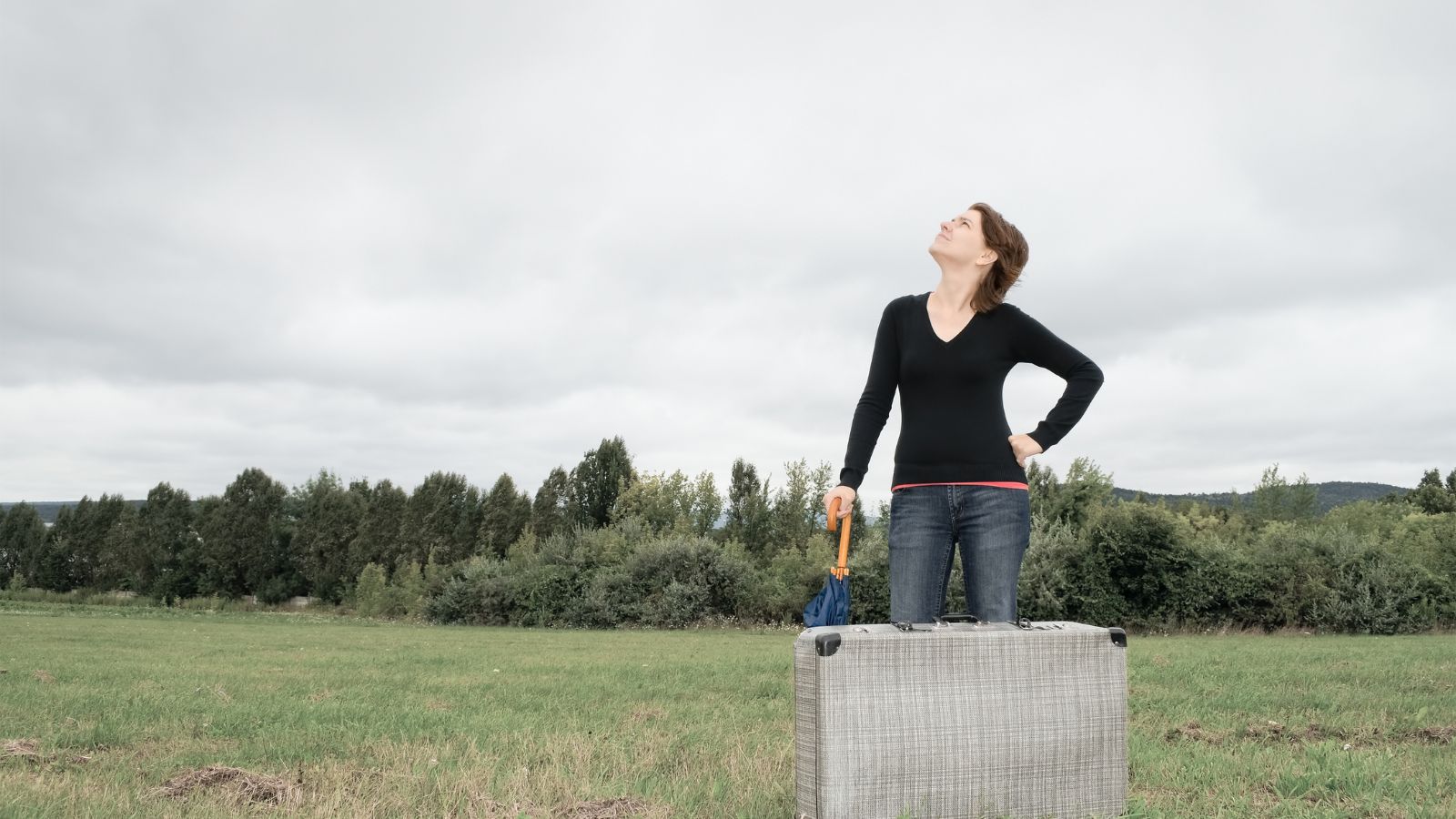
When a trip falls short, it forces clarity. We begin to notice what actually matters to us. Maybe we realize we value walkable neighborhoods more than luxury amenities. Maybe we prefer nature over nightlife, or slower pacing over packed schedules. A destination that doesn’t fit acts like a mirror, reflecting preferences we hadn’t fully defined before.
Disappointing trips also expose the gap between expectation and reality. Social media, glossy travel guides, and curated reviews can create an image that no real place can sustain. When the experience doesn’t match the promise, the lesson isn’t necessarily that the destination failed, it may be that we expected it to deliver something too specific. Learning to separate marketing from personal fit becomes part of becoming a more intentional traveler.

There’s also resilience built into travel missteps. Missed trains, closed attractions, and underwhelming meals teach adaptability. We learn to pivot, to adjust plans, to salvage a day rather than surrender it. That skill carries forward into future trips, making them smoother not because nothing goes wrong, but because we handle setbacks differently.
Perhaps most importantly, a disappointing trip helps recalibrate gratitude. After experiencing a place that didn’t quite connect, we recognize more quickly when one does. We appreciate the details that align with our preferences. We become less concerned with chasing must-see lists and more focused on choosing experiences that genuinely suit us.

A trip that doesn’t impress us may not produce the photos we imagined or the stories we hoped to tell. But it can quietly sharpen our instincts. It can teach us how to travel better next time.
And sometimes, that lesson turns out to be more valuable than the trip itself.
