The Moment Travel Stops Being About Photos
At some point on almost every trip, there’s a shift. Early on, we reach for our phones constantly capturing the skyline, the plate of food, the perfect angle of a famous landmark. We document arrivals, sunsets, and hotel rooms before we’ve fully experienced them. But then, often quietly, something changes. Travel stops being about photos.
It usually happens when a moment resists framing.

Maybe it’s standing at the edge of a canyon where the scale feels impossible to compress into a screen. Maybe it’s a conversation with a local that unfolds too naturally to interrupt. Or maybe it’s a simple morning coffee on a balcony where the light and air feel complete without proof. In those moments, taking a photo feels secondary to simply being there.
This shift isn’t about rejecting photography. Photos help us remember, and they allow us to share experiences with others. But when the act of documenting begins to compete with presence, the experience thins out. We start seeing through a lens instead of with our own eyes. Travel becomes content rather than connection.
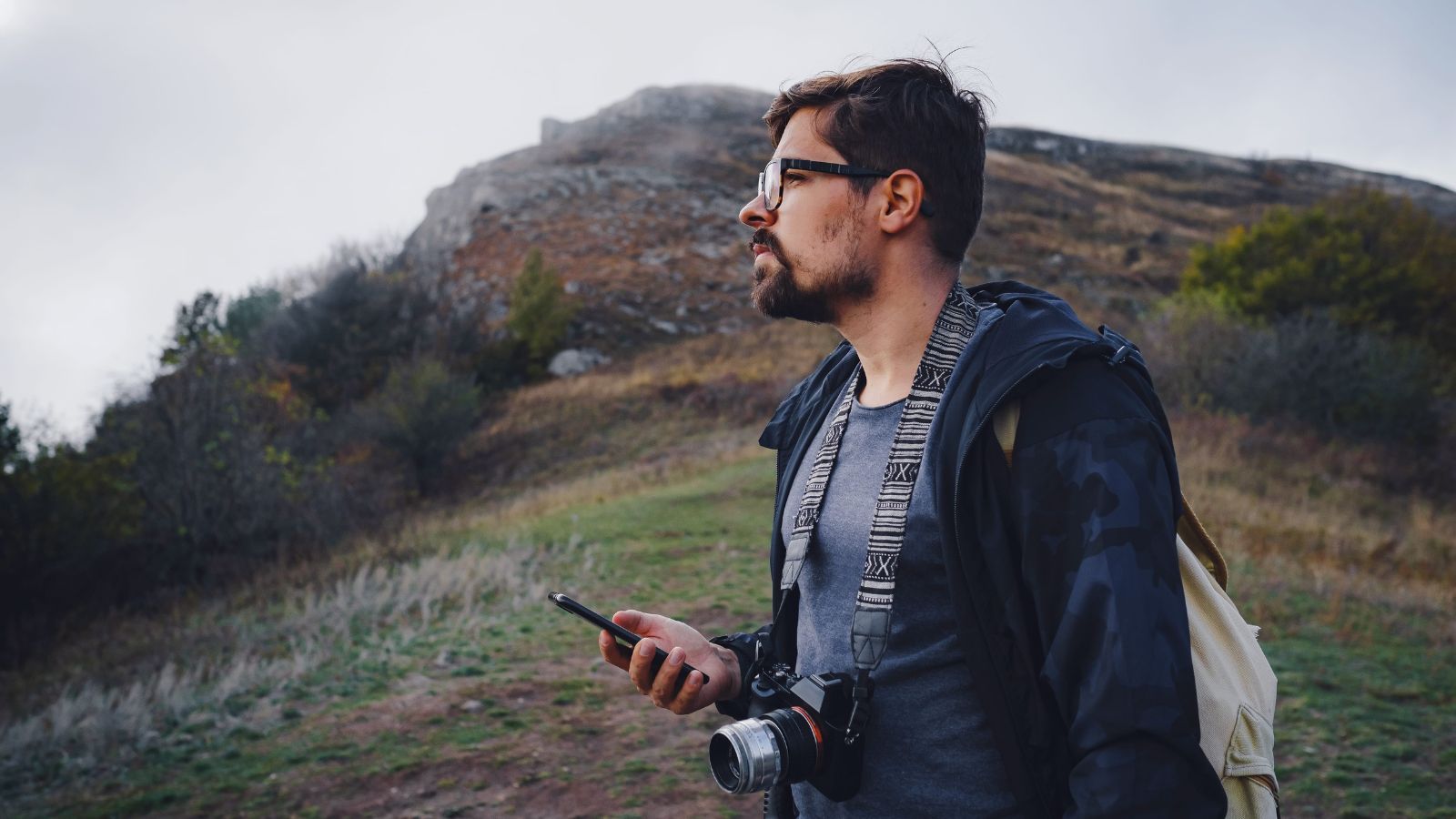
The moment travel stops being about photos is often when we feel grounded in a place. We’re no longer trying to prove we’re there. We’re no longer curating highlights. Instead, we’re absorbing details, the sound of traffic, the rhythm of waves, the cadence of a language we don’t fully understand. These are things a camera rarely captures well.
Ironically, those are the trips that stay with us longest. The memory isn’t tied to a perfectly edited image but to a feeling. Warmth, awe, calm, belonging. We might have fewer photos, but we carry more clarity about what the place meant.
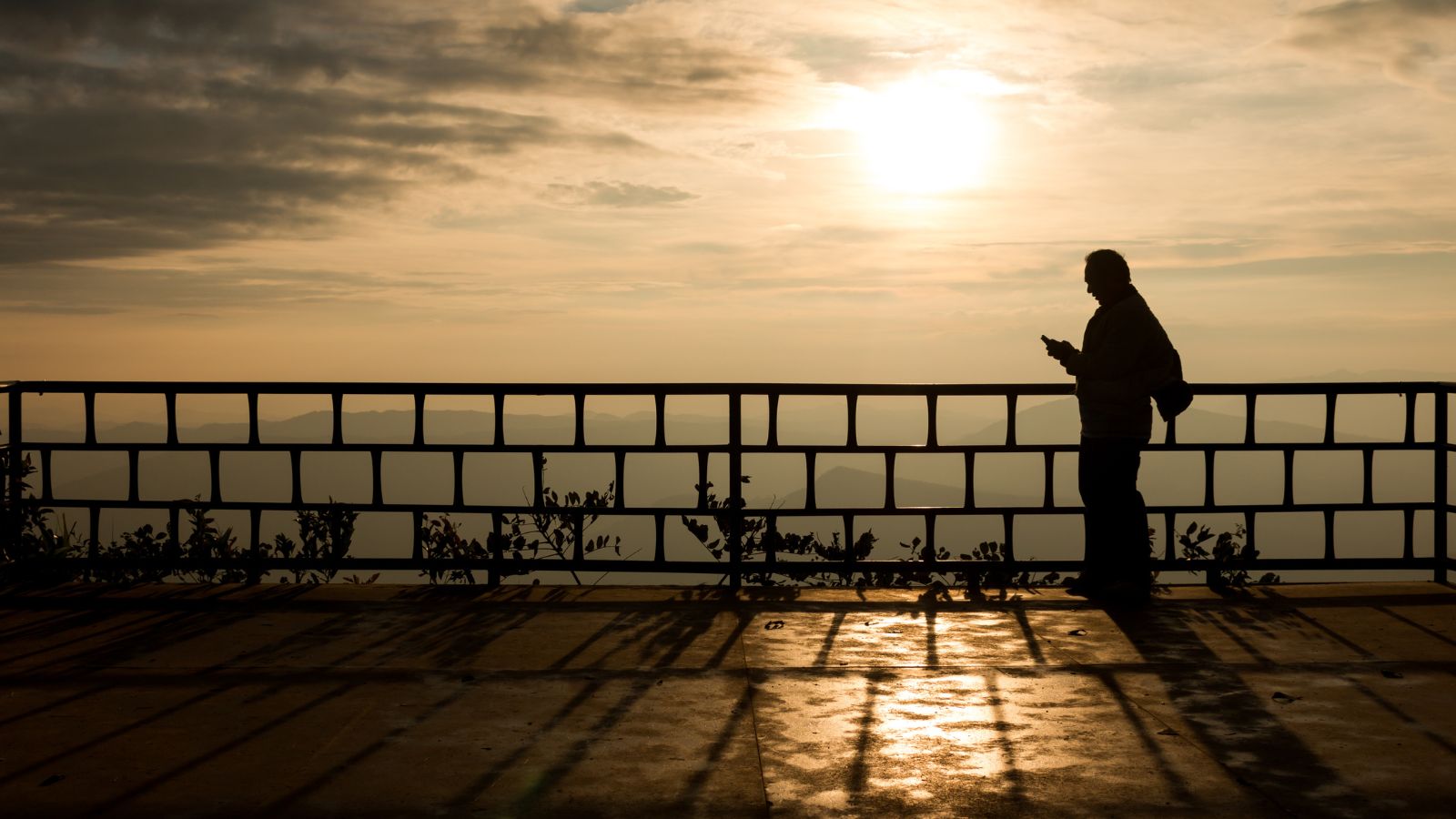
When travel shifts from performance to presence, something deeper takes over. We stop asking whether a moment looks impressive and start noticing whether it feels meaningful. And that’s often the exact point when the trip becomes truly ours, and not just something to display, but something to remember.
