The One Question to Ask at Check-In for Better Hotel Service
Check-in usually feels routine. A greeting, a reservation, a key. Most guests head straight to their room and figure things out along the way.
But one simple question can quietly improve the entire stay. What do you recommend?
Asking this at check-in shifts the interaction immediately. Instead of a basic transaction, the conversation becomes personal. Staff move from processing a guest to assisting one. The difference shows quickly.
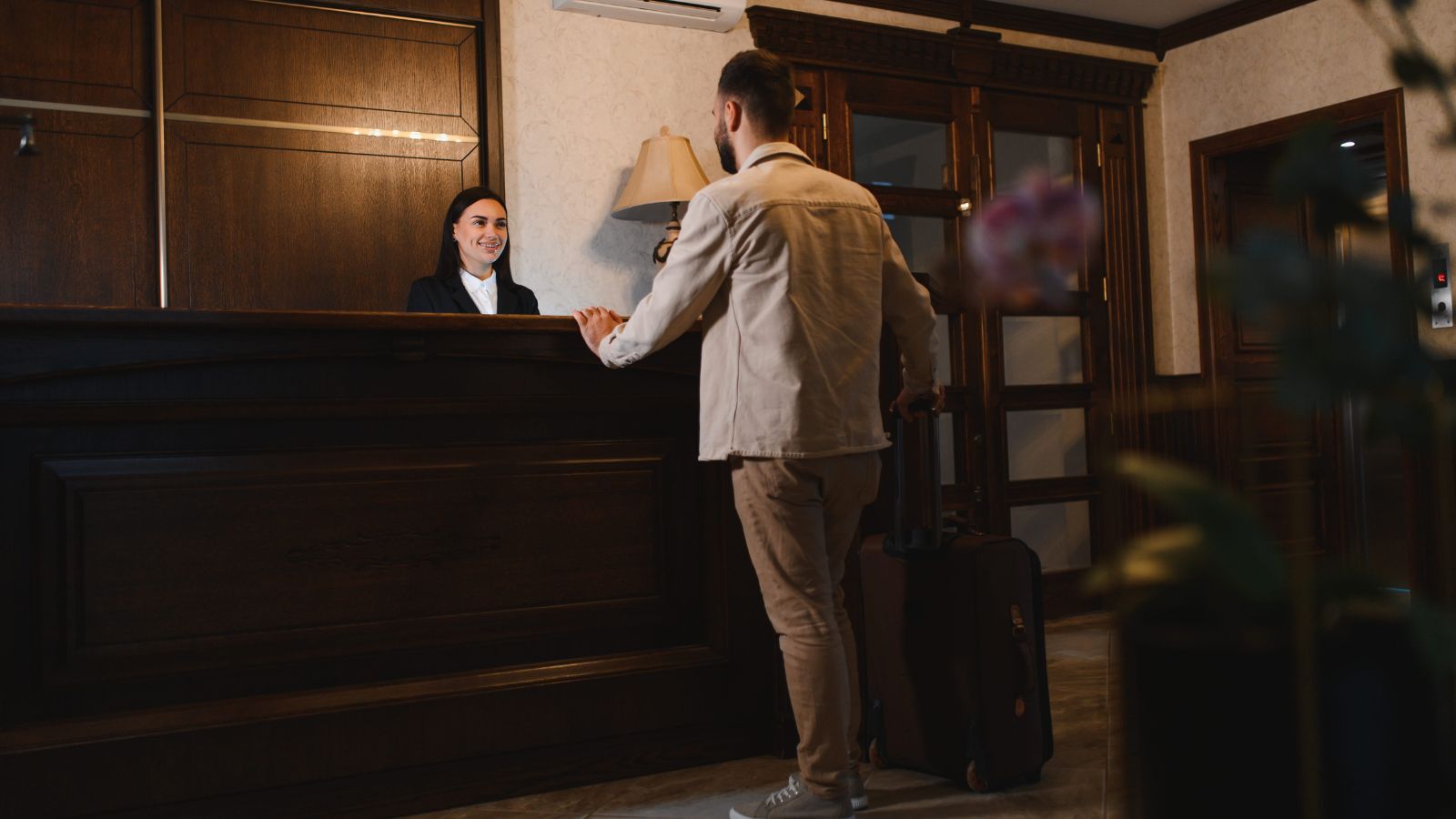
Hotel teams know their property and the surrounding area in detail. They understand which rooms are quieter, which amenities are less crowded, and which local spots are worth visiting at certain times of day. This knowledge is not always shared unless it is requested.
When guests ask for recommendations, the response often goes beyond directions. Staff may suggest a quieter breakfast window, a better route to avoid traffic, or a nearby restaurant that matches your preferences. The guidance feels tailored.
In busy destinations like Barcelona or Tokyo, this insight can save time and improve the overall experience. Instead of relying only on popular listings, travelers gain access to practical, on-the-ground advice.

Service naturally becomes more attentive. A simple question opens the door to better communication. Staff are more likely to remember the guest, understand their needs, and offer helpful suggestions throughout the stay.
The interaction feels more engaged. This approach also makes problem-solving easier.
If something needs adjustment, like a room preference, timing, or a small issue, the guests who have already established a positive interaction often find solutions come more smoothly. The conversation starts from a place of cooperation.

The benefit is consistent. Experienced travelers treat hotel staff as a resource, not just a point of contact. A short conversation at the start can shape the entire stay in subtle but meaningful ways.
The question itself is simple. But it signals openness, respect, and interest.
And those small signals often lead to better service, better recommendations, and a more comfortable overall experience, from the moment you check in to the moment you leave.
