The Overlooked Booking Detail That Can Change Your Entire Hotel Stay
Booking a hotel often feels straightforward. We compare prices, scan photos, and check the location on a map. If everything looks right, the decision feels easy.
But one important detail is often missed. The exact room type and location within the hotel.
Many listings show general room categories, but not all rooms in the same category offer the same experience. Two standard rooms can feel completely different depending on where they are placed in the building.
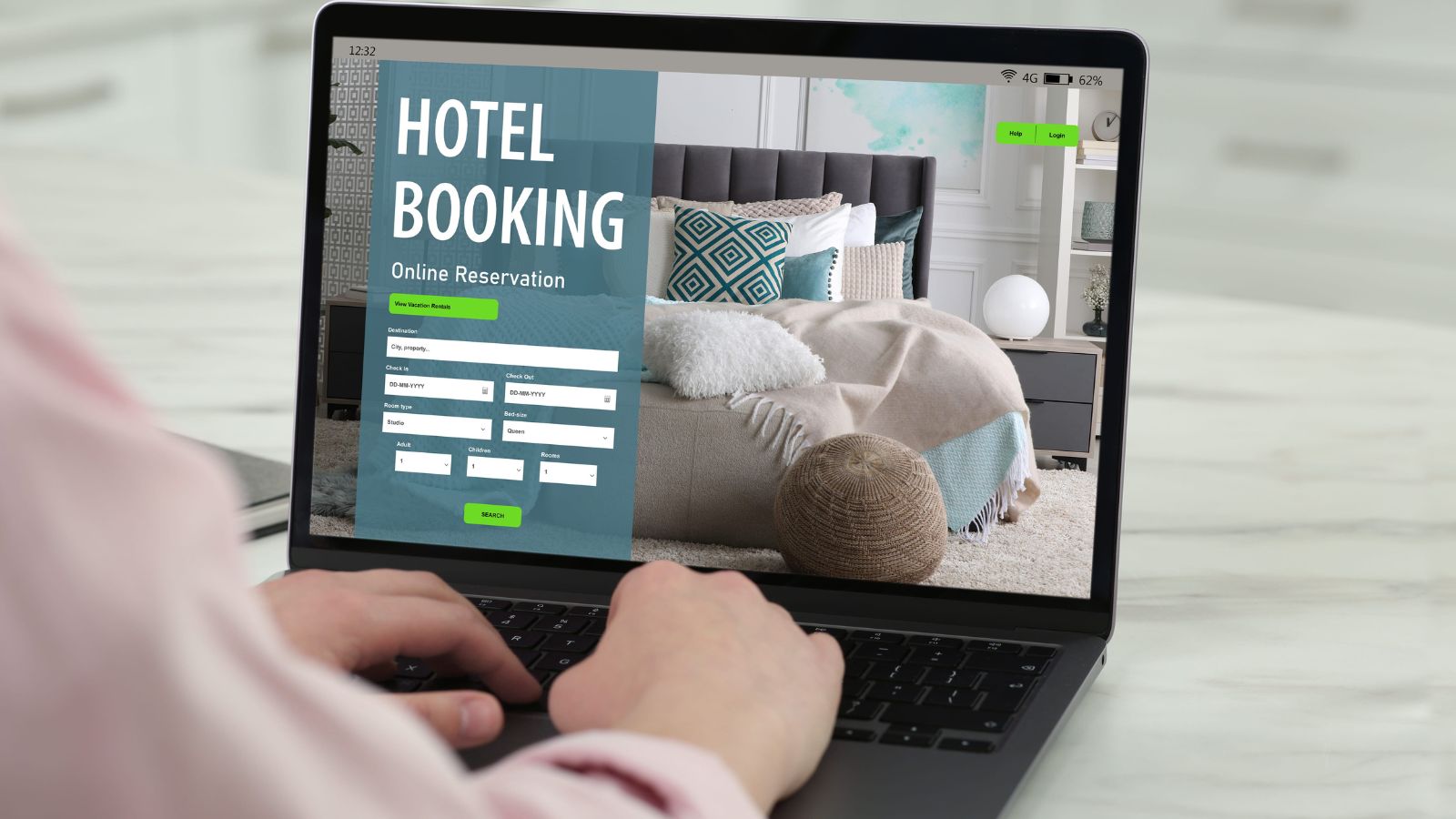
That difference becomes clear at night. Rooms near elevators, service areas, or busy corridors tend to experience more noise. Foot traffic, doors opening and closing, and elevator movement can interrupt sleep without warning.
Even small sounds add up over time. The direction a room faces also matters. Street-facing rooms can bring in traffic, nightlife, and early morning activity. In active cities like New York City or Barcelona, this can continue late into the night.
Interior-facing or courtyard rooms often provide a quieter alternative. Floor level plays a role as well. Lower floors may be closer to street noise and public areas, while higher floors tend to feel more removed from the activity below.

These details rarely appear clearly during booking. That is why experienced travelers take one extra step. After reserving a room, they contact the hotel or make a note in the booking request. Asking for a quiet room away from elevators and high-traffic areas can significantly improve the stay.
Most hotels try to accommodate these requests when possible. This small action often goes unnoticed by many guests.
Instead, attention goes to upgrades, views, or added amenities. While those features can enhance a stay, they often matter less than consistent, uninterrupted rest.
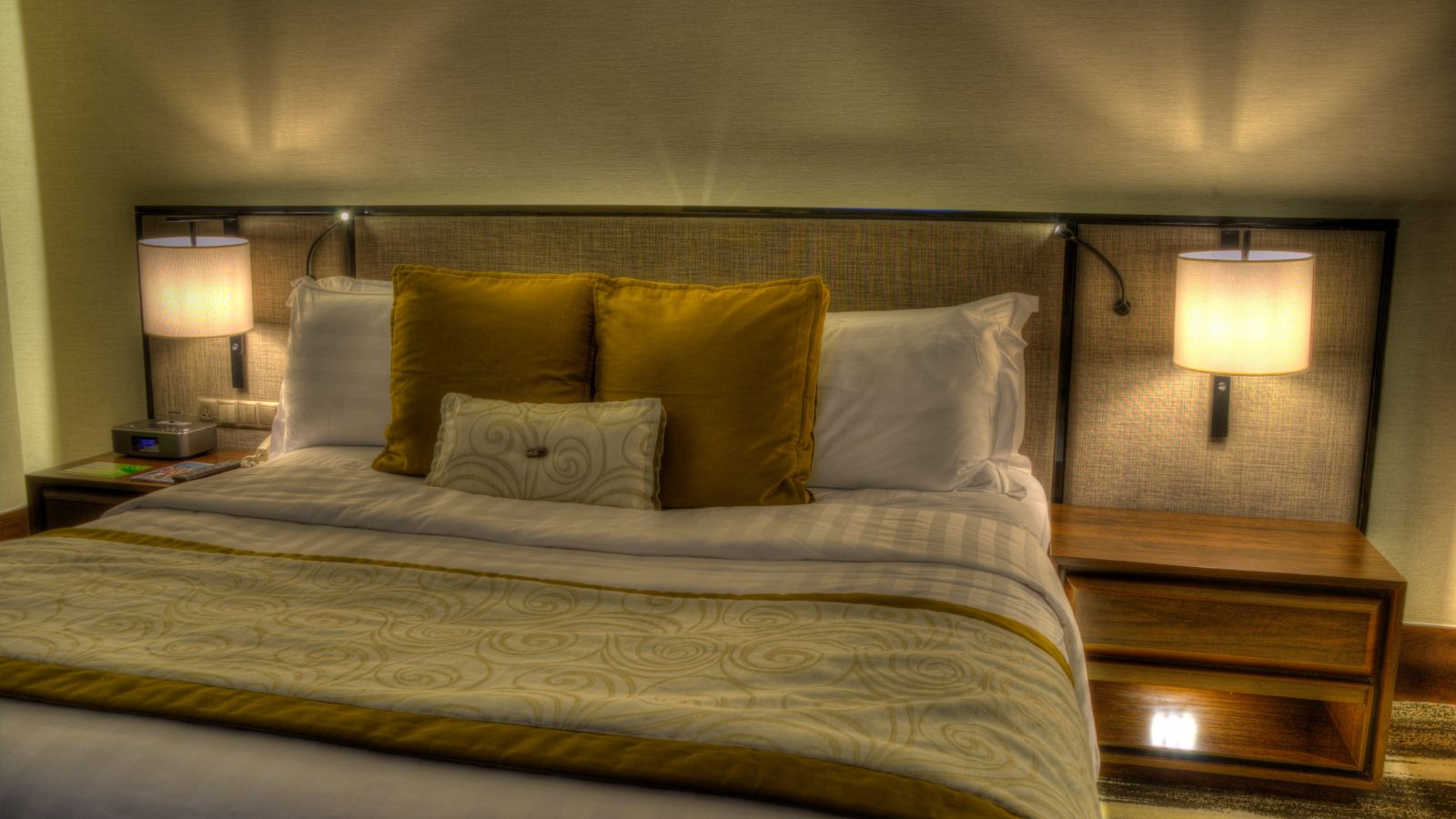
A well-located room within the hotel supports that. Better sleep leads to better energy. Mornings feel easier. Long days of exploring feel more manageable. The entire trip benefits from a restful environment.
The booking process focuses heavily on what is visible.
Photos, pricing, and location are easy to compare. But the most important detail is often the one that is not immediately seen.
Where the room is placed inside the hotel. Noticing that detail—and acting on it—can quietly turn a good stay into a far more comfortable one.
