The Passenger Habit Flight Crews Rely On for a More Comfortable and Efficient Flight
A flight can be delayed, smoothed out, or quietly saved before the engines even start. We see it every day. While weather and logistics matter, one passenger habit consistently shapes how comfortable and efficient a flight becomes: awareness of shared space.
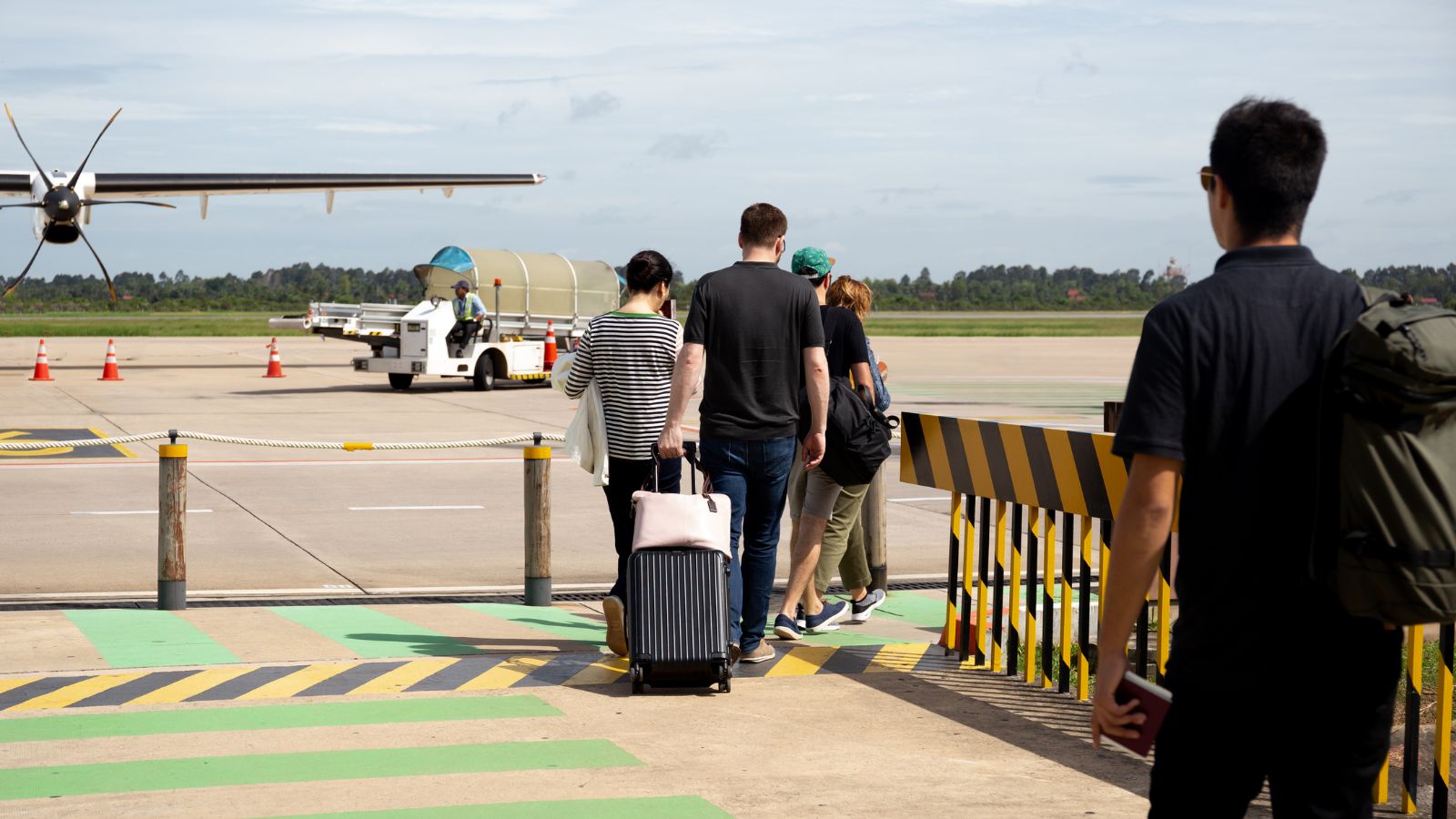
This habit shows itself the moment boarding begins. When passengers move with awareness—checking seat numbers before stepping into the aisle, lifting bags smoothly, and avoiding sudden stops—boarding flows faster. The aisle stays clearer. Stress levels remain lower. These are not small wins. Boarding is the most compressed and time-sensitive phase of any flight.
We notice how quickly congestion builds when awareness drops. A passenger stopping abruptly to reorganize a bag or blocking the aisle while searching overhead bins creates a chain reaction. Several rows stall. Tension rises. Departure timing becomes harder to protect. These delays are rarely dramatic, but they add up.
Shared-space awareness continues after passengers are seated. Those who keep essentials accessible reduce repeated standing and aisle traffic. Passengers who notice when carts are approaching or when seatmates need to exit help maintain predictable movement in the cabin. This predictability matters. It allows crews to complete safety checks, assist passengers efficiently, and prepare for departure without constant interruption.
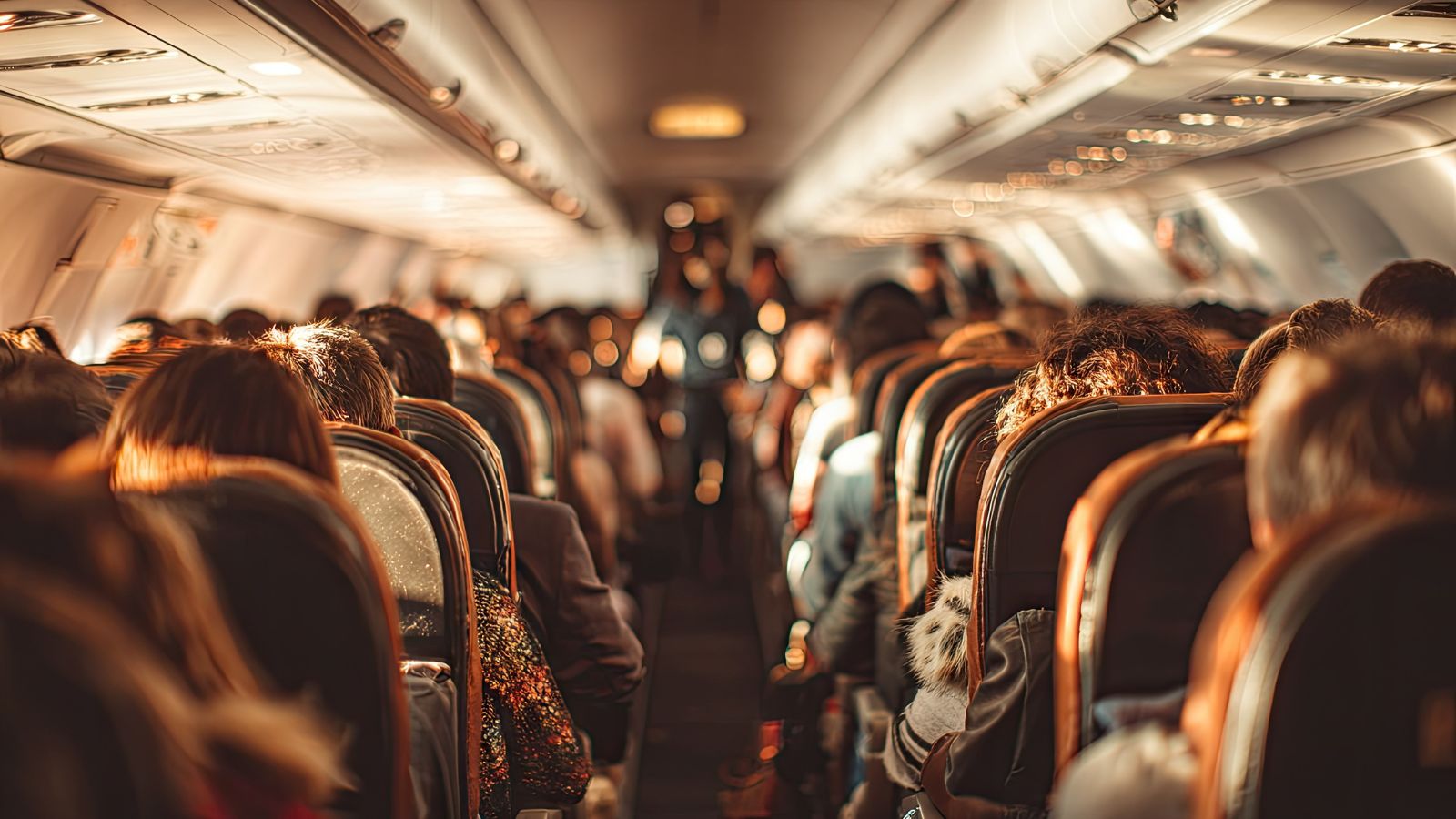
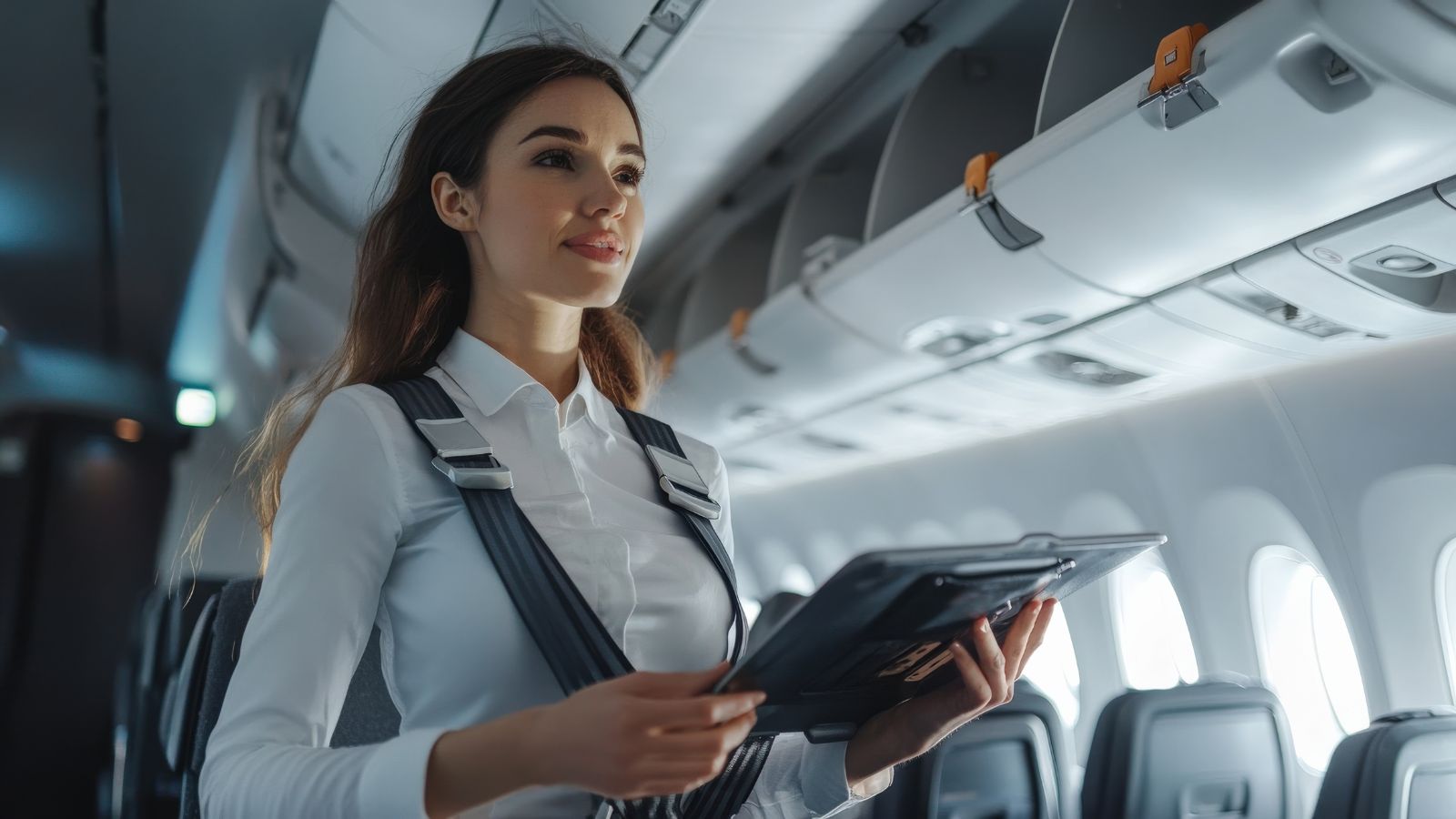
From a crew perspective, awareness is not about manners alone. It directly affects safety and operations. Clear aisles reduce tripping hazards. Predictable movement allows us to monitor the cabin more effectively. Efficient boarding gives crews more time to address individual needs before takeoff.
This habit also shapes how passengers experience one another. Flights feel less crowded when people anticipate rather than react. Small pauses, brief eye contact, and waiting an extra second before moving prevent unnecessary friction. In a confined space, cooperation matters more than speed.
The most important point is that this habit does not require frequent-flyer status. It is not about knowing airline rules by heart. It is about slowing down slightly and noticing the shared environment. Boarding is not a race. Settling in does not need to be rushed.
When passengers move with awareness, flights run more comfortably and efficiently for everyone onboard. Crews can focus on safety and service. Stress stays lower. The cabin feels calmer from gate to landing. That is why this single habit remains the one we rely on most—long before the aircraft ever leaves the ground.
