The Quiet Drawback of Boarding a Plane Too Early
Many travelers rush to board the moment their group is called. The thinking feels logical. Earlier seat. Earlier comfort. A head start on the flight. What often goes unnoticed is that boarding early rarely delivers the comfort people expect.
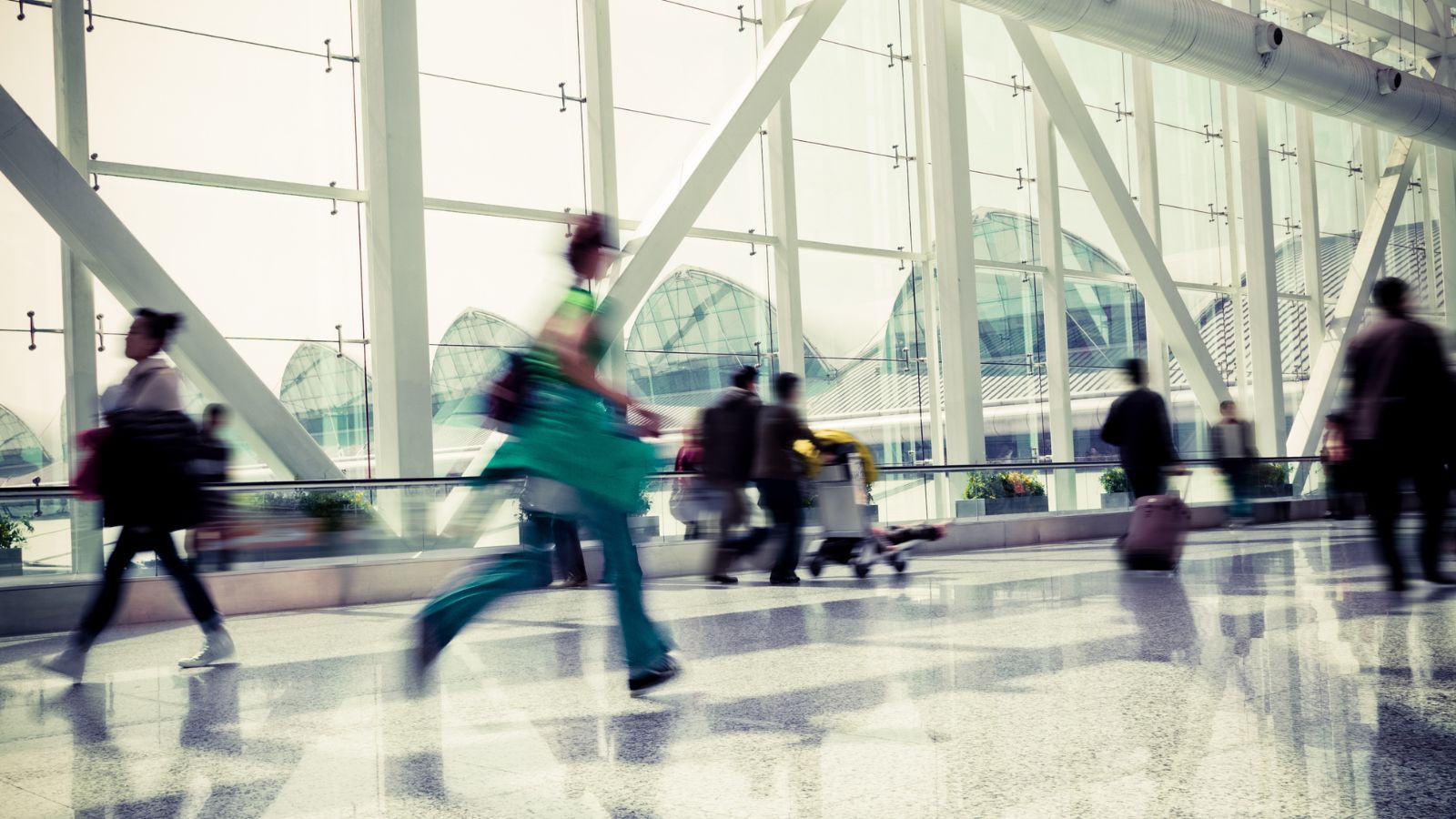
Boarding early means committing to more time in a confined space before the plane even moves. While boarding continues, the cabin stays active. Aisles remain crowded. Bags are lifted, lowered, and shifted. Temperatures change as doors stay open. For many passengers, this extended waiting period becomes the least comfortable part of the trip.
We consistently observe that early boarding reduces comfort by increasing exposure to disruption. Once seated, passengers must remain still while others move past, search for overhead space, and adjust themselves. Noise builds. Movement continues. Boarding later often allows travelers to step into a quieter cabin where most passengers are already settled.
Overhead bin access is the main reason travelers line up early. In practice, it matters less than expected. Airlines now manage bin space through boarding groups, and storage fills more evenly than it once did. Passengers carrying smaller or lighter bags often gain no real advantage by boarding first.
Physical comfort is also affected by timing. Remaining seated longer before takeoff increases stiffness and restlessness, especially on short flights where total travel time is limited. Boarding closer to departure allows passengers to stay mobile longer. That simple shift often leads to a more comfortable flight once airborne.
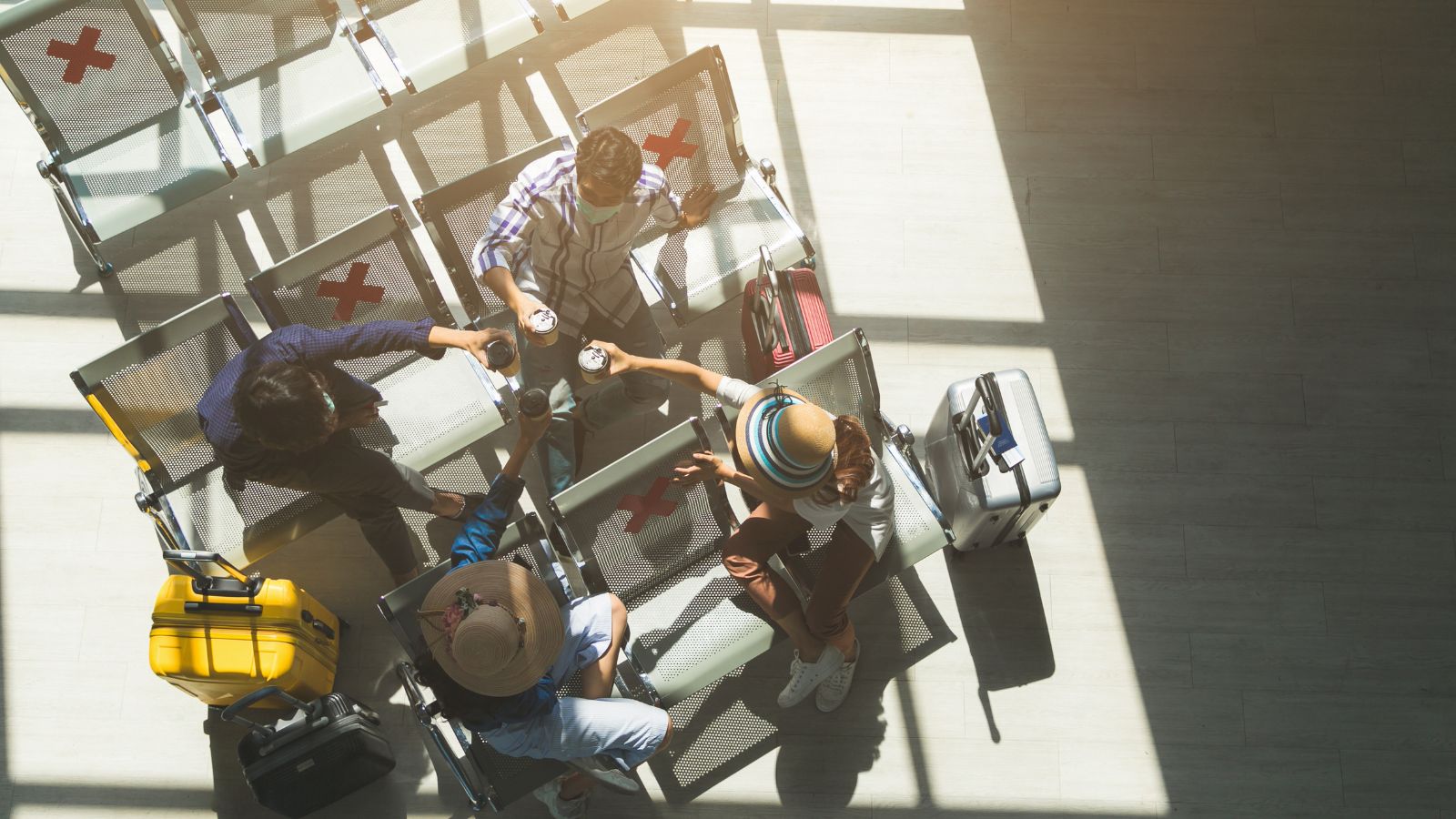
Early boarding does serve a purpose in specific situations. We recommend it for passengers who need extra assistance, those traveling with infants, or travelers carrying fragile items. In these cases, additional time supports safety and ease. Outside of these needs, early boarding often adds strain rather than reducing it.
For most travelers, boarding early is a habit, not a benefit. Comfort is not about being first. It is about reducing unnecessary waiting and limiting exposure to crowding.
We encourage travelers to view boarding as a timing choice rather than a competition. Less idle time often means less fatigue. Fewer interruptions often mean a calmer start.
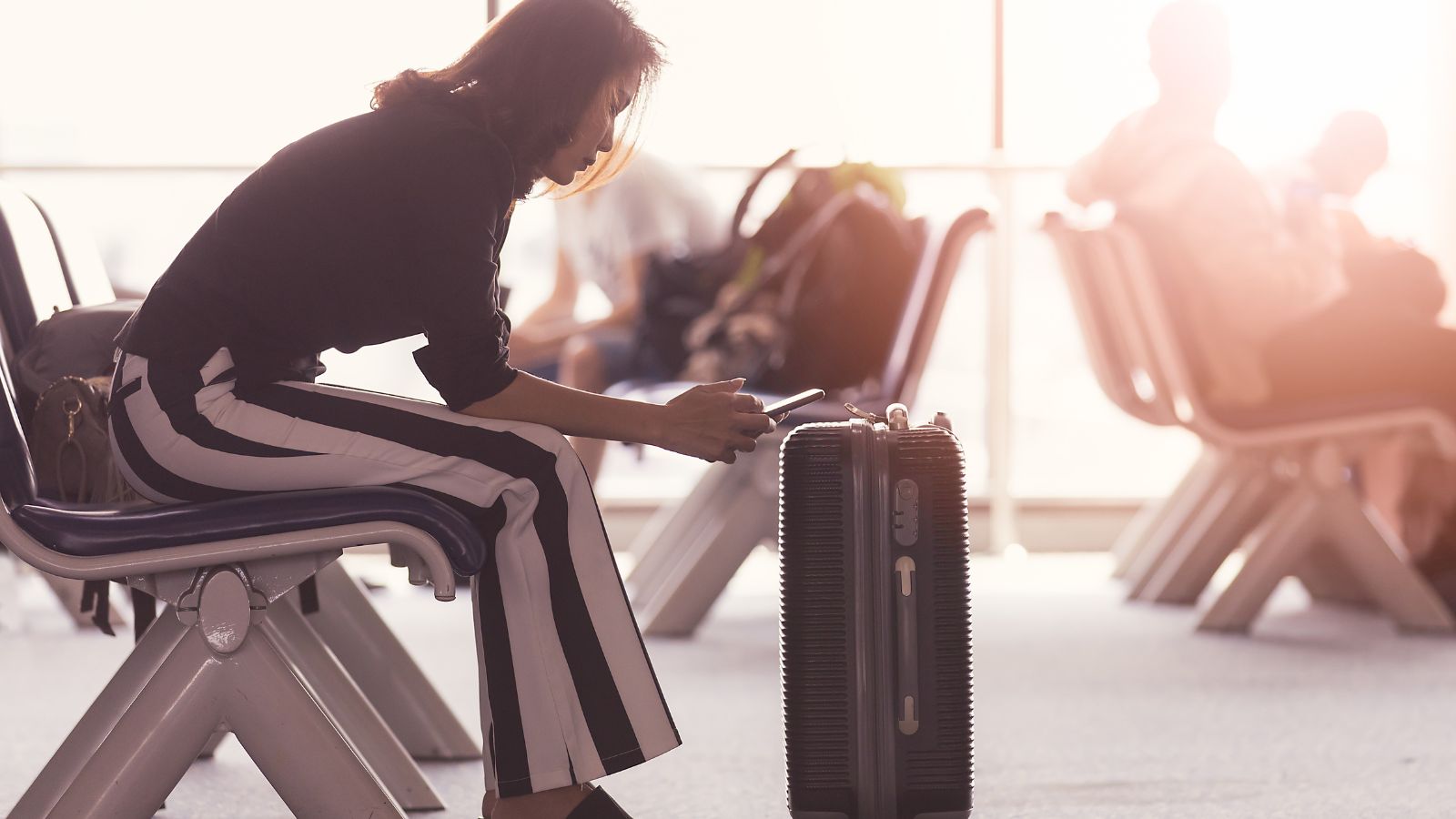
In the end, the best flights rarely begin at the front of the line. They begin with choosing the moment that fits your body, your bags, and your tolerance for waiting. Sometimes, the smartest move is letting the rush pass and boarding when the cabin is ready.
