The Simple Habit That Helps Travelers Adjust Faster to New Places
Arriving somewhere new is exciting, but it can also feel disorienting. Different sounds, unfamiliar streets, a new language, and a change in routine can leave us feeling slightly out of step, especially in the first day or two. While we often focus on packing the right gear or planning the perfect itinerary, one simple habit can make a bigger difference than we expect: taking a short walk soon after we arrive.
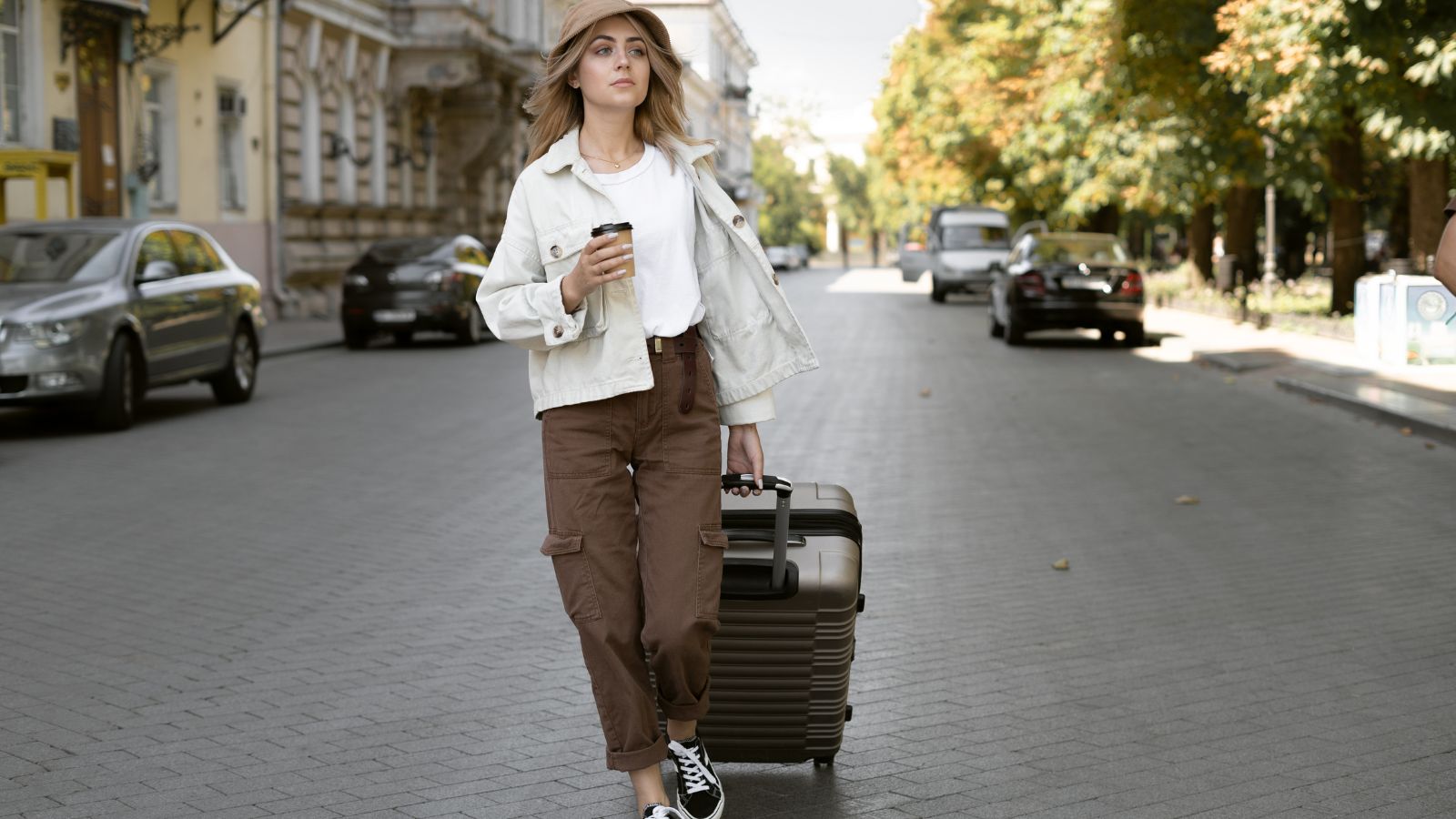
It sounds almost too easy, but stepping outside and moving through the neighborhood on foot helps us adjust faster than staying indoors or immediately diving into a packed schedule. A walk gives us a gentle introduction to our surroundings without pressure. We notice how busy the streets feel, where people gather, and what everyday life looks like beyond the main attractions.
This first walk isn’t about sightseeing in the traditional sense. We’re not trying to check landmarks off a list. Instead, we’re letting our senses catch up. We hear the rhythm of traffic, pick up on local manners, and start recognizing visual cues like grocery stores, cafés, transit stops, and pharmacies. These small observations quietly build our confidence, making the place feel less foreign and more navigable.
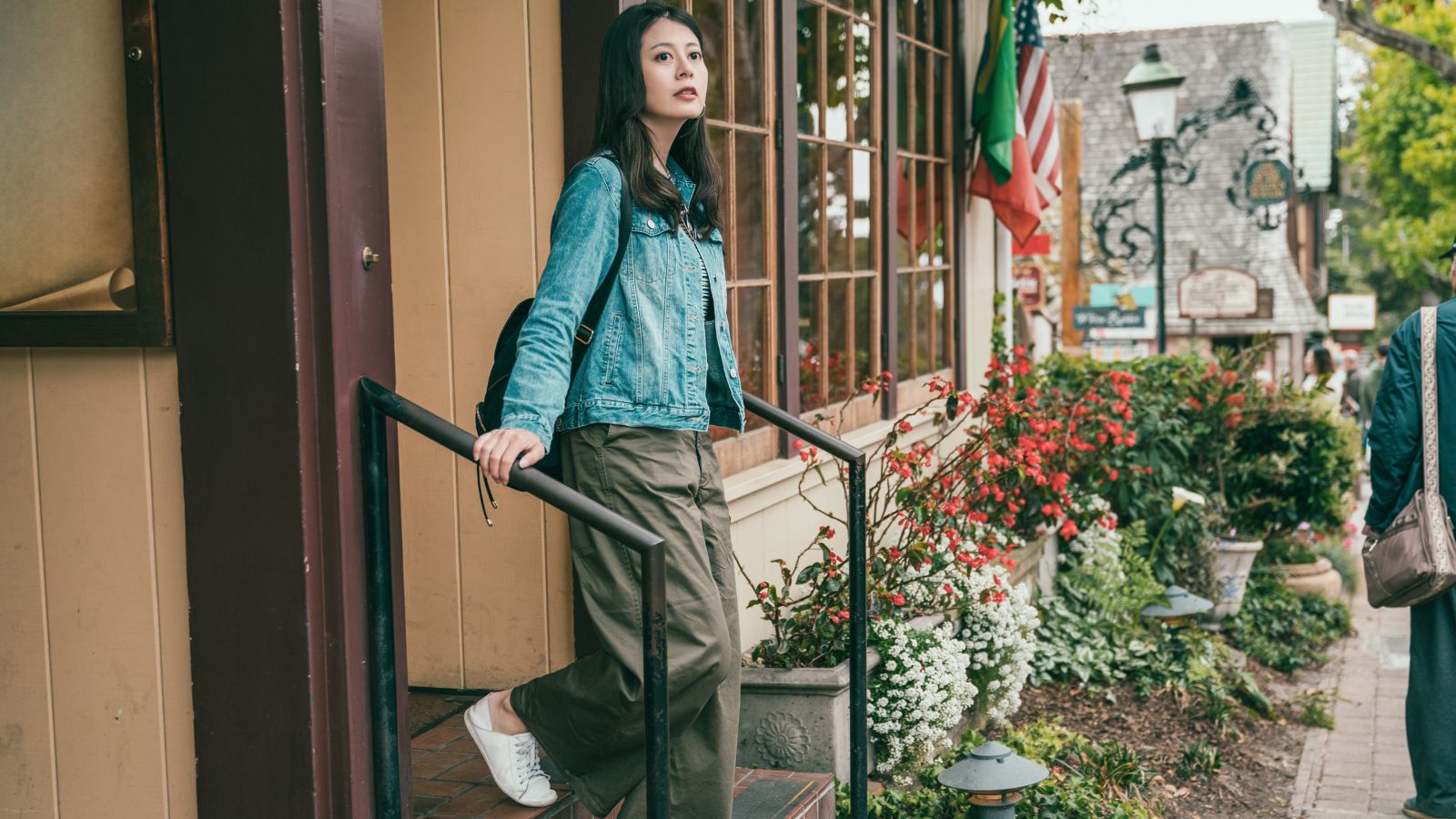
There’s also a physical benefit. Travel often involves long periods of sitting — on planes, buses, or in cars. A light walk helps shake off stiffness and signals to our bodies that we’ve arrived somewhere new. If we’ve crossed time zones, natural light and gentle movement can help reset our internal clocks, making it easier to adjust to a new schedule.
Just as importantly, walking lowers the mental pressure we sometimes put on the first day. Instead of feeling like we have to start the trip with a major attraction, we give ourselves permission to ease in. That relaxed beginning can shape the tone of the entire visit. We’re less rushed, more observant, and more open to small discoveries.

By the time we return to our hotel or rental, the map in our heads is already forming. Streets feel more familiar. Distances make more sense. We may even have spotted a place we want to return to later. That simple loop around the area becomes a foundation for the rest of the trip.
Adjusting to a new place doesn’t always require a complicated strategy. Sometimes, it starts with putting one foot in front of the other and letting the destination slowly introduce itself to us.
