The Small Courtesies in Japan That Make a Big Difference for Visitors
Japan often feels remarkably smooth to travel through. Trains run on time, streets are clean, and public spaces stay calm even in busy cities like Tokyo and Kyoto. What many visitors do not immediately see is that this ease is supported by countless small courtesies people follow every day. For travelers, understanding these unspoken habits can make the difference between blending in respectfully and standing out for the wrong reasons.
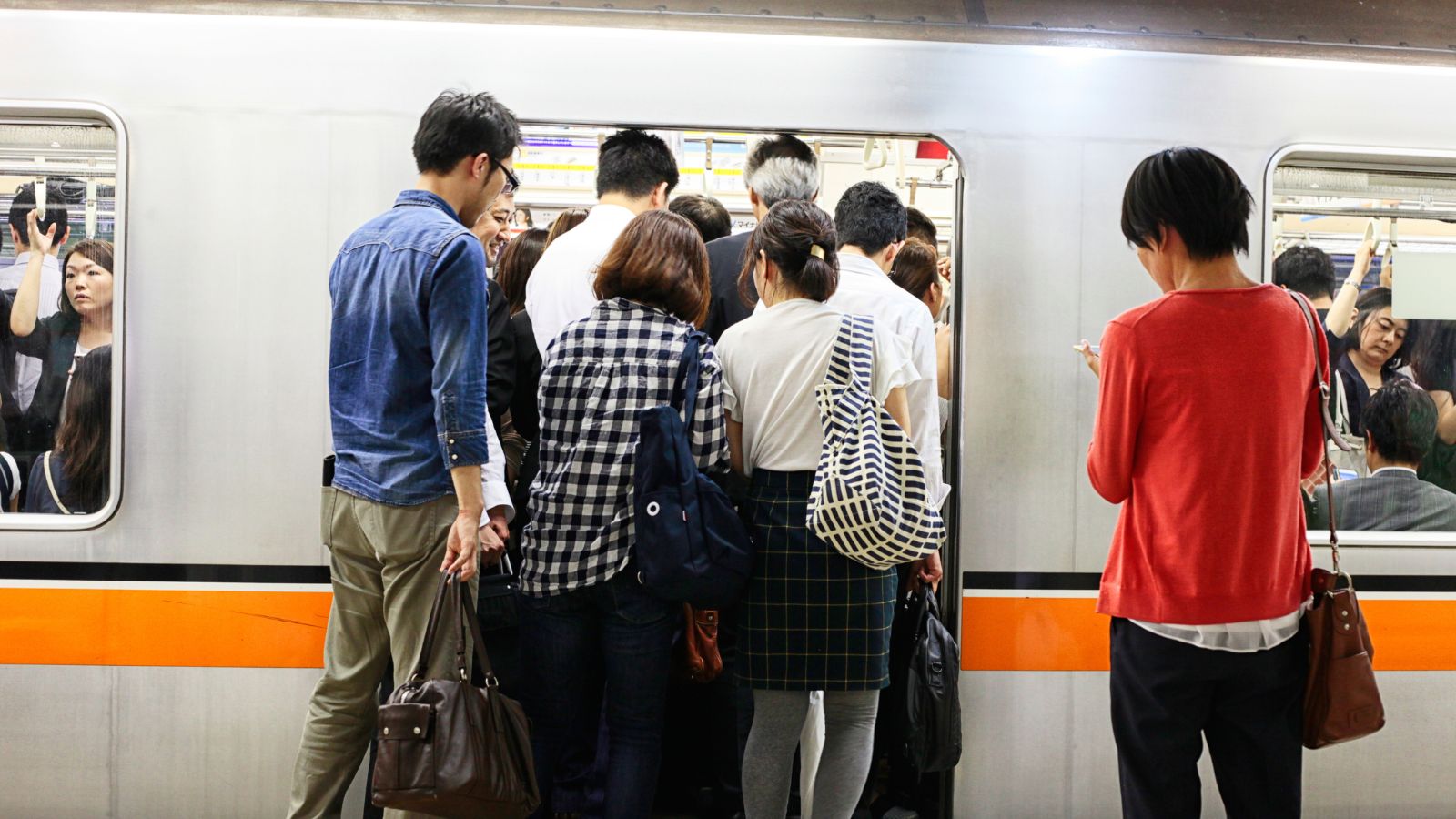
The key idea is simple: consideration for others’ shared space. In Japan, public areas are treated almost like extensions of the home. That mindset shapes everyday behavior in ways that may be subtle but deeply valued.
One example is noise. On trains and buses, conversations are kept quiet, and phone calls are avoided altogether. Even in crowded carriages, the atmosphere stays subdued. When we lower our voices and silence notifications, we are not just being polite, we are matching a social norm that prioritizes collective comfort.
Queueing is another small but meaningful courtesy. Whether waiting for a train, an elevator, or a shop counter, people line up neatly and respect order. Stepping ahead, even unintentionally, can feel jarring in a culture where fairness in shared spaces is taken seriously.
Handling trash is also part of this shared responsibility. Public trash bins are limited, so people often carry their waste with them until they find a proper place to dispose of it. Holding onto a wrapper instead of leaving it behind shows awareness of the effort that goes into keeping public spaces clean.
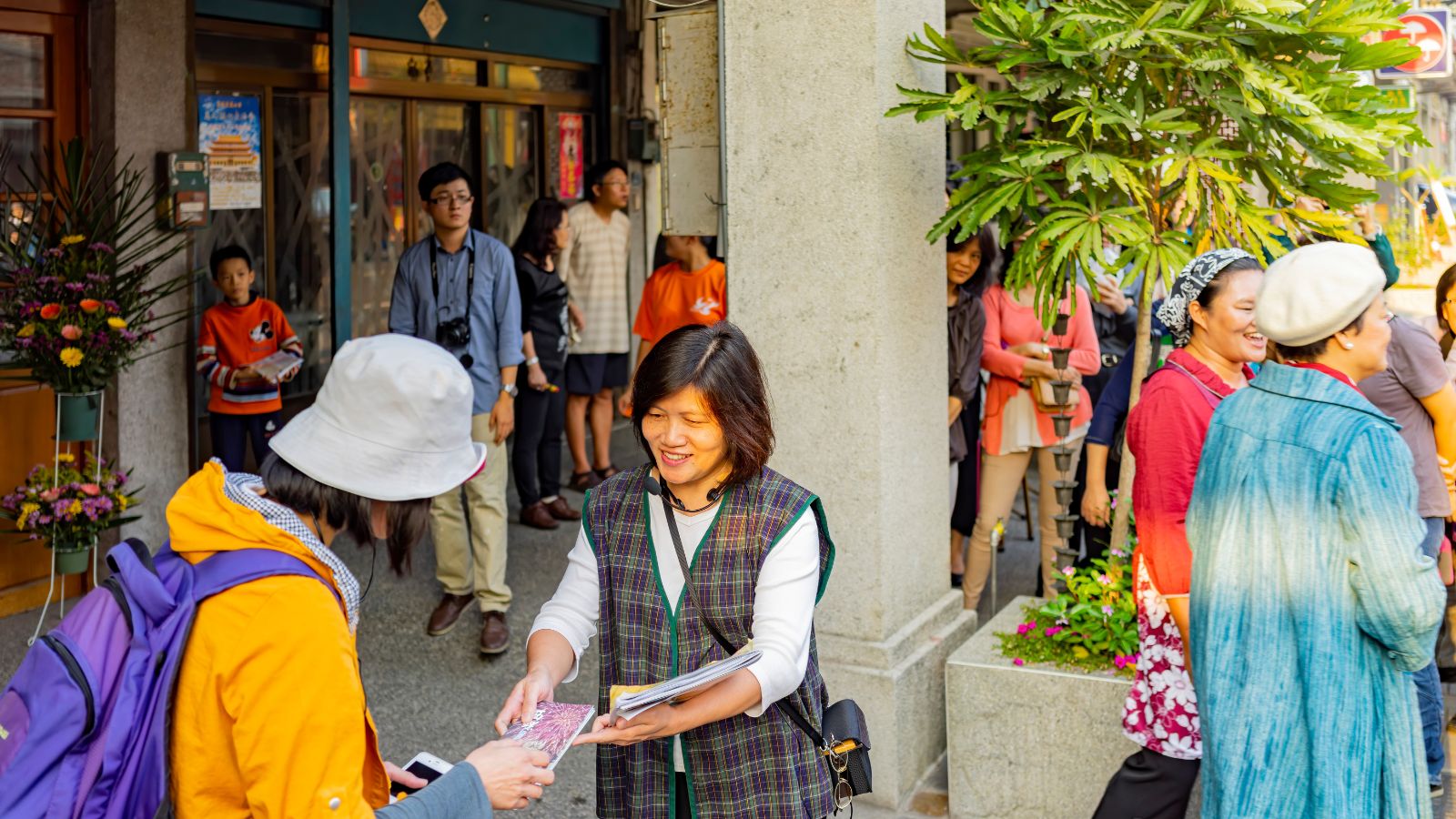
Shoes come off in many indoor settings, from traditional accommodations to some restaurants and temples. This is not just about cleanliness, but respect for the space itself. Paying attention to signs or observing what others do helps us avoid awkward moments.
None of these courtesies are complicated. Yet together, they help explain why public life in Japan feels orderly and calm. When we follow these small practices, we contribute to that atmosphere instead of disrupting it.
The little courtesies in Japan matter because they reflect a shared understanding: our actions affect everyone around us. Remembering this helps us travel more respectfully and ensures our presence adds to, rather than detracts from, the experience of being there.
