The Travel Situations That Help Couples Understand Each Other Better
Travel places couples in situations that everyday life rarely creates. Familiar routines disappear. Plans shift quickly. Decisions must be made together throughout the day.
In these moments, people reveal how they naturally respond to the world. Small travel situations often say more about a person than long conversations at home. A delayed train, a missed turn, or an unexpected change in weather quickly shows how someone handles stress. One partner may stay calm and adapt easily. Another may feel anxious until a new plan is clear.

Neither reaction is unusual. But seeing these responses in real time helps couples understand how each other navigates uncertainty. Travel compresses these learning moments into a short period, making personality traits more visible.
Decision-making is another revealing situation. A destination like Venice or Lisbon offers endless choices each day. Museums, viewpoints, cafés, and neighborhoods compete for attention. Couples quickly learn how the other prefers to decide. Some people enjoy structured plans. Others prefer wandering without an agenda.
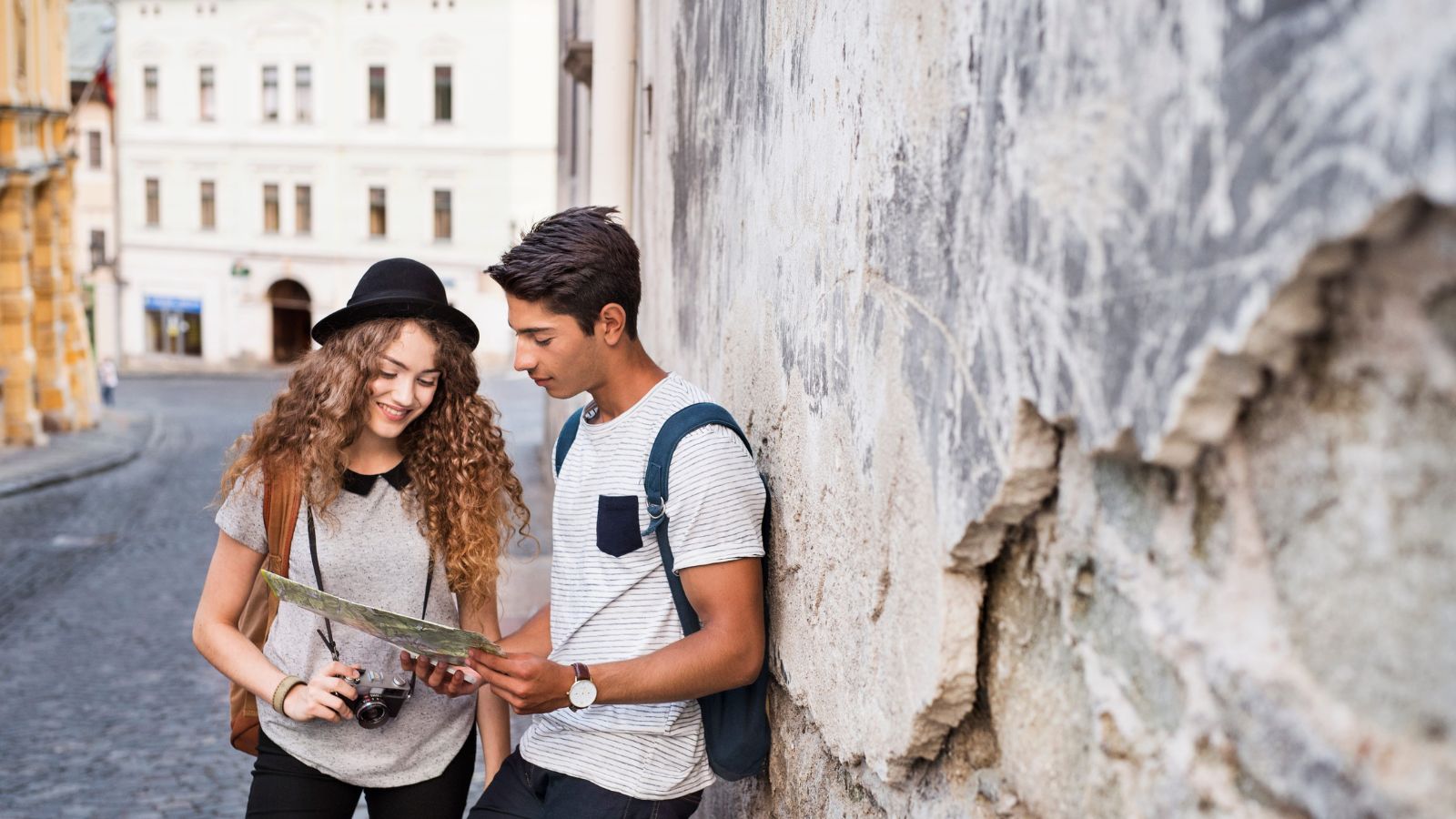
Travel also highlights differences in energy and pace. One partner may be ready to explore early in the morning. The other may enjoy slower mornings and relaxed afternoons. Over several days, couples begin to notice how each person manages energy during busy travel days.
Meals reveal another layer of personality. Trying unfamiliar food requires curiosity and openness. One person may enthusiastically order local specialties. The other may prefer familiar dishes while gradually exploring new options. These small choices often lead to conversations about comfort, adventure, and preference.
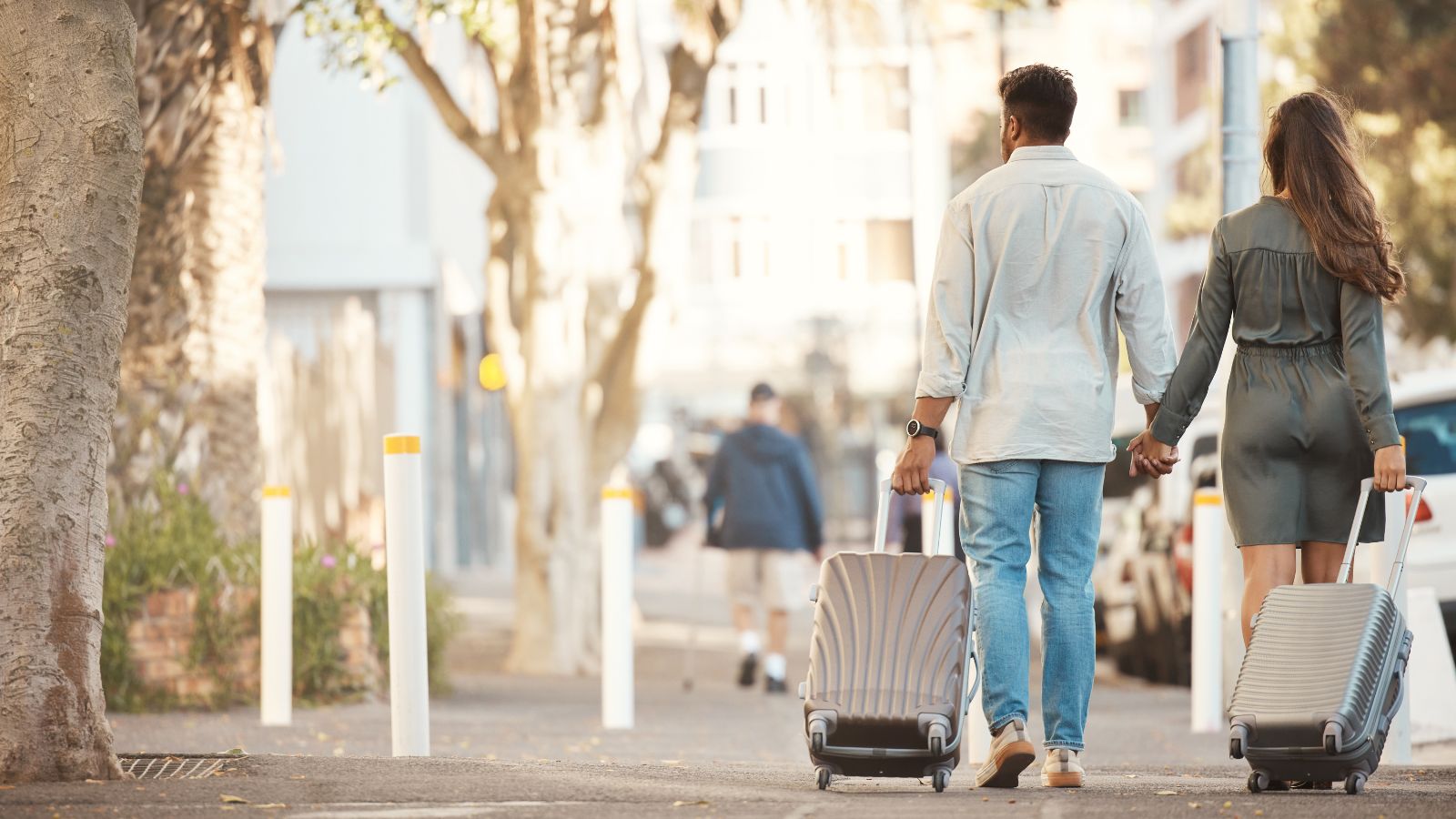
Even navigation becomes a shared learning experience. Walking through unfamiliar streets requires cooperation. One partner may instinctively take the lead with directions. The other may focus on observing the surroundings. Together, they create a rhythm that helps the trip move smoothly.
What makes travel valuable is not simply the destination. It is the way shared experiences reveal habits, strengths, and perspectives that daily routines rarely expose. These insights help couples understand how each person approaches challenges, choices, and surprises.
Most of the time, the discoveries are small. But they accumulate throughout the trip.
By the time the journey ends, couples often return home with more than photos and souvenirs. They carry a deeper understanding of how the other thinks, reacts, and adapts. And that understanding can strengthen the relationship long after the trip is over.
