The Unexpected Reason Some Travelers Can’t Use Their Cards Overseas
Using a credit or debit card while traveling can feel almost automatic. We tap or insert, wait for the approval, and move on with our day. That’s why it can be so unsettling when a card that works perfectly at home is suddenly declined overseas. According to financial experts, one of the most common reasons isn’t fraud or a technical glitch, it’s a security system doing exactly what it was designed to do.
Banks and card issuers use fraud detection tools that monitor spending patterns in real time. If a purchase suddenly appears in another country without any prior travel notice on the account, the system may flag it as suspicious. From the bank’s perspective, a charge in a foreign city can look like a stolen card being used far from home. To protect us, the issuer may temporarily block transactions until they can confirm the activity is legitimate.
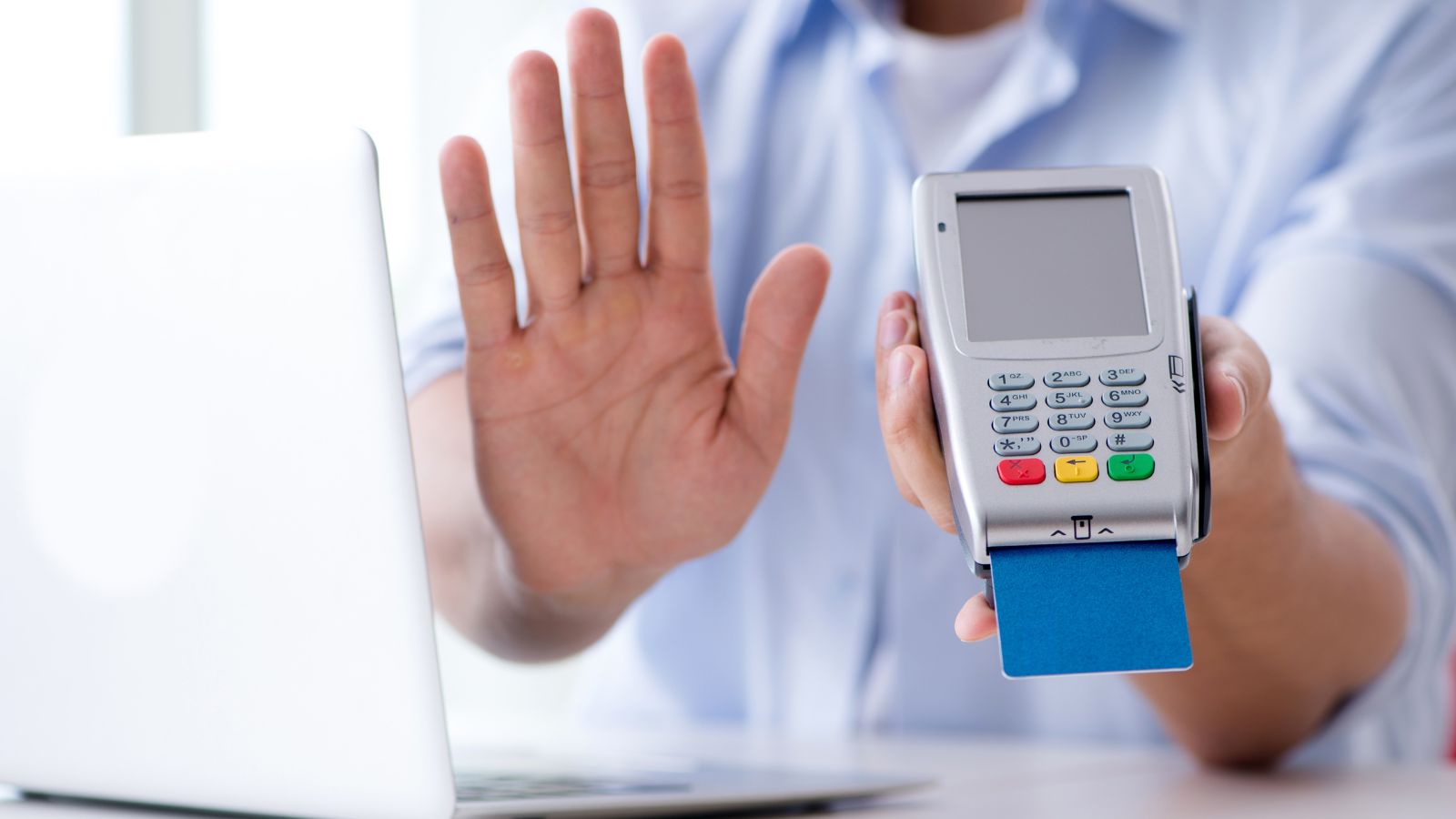
The timing is what catches many travelers off guard. We may land after a long flight, head straight to a café, taxi stand, or hotel desk, and find our card declined. Without immediate access to Wi-Fi or cell service, contacting the bank can be difficult. What starts as a small inconvenience can quickly become stressful if we’re trying to pay for transportation, meals, or check-in.
This situation often happens because we forget to tell our bank we’re traveling. While some institutions no longer require formal travel notices, many still recommend them, especially for international trips. Updating contact information and enabling app alerts can also make it easier to respond quickly if a bank sends a fraud check message.
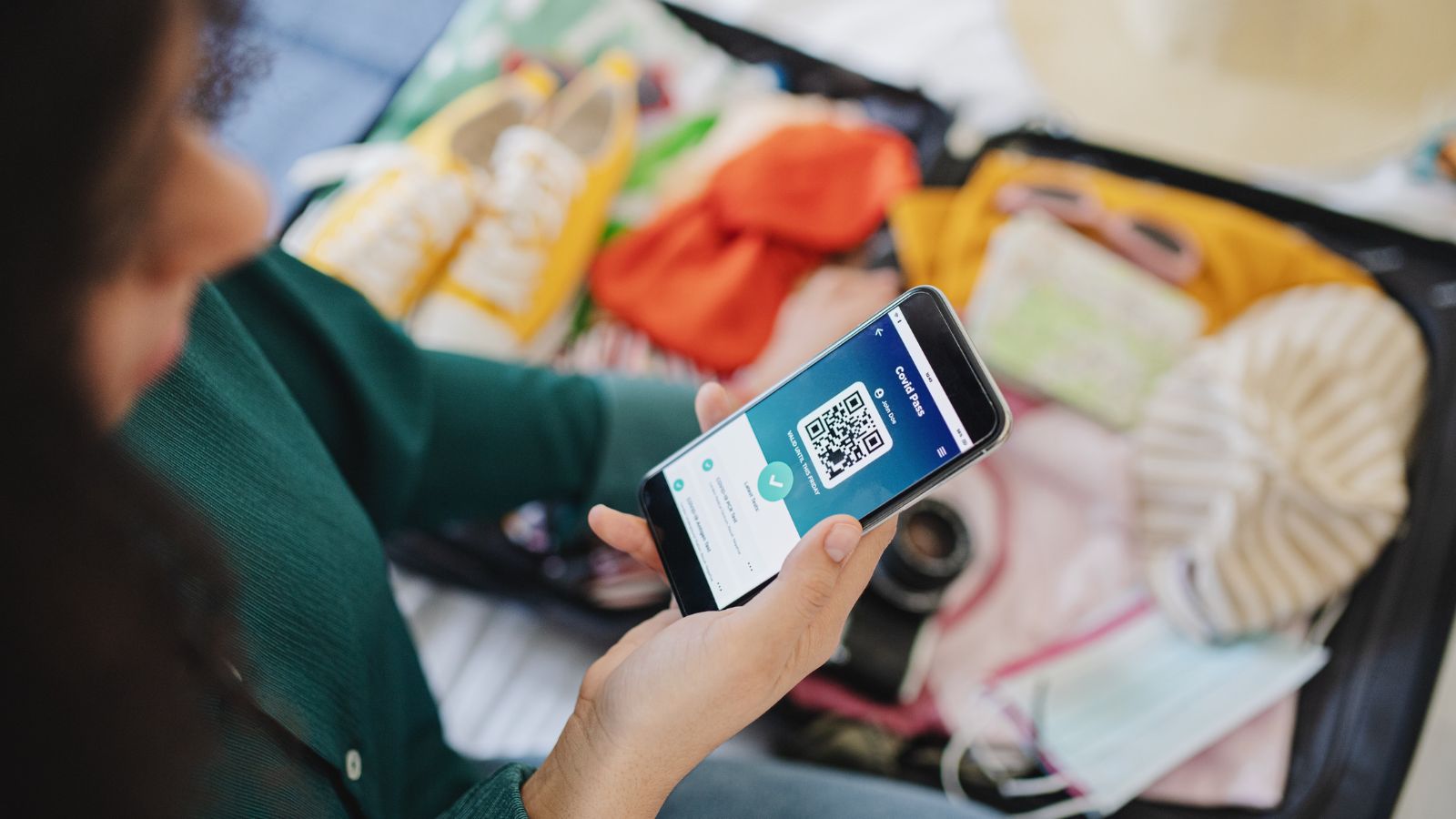
It’s important to remember that a declined card in this situation usually means our bank is trying to protect us, not create problems. Still, knowing how these systems work helps us avoid being caught off guard in an unfamiliar place.
Before we leave, we think it’s wise to notify our bank of travel dates and destinations, even if it’s optional. We recommend carrying a backup card and a small amount of local currency as well. These simple steps can help ensure that when we reach for our wallet abroad, our plans don’t come to a sudden stop at the payment terminal.
