The Way You Pace a Trip Changes Everything
Travel often begins with excitement and a long list of things to see. Famous landmarks, neighborhoods, museums, and restaurants quickly fill the itinerary. The goal feels simple, fit in as much as possible while the trip lasts.
Yet many travelers discover that the pace of the trip shapes the experience just as much as the destination itself. Slower travel creates a very different rhythm.
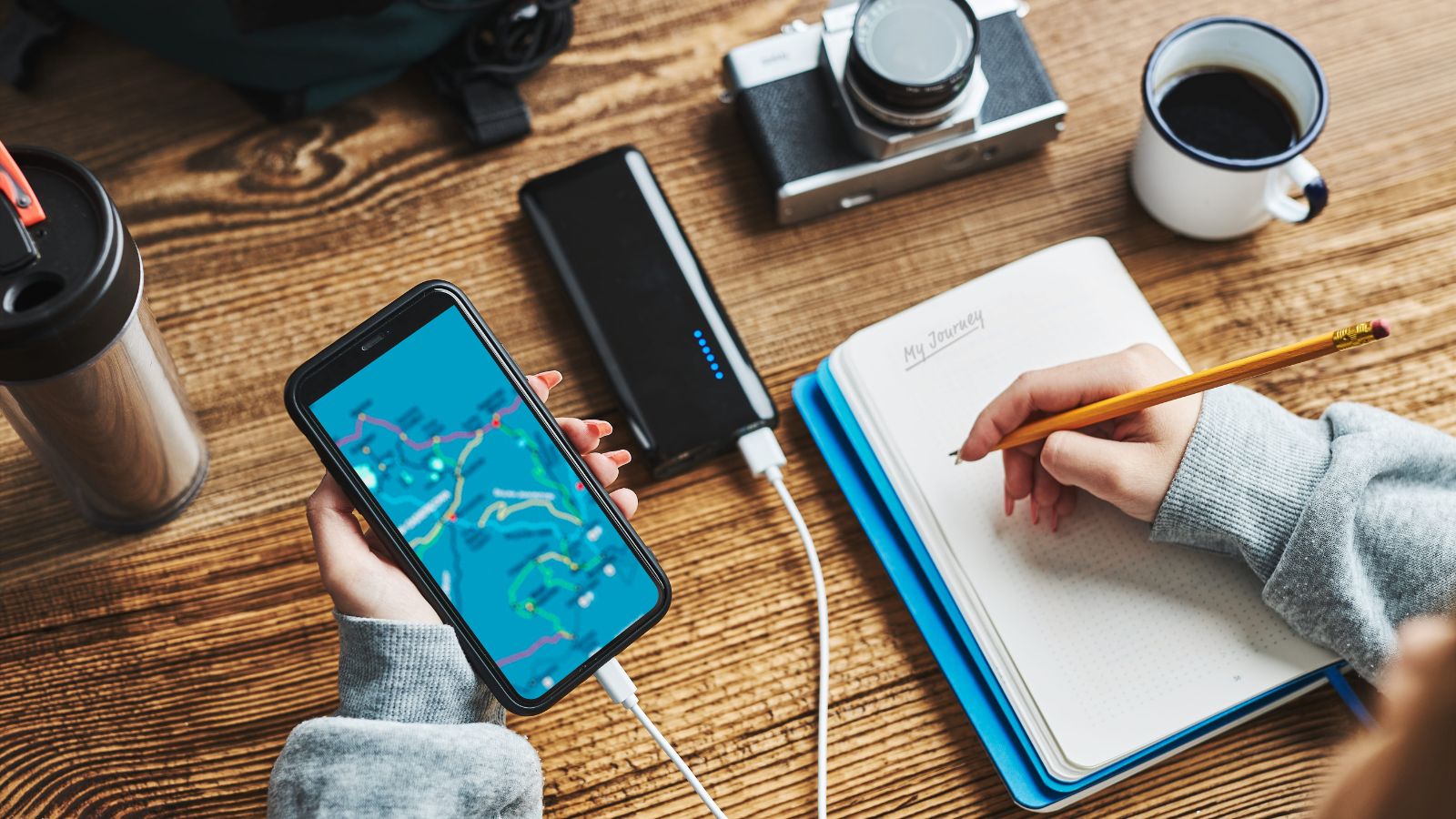
Instead of rushing between attractions, the day unfolds with more breathing room. Mornings start calmly. A museum visit can take as long as it deserves. Lunch becomes an experience rather than a quick stop between activities.
This shift changes how a place is absorbed. When travelers move slowly, they notice details that often disappear in a faster schedule. A quiet courtyard behind a busy street. The sound of conversations spilling out from a café. The way a neighborhood changes as the afternoon turns into evening.

These small observations gradually build a deeper connection to the destination. Cities especially reveal their character at a slower pace. In places like Florence or Barcelona, daily life revolves around outdoor cafés, neighborhood markets, and evening strolls. Travelers who slow down begin to move with that rhythm rather than against it.
The destination starts to feel less like a checklist and more like a living place. Energy also improves when the pace is relaxed. Exploring a city requires walking, navigating public transport, and constantly processing new surroundings. When activities are stacked too closely together, fatigue can quietly build.

A slower schedule prevents that. With time between plans, travelers rest, eat comfortably, and enjoy the journey rather than racing through it. The result is more curiosity and less exhaustion by the middle of the trip.
Slower travel also allows room for spontaneity. A bakery discovered while wandering. A small market happening in a nearby square. A restaurant recommendation from a local shop owner.
These moments rarely appear on a tightly packed itinerary. They appear when travelers have time to notice them.
Experienced travelers often plan just one or two key activities each day. The rest of the time is left open for walking, observing, and exploring. This simple structure keeps the trip purposeful while still allowing the day to evolve naturally.
The goal of travel is not speed. It is experience.
When the pace slows down, destinations begin to reveal more than their famous landmarks. They reveal their atmosphere, their rhythm, and the everyday life that gives a place its true character. And that change can transform the entire feeling of a trip.
