This Common Travel Item Is Illegal in Certain Countries
Packing for a trip often feels routine. We reach for everyday essentials without a second thought, assuming what is legal at home will be fine abroad. Yet one common travel item surprises many people at airport security and border crossings: certain over-the-counter medications.
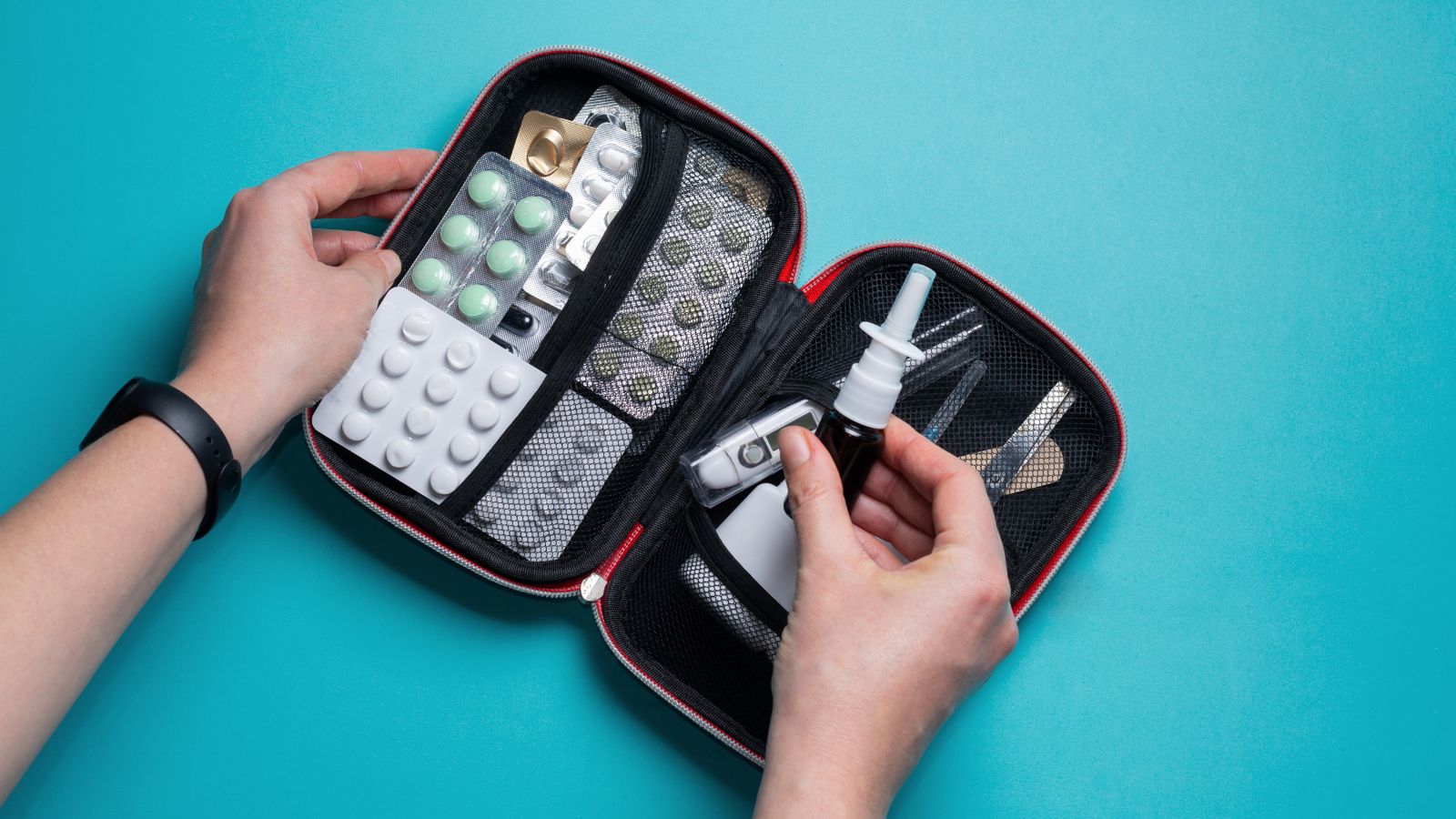
Cold and allergy remedies, pain relievers, and sleep aids are widely used and easy to buy in many countries. However, some of these medications contain ingredients that are restricted or banned elsewhere. Decongestants with pseudoephedrine, codeine-based painkillers, and certain strong sleep medications fall into this category. What feels like a basic health item in one place can be treated as a controlled substance in another.
The issue is not usually the medication itself, but the active ingredients. Drug laws vary widely, and some governments classify specific compounds as narcotics or tightly regulated substances. Travelers carrying these medicines without proper documentation can face confiscation, fines, or even legal trouble, depending on the destination and the amount involved.
This catches people off guard because the packaging looks harmless. A small box of cold tablets or a bottle of prescription pain relief does not feel like a legal risk. But border officials focus on ingredient lists, not brand familiarity. Even medications that are perfectly legal with a prescription at home may require additional paperwork, such as a doctor’s note or a translated prescription, to be carried legally abroad.
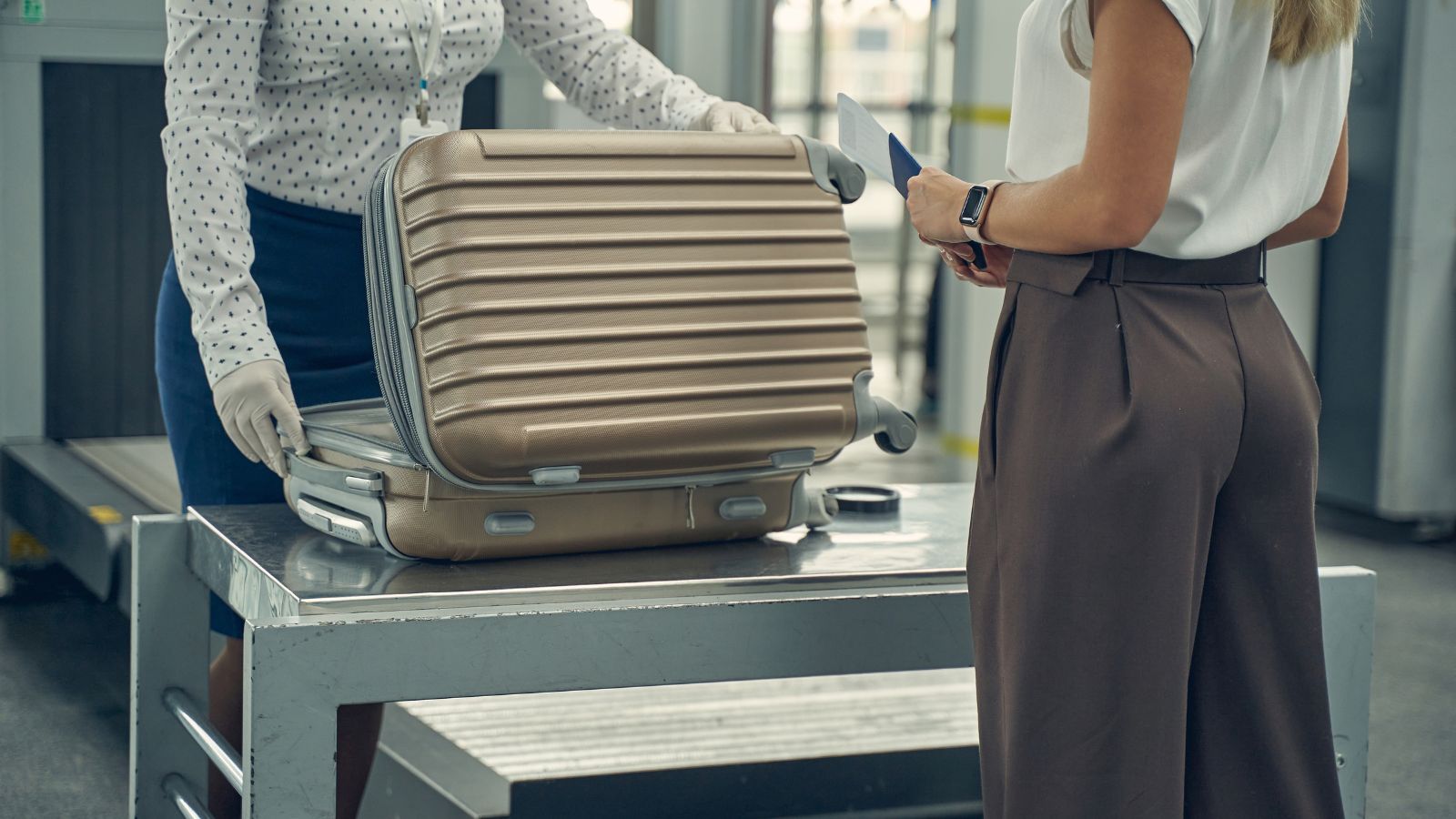
Airports in parts of Asia and the Middle East are particularly strict about certain ingredients, but regulations can change anywhere. What was allowed a few years ago may now be restricted. Assuming that “personal use” automatically makes an item acceptable is a mistake that has led to stressful delays and serious consequences for some travelers.
The safest approach is to check official government or embassy guidelines for the destination before packing medications. Keeping medicines in original packaging, carrying copies of prescriptions, and bringing only the amount needed for the trip can help avoid misunderstandings.

A small item in our toiletry bag can have bigger legal implications than we expect. Remembering that medication laws differ from country to country helps ensure that a routine health precaution does not turn into an unexpected travel problem.
