This Japanese City Still Lives by Tradition
We often search for destinations rich in history. Landmarks, museums, and preserved architecture. But some places go further, where tradition is not just displayed, but actively shapes daily life.
That’s what defines Kyoto.
From the moment we arrive, the rhythm feels intentional. Streets are calm. Movements are measured. There is a quiet respect in how spaces are used and shared.
Tradition is part of everyday life.
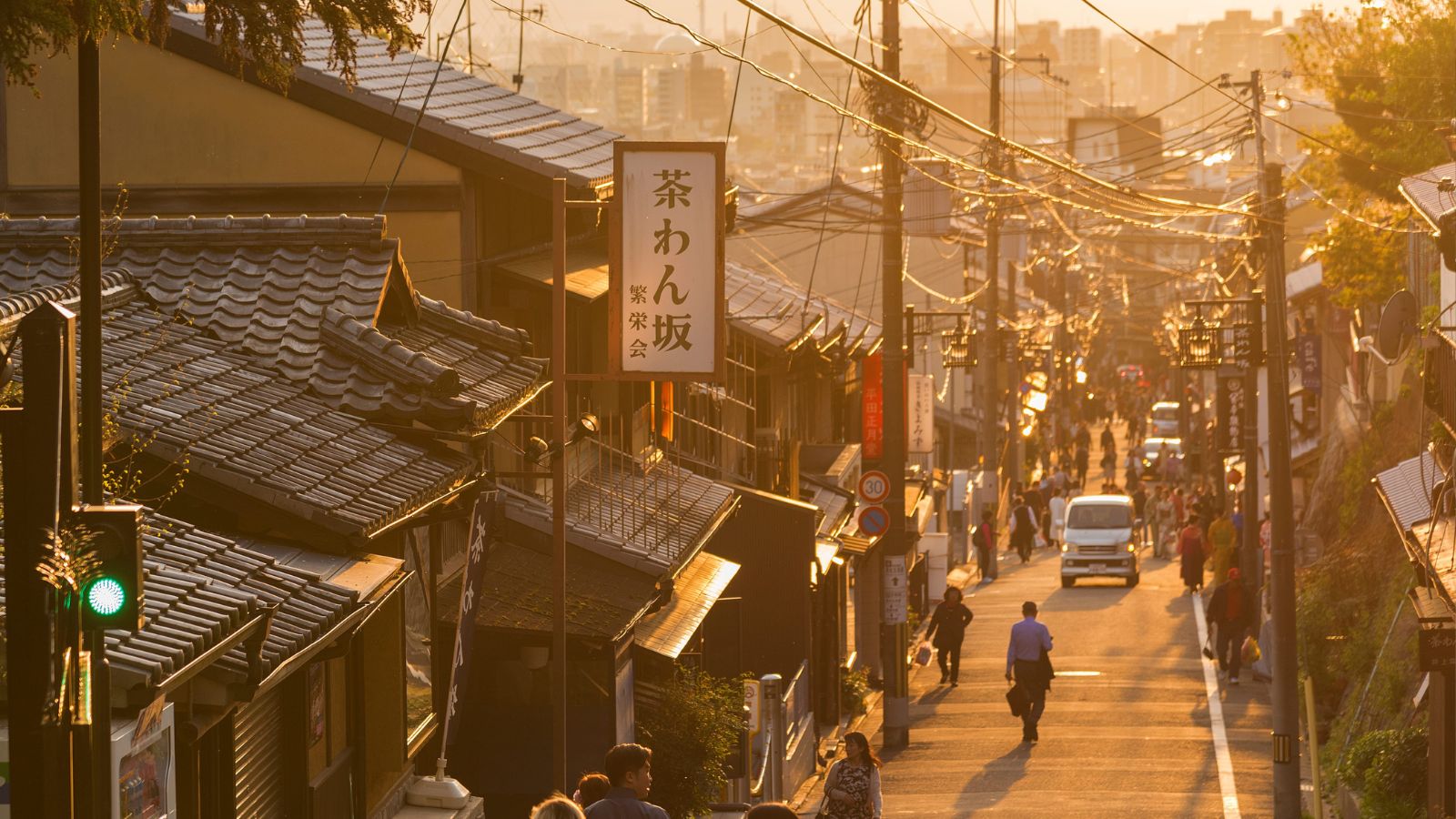
We see it in the way people move through the city, in local customs, and in the details of daily routines. It’s not something set aside for visitors. It’s something lived consistently.
We recommend slowing down.
Kyoto is best experienced without rushing. Walking through neighborhoods, observing small rituals, and spending time in quiet spaces often reveals more than any structured plan.
The environment encourages awareness.
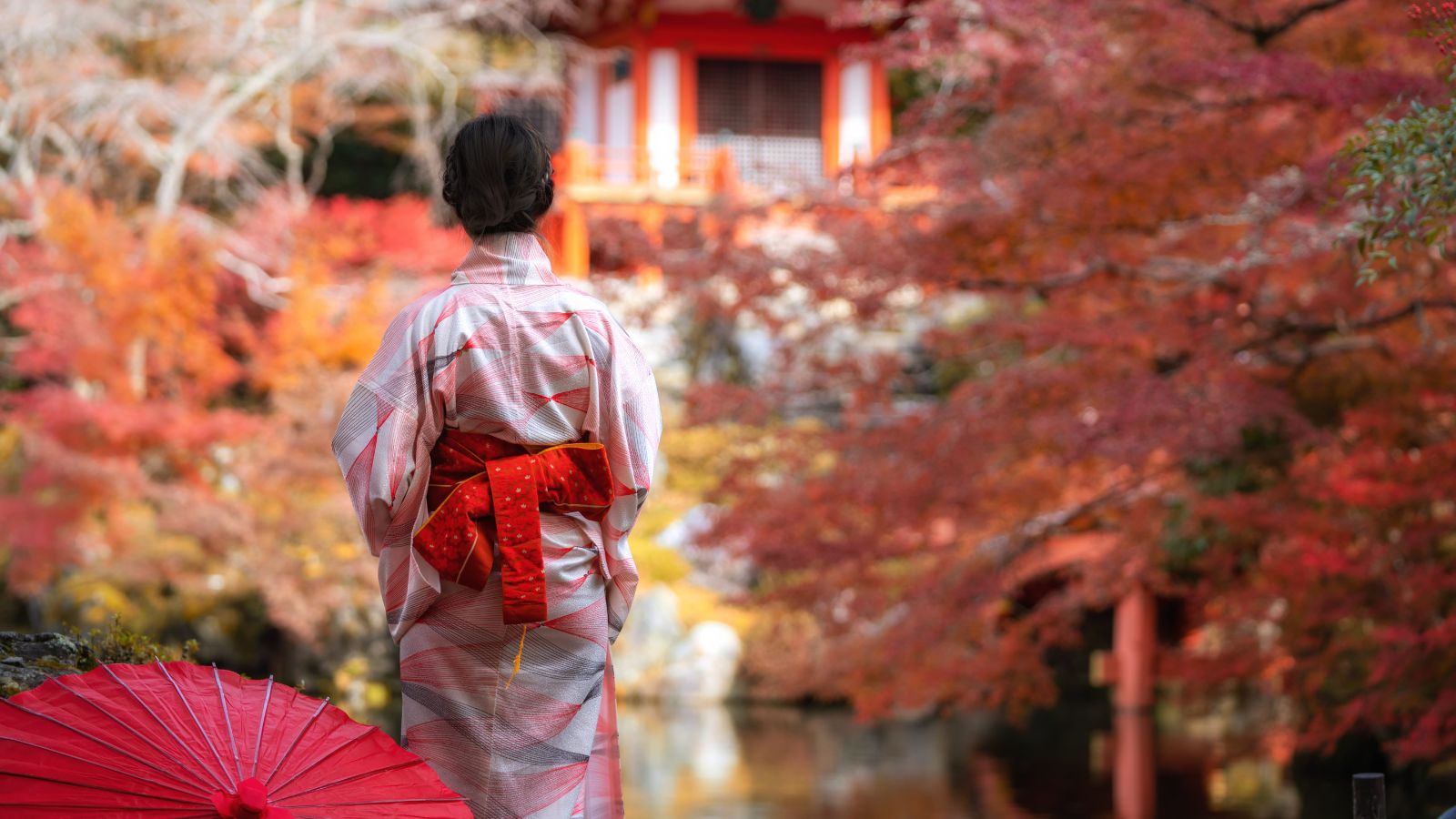
Temples, gardens, and traditional streets are designed for reflection. There is a sense of balance and intention that shapes how you experience each moment.
Even simple interactions feel thoughtful.
From dining to service, there is an attention to detail that reflects long-standing practices. Nothing feels hurried or careless.
We also notice how the city maintains continuity.
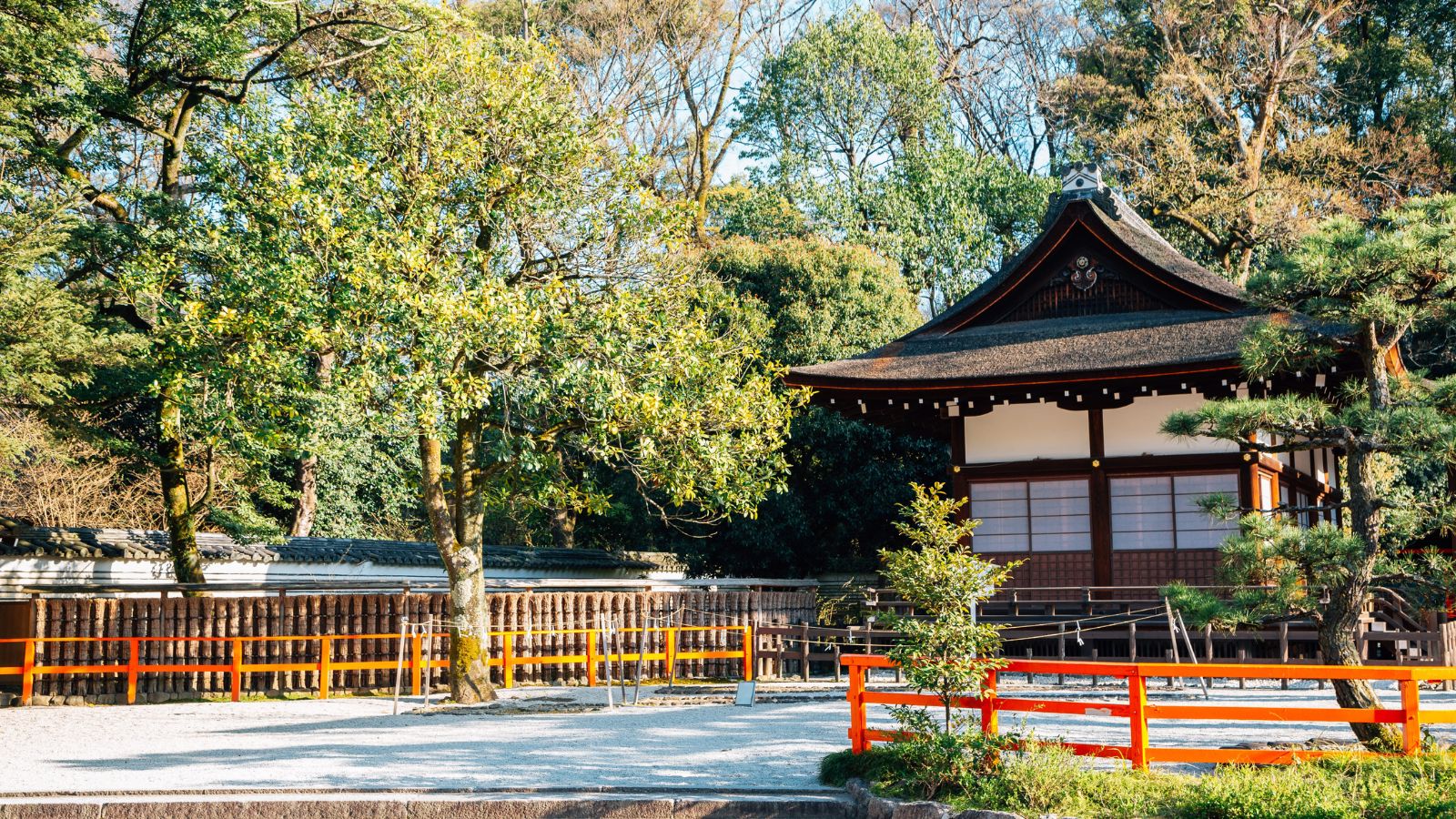
Modern life exists, but it does not overpower tradition. Instead, both coexist in a way that feels natural and grounded.
This creates a different kind of travel experience.
One that is not driven by constant activity, but by observation, respect, and presence.
What makes this destination stand out is not just its history.
It’s how that history continues to guide the present.
When tradition shapes the rhythm of a place, the experience becomes more than sightseeing.
It becomes something you feel in every moment.
