This Social Difference Can Surprise Travelers in Busy Cities
Big cities around the world have a certain energy we can feel the moment we arrive. Streets are busy, public transportation is full, and people move with purpose from one place to another. For many of us, that fast pace is part of the excitement of visiting a major destination. But travel experts say there’s one social difference that can catch visitors off guard in crowded urban centers, strangers may seem less likely to make eye contact, smile, or engage in small talk.
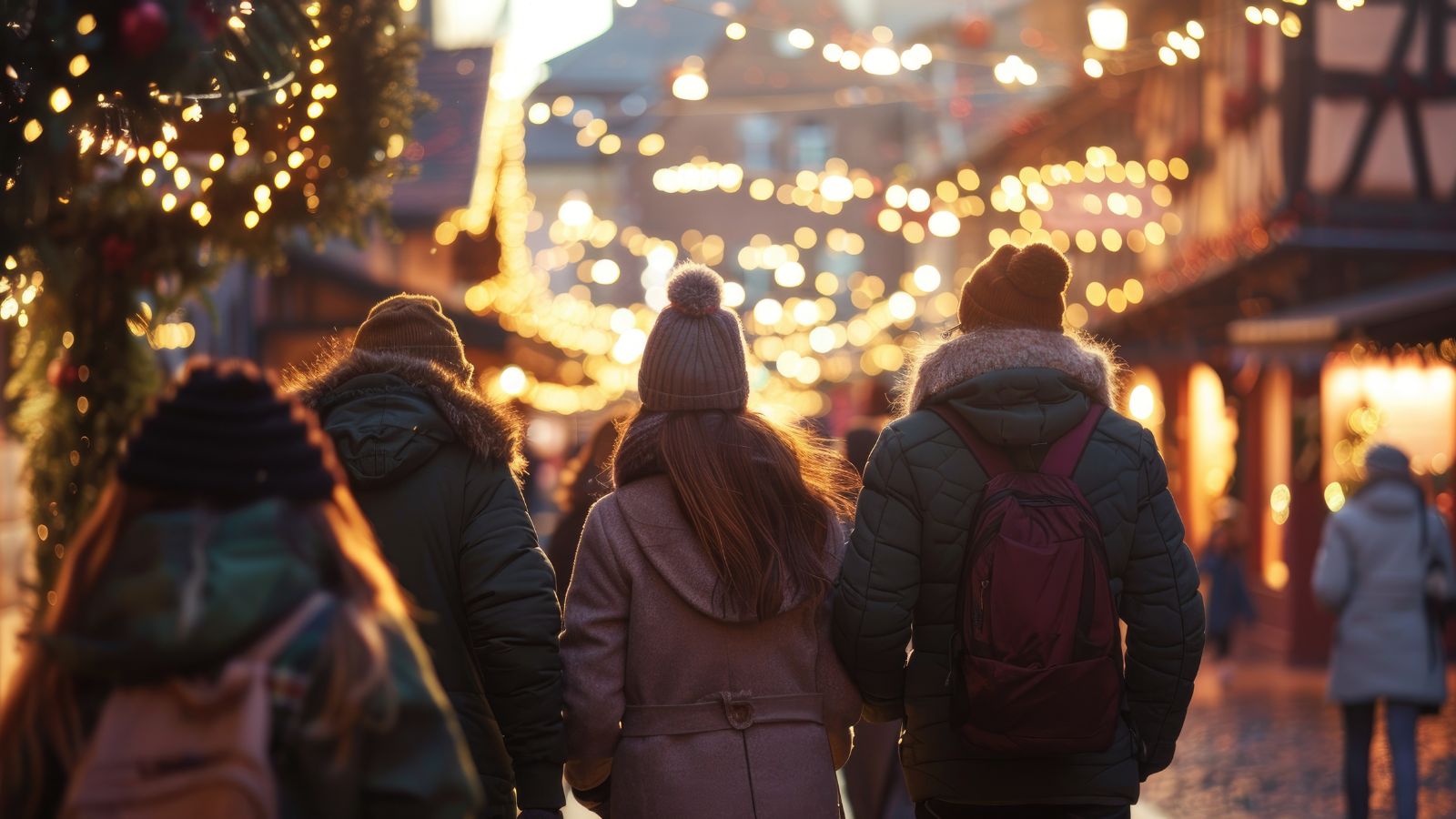
At home, especially in smaller towns or suburban areas, we may be used to brief friendly exchanges with people we don’t know. A quick smile in line, a casual hello on the sidewalk, or a bit of small talk while waiting for a bus can feel like everyday politeness. In some of the world’s busiest cities, though, that same behavior is less common, not because people are unfriendly, but because daily life runs on a different rhythm.
In dense urban environments, personal space often exists more in behavior than in distance. People share sidewalks, trains, and elevators with strangers all day long. Avoiding prolonged eye contact or unnecessary conversation can be a way of giving one another a sense of privacy in crowded settings. What might feel like coldness to us can actually be a form of unspoken courtesy.
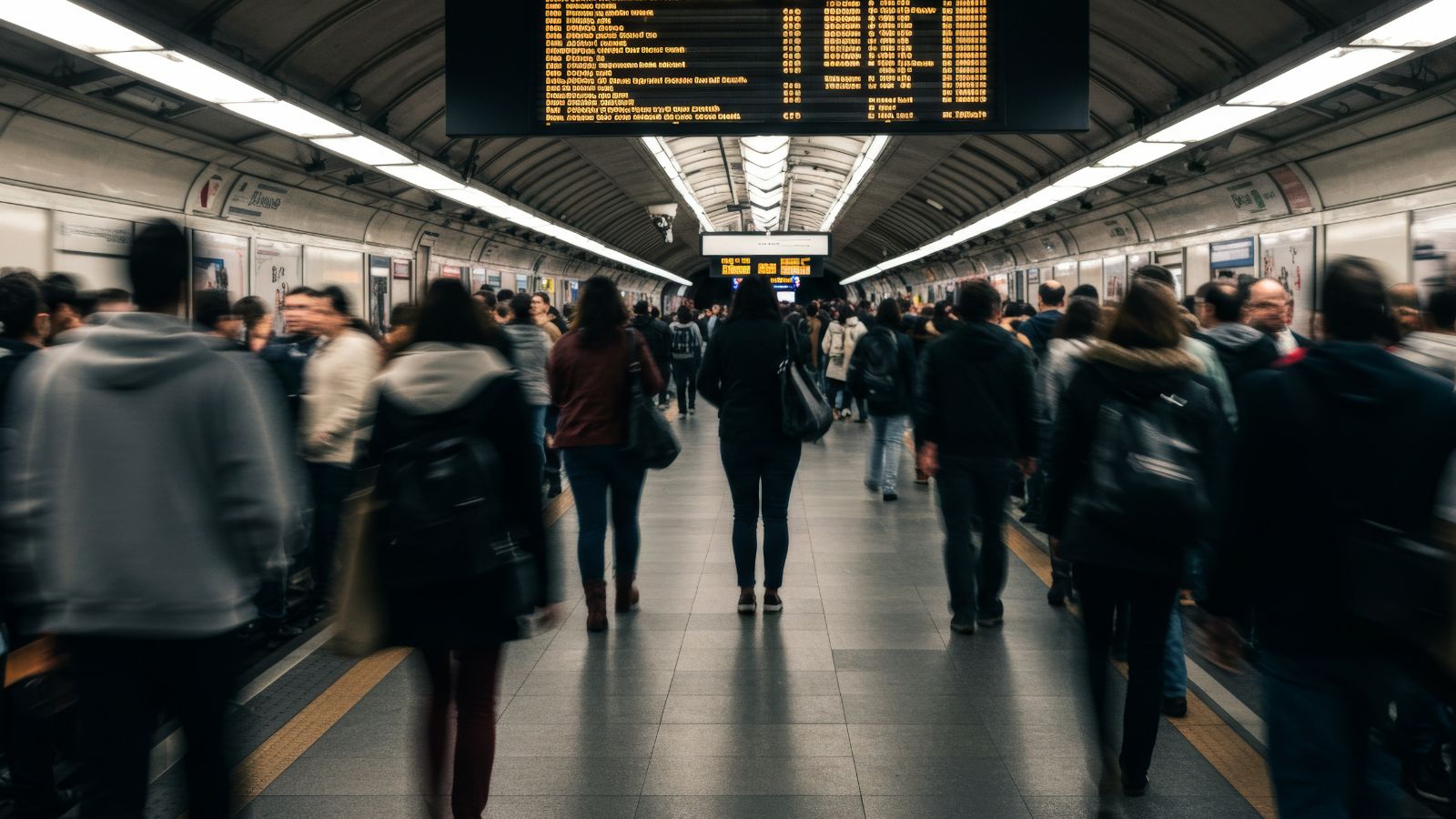
The pace of city life also plays a role. Commuters are often focused on schedules, work, or navigating busy streets. Pausing for casual conversation with someone they don’t know may simply not fit into the flow of their day. For visitors, this can feel like a sharp contrast to places where friendliness is shown through open conversation with strangers.
Understanding this difference can help us interpret interactions more accurately. A neutral expression on the subway or a quick, businesslike exchange in a shop usually isn’t meant to be rude. It’s often just the social norm in places where millions of people live and work side by side.
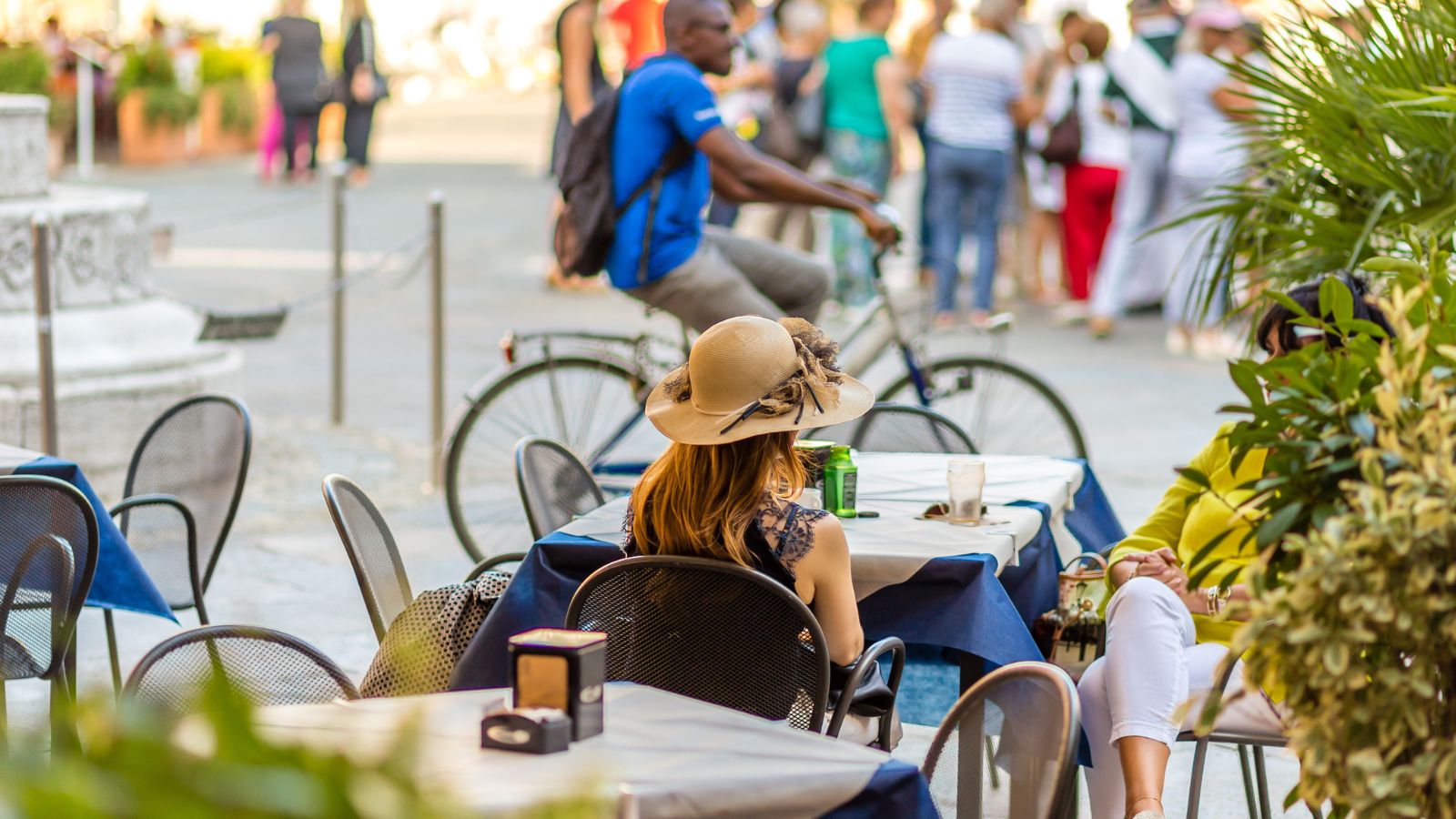
Before we visit large cities, we think it helps to adjust our expectations about everyday friendliness. We recommend following the local pace, keeping interactions polite but brief, and not taking reserved behavior personally. When we see it as part of how big cities function, the experience feels less surprising and much easier to navigate.
