Travel Experts Warn That Driving in Iceland Is Not as Easy as It Looks
Iceland has a way of looking effortless in photos. Smooth ring roads curve past waterfalls, black-sand beaches stretch into the distance, and wide-open landscapes make a road trip seem like the most relaxing way to explore. For many of us, renting a car there feels like the obvious choice, freedom, flexibility, and unforgettable scenery all in one. But travel experts say there’s one reality we shouldn’t overlook, driving in Iceland often demands more preparation than we expect.
The challenge isn’t heavy traffic or confusing city streets. In fact, much of Iceland feels quiet and uncrowded once we leave Reykjavík. The real issue is how quickly conditions can change. Weather, road surfaces, and visibility can shift within a single stretch of highway, turning what looked like a calm drive into a more stressful one.
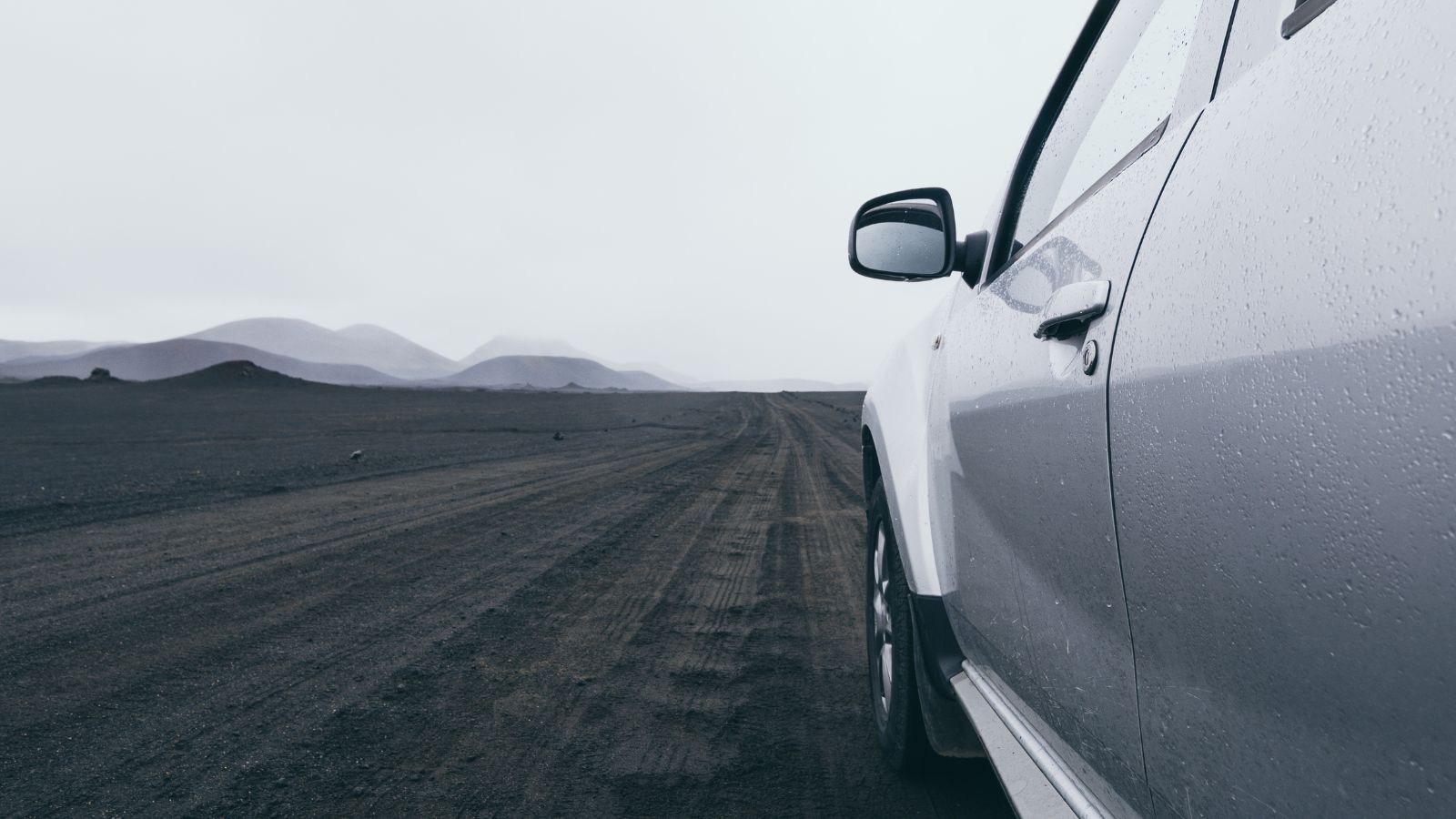
Wind is one of the biggest surprises for visitors. Strong gusts can push against car doors when we open them and even affect how a vehicle handles on open roads. Gravel sections are another factor. Not all scenic routes are fully paved, and loose stones can make braking and steering feel different, especially if we’re used to smooth highways at home.
Then there’s the weather. Even outside of winter, rain, fog, and sudden cold snaps can move in fast. In cooler months, ice and snow add another layer of difficulty, especially on rural roads with limited lighting. What looks like a short, easy drive on a map can take much longer when we slow down for safety, something experts strongly encourage.
None of this means we should skip an Iceland road trip. On the contrary, driving is still one of the best ways to see waterfalls, glaciers, and remote coastal views at our own pace. The key point experts stress is preparation, not panic. Checking daily road and weather updates, choosing the right type of vehicle, and allowing extra travel time can make a big difference.
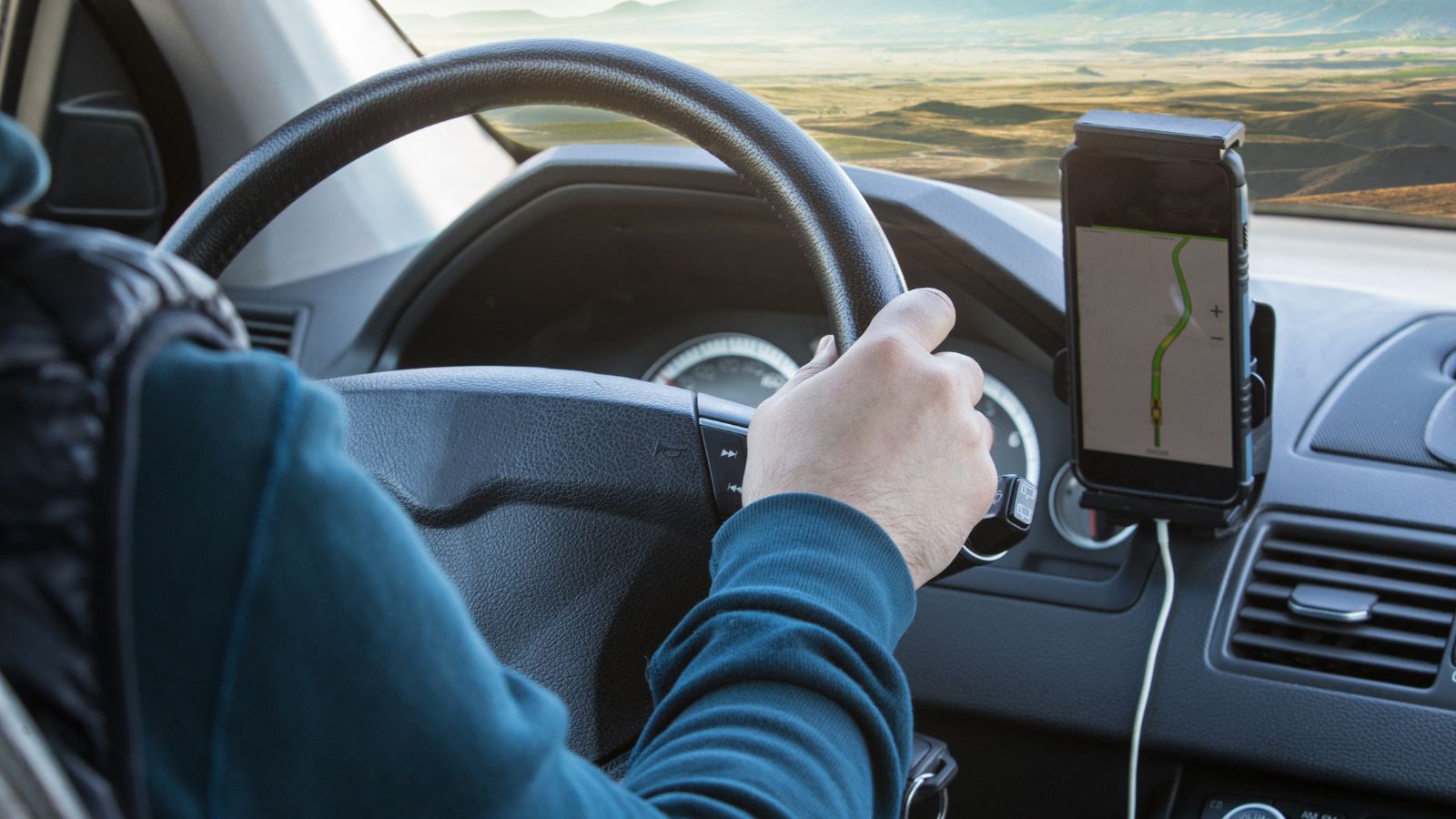
We may be experienced drivers, but Iceland asks us to adjust our expectations. We recommend thinking of the drive itself as part of the adventure, one that deserves the same planning as the sights we want to see. When we respect the conditions and take it slow, the journey can be just as memorable as the destinations waiting at the end of the road.
