Visa-Free Travel Isn’t the Same for Every Passport Holder
It’s easy to assume that visa-free means the same thing for everyone. We see headlines about countries opening their borders to tourists without visas, and it sounds simple: book a flight, pack a bag, and go. But many travelers discover too late that visa-free travel depends heavily on the passport they hold, not just the destination they’re visiting.
Visa-free access is based on agreements between governments, and those agreements vary by nationality. A country may allow visitors from one passport to enter without a visa for 90 days, while travelers from another country may be limited to 30 days or may need to apply in advance. This is why two people flying to the same place on the same plane can face very different entry rules at immigration.

The confusion often starts during trip planning. Online searches and travel articles frequently say a destination is visa-free, but they don’t always specify for whom. Booking platforms usually focus on flights and hotels, not entry requirements. As a result, travelers assume the rules they’ve heard about apply universally, when in reality they apply only to certain nationalities.
Even within visa-free travel, conditions can differ. Some passports allow entry without paperwork, while others require online travel authorizations, proof of onward travel, or specific length-of-stay limits. Overstaying, even by a few days can lead to fines, future travel restrictions, or denial of entry on the next visit. These rules are enforced at immigration, not at booking, which makes the mistake easy to make and hard to fix at the last minute.
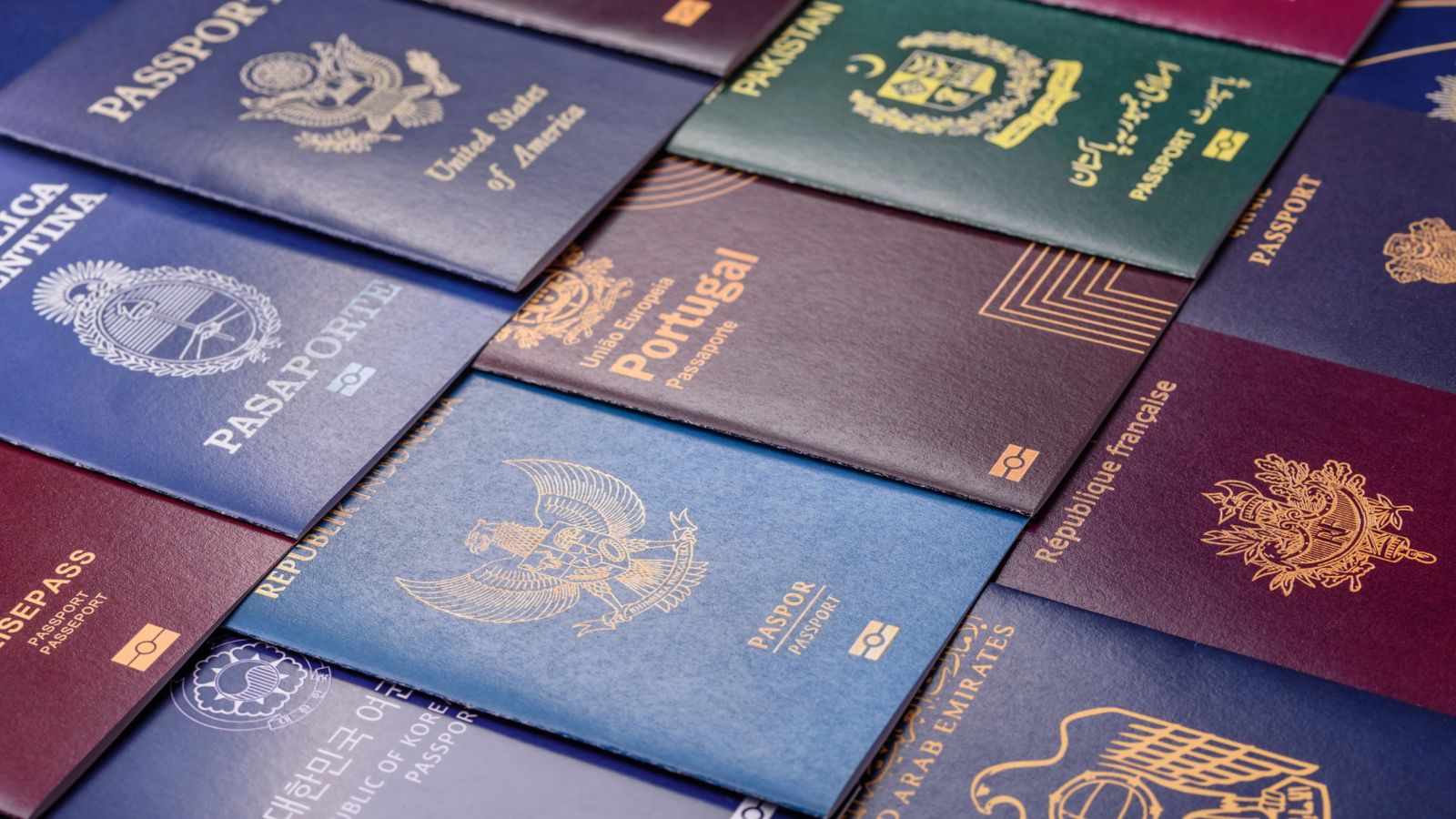
Airlines play a role here as well. If a traveler doesn’t meet visa requirements for their passport, airlines may deny boarding before departure. From the airline’s perspective, transporting someone who can’t legally enter a country creates costly problems. That’s why check-in agents focus on passport nationality, not just destination, when verifying travel documents.
This is especially important for travelers who hold passports from countries with fewer visa-free agreements. A destination that feels easy for one traveler may require advance paperwork for another. Even dual citizens need to be careful, since the passport used for travel determines which rules apply.

Visa-free travel can be a great convenience, but only when it’s understood correctly. We think the safest approach is to check entry rules based on passport nationality as soon as international travel is considered. Knowing where your passport truly allows you to go without surprises can make the difference between a smooth departure and a trip that never leaves the airport.
