What First-Time Flyers Are Often Unprepared For Onboard
The first surprise usually hits before the plane ever leaves the ground. Once the cabin door closes, first-time flyers often realize that flying is not just transportation. It is an exercise in shared space, patience, and constant adjustment. This becomes especially clear on full flights departing from major hubs like Atlanta’s Hartsfield-Jackson International Airport, where nearly every seat is filled.
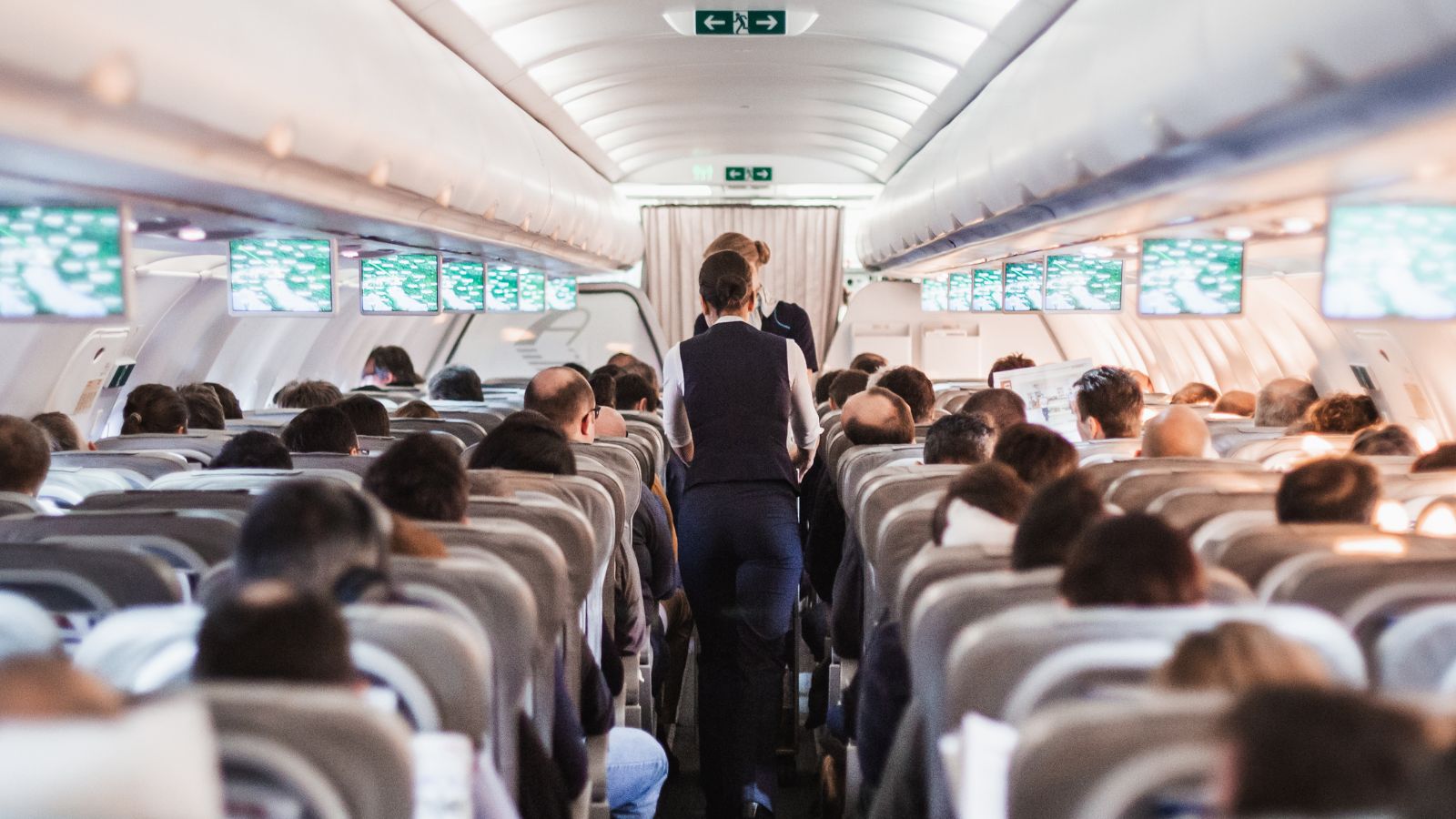
What many new flyers are unprepared for is how little personal space exists onboard. Seats are close. Aisles are narrow. Overhead bins belong to everyone, not just the seat beneath them. Even before takeoff, movement around the cabin continues as passengers stow bags, switch seats, and settle in. The feeling of being “done” rarely comes right away.
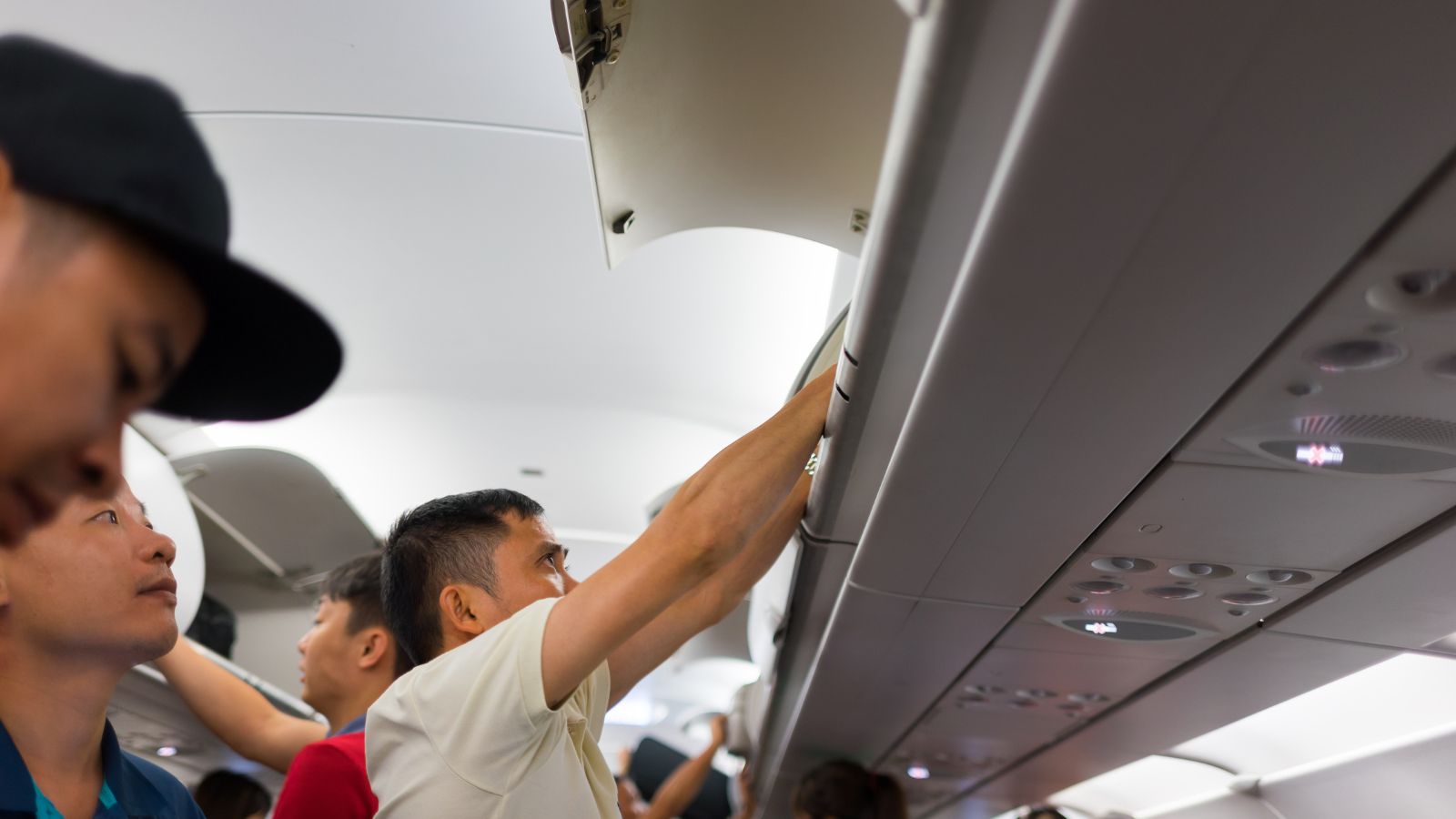
Once seated, interruptions do not stop. People stand to access bins. Flight attendants move carts through tight aisles. Neighbors adjust seats or reach for belongings. For first-time flyers expecting a calm, uninterrupted ride, this constant motion can feel overwhelming. Flying requires accepting that stillness is rare.
Noise is another adjustment many do not expect. Engines hum. Announcements repeat. Conversations overlap. On busy routes through cities like Chicago or Los Angeles, cabins stay active longer as flights wait for clearance. The sound level is part of the experience, not a temporary phase.
Timing also surprises new flyers. Boarding takes time. Taxiing can take longer than expected. Once airborne, service happens on the crew’s schedule, not the passenger’s. Meals, drinks, and restroom access are controlled by turbulence, safety rules, and workload. This lack of control can feel unsettling to those used to setting their own pace.
Even comfort works differently in the air. Temperature changes throughout the flight. Air feels drier. Sitting for extended periods feels more noticeable when movement is limited. These physical details often stand out more than the view outside the window.
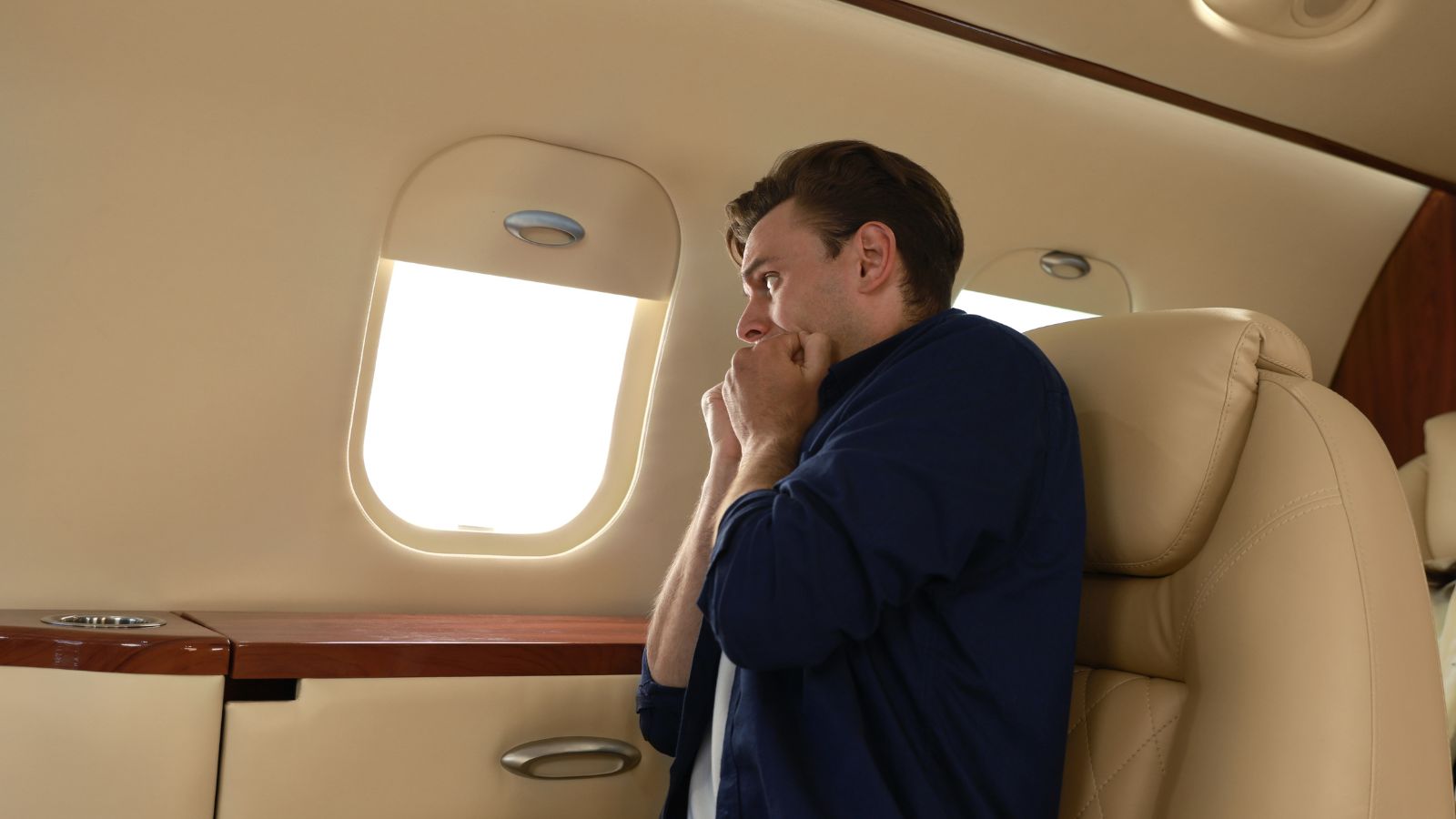
What helps most is expectation. When first-time flyers understand that flying is a shared, structured environment, frustration decreases. Packing essentials within reach, staying seated when possible, and allowing extra time mentally—not just on the clock—make a difference.
Flying is not difficult, but it is different. The cabin is a temporary community with its own rhythm and limits. When first-time flyers prepare for that reality, the experience becomes less stressful and far more manageable. The flight feels smoother not because conditions change, but because expectations do.
