What Most Guests Don’t Consider About Hotel Evacuation and Access
We think about the view. The bed. The breakfast spread. We rarely think about how we would leave.
Hotel evacuation and access are not dramatic topics. They are practical ones. Yet they shape how secure and comfortable a stay truly feels. Every hotel has emergency procedures. Marked exits. Stairwells. Emergency lighting. But not every room location offers the same level of ease if something unexpected happens.
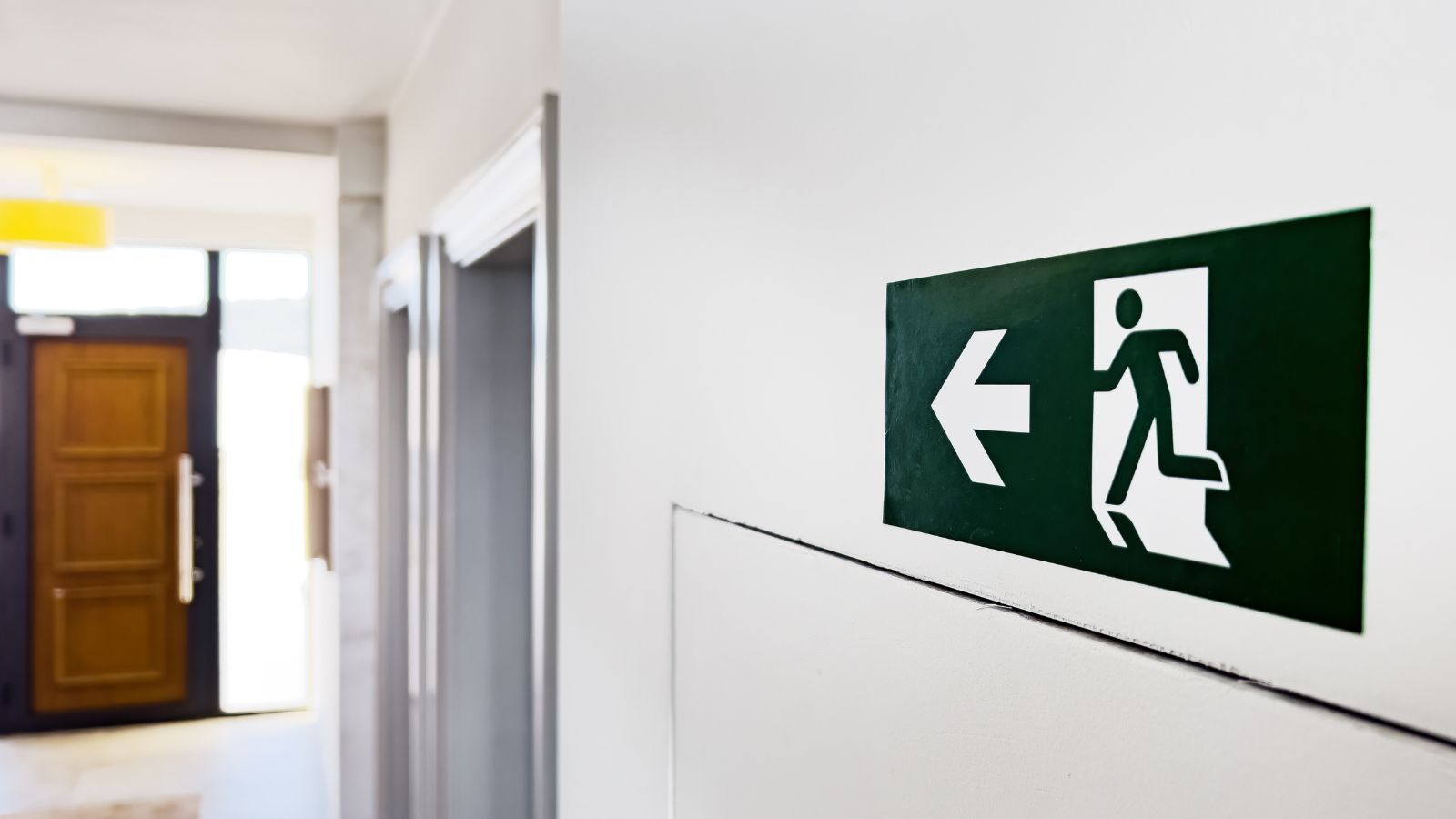
High floors are popular for good reason. Better views. Less street noise. More privacy. But during most emergencies, elevators are not used. That means stairs. Descending multiple flights in low light or under pressure can feel very different from riding down in the morning for coffee.
Mid-level floors often strike a balance. Elevated enough for quiet. Low enough to exit efficiently if needed. Access also affects daily comfort. A room at the far end of a long corridor can feel peaceful at first. After a full day out, that walk feels longer. Add luggage. Add room service trays in the hallway. Add late-night returns. Small inconveniences add up.
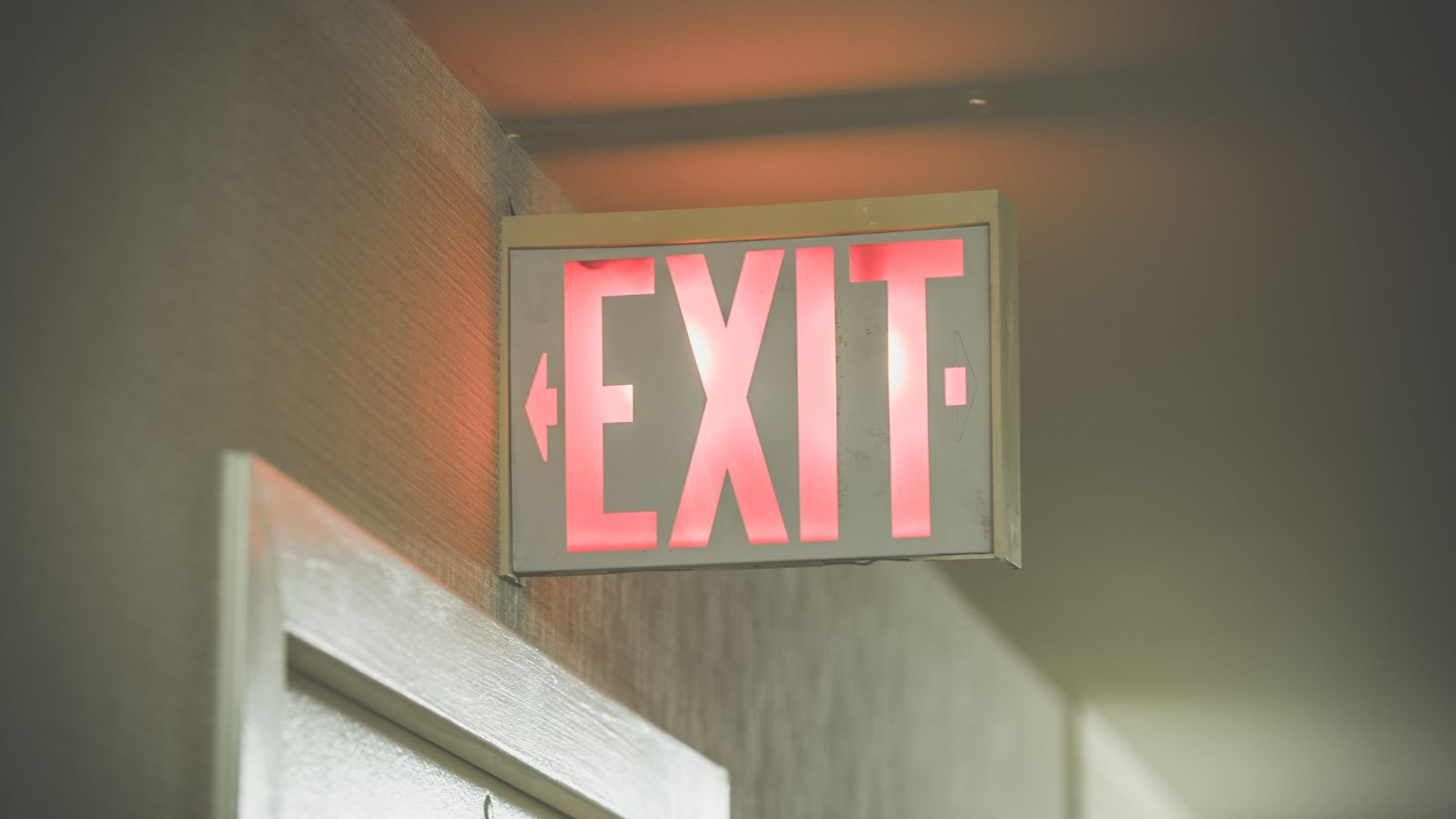
Proximity to elevators is helpful. Directly beside them is not. Elevator chimes, rolling bags, and late arrivals can disrupt rest. A few doors down is often ideal.
Ground-floor rooms seem convenient. And they can be. But they also mean closer proximity to public access points and foot traffic. For many travelers, one or two floors above the lobby provides a better blend of privacy and accessibility.
There is also one simple habit most guests skip: reviewing the evacuation map on the back of the door. It takes less than a minute. Locate the nearest stairwell. Notice the secondary exit. Build familiarity. In the unlikely event of disruption, clarity replaces confusion.
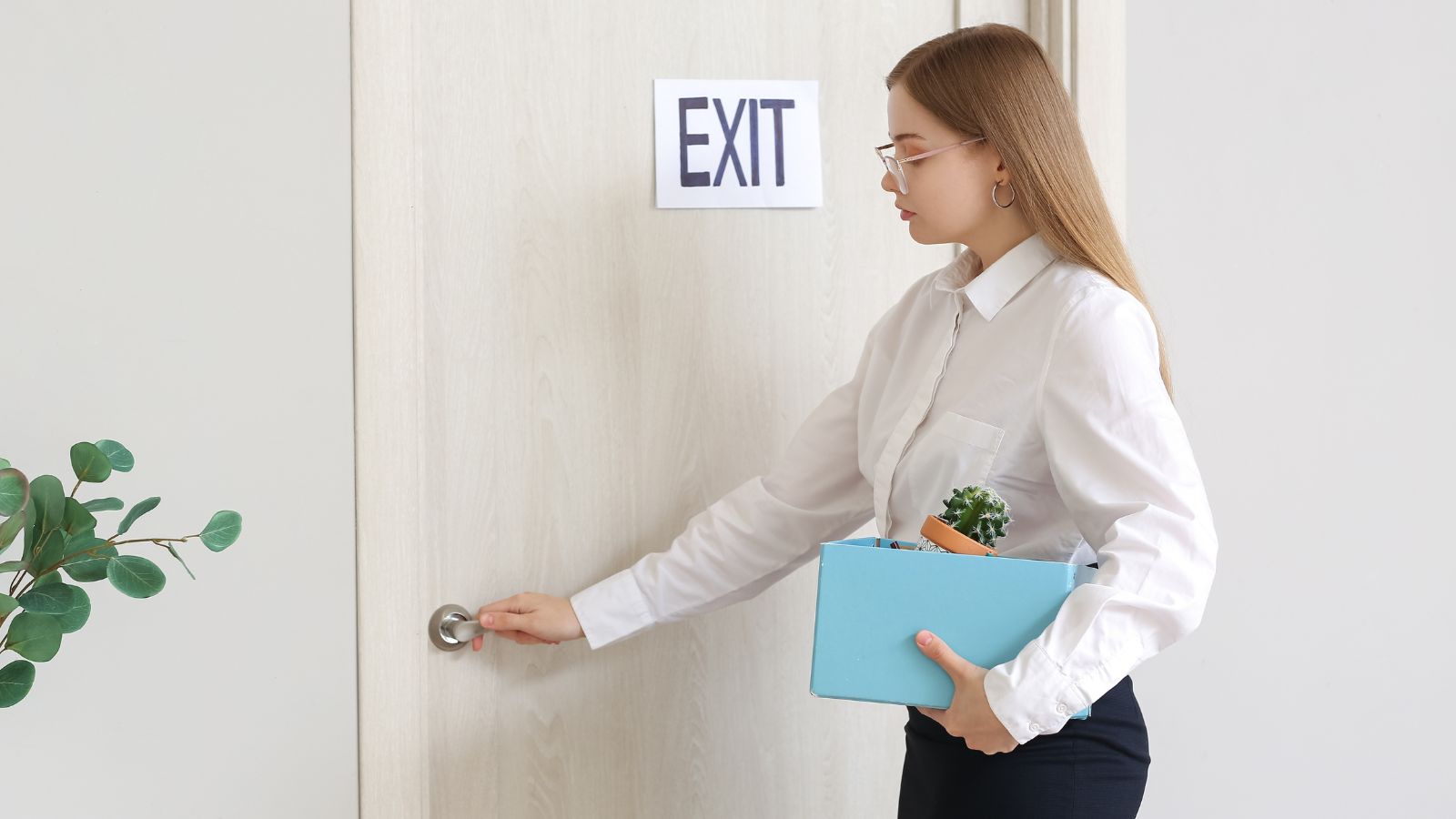
Modern hotels meet strong safety standards. Sprinkler systems. Smoke detectors. Clearly marked escape routes. Serious incidents are rare. But thoughtful travelers understand that comfort includes confidence.
The goal is not to travel cautiously. It is to travel intelligently.
A room is more than its design and décor. It is how easily we move through it. How safely we exit it. How calmly we rest inside it. The smartest stay is not just about where we sleep. It is about knowing we can step out smoothly, whenever we need to.
