What Travelers Over 50 Wish They’d Known About Long-Haul Flights
Long-haul flights tend to look manageable on paper. We book the seat, pack a neck pillow, load a few movies, and assume time will simply pass. But many travelers over 50 say the real challenge isn’t boredom or jet lag, it’s how the body reacts after hours in the air.
What often comes as a surprise is how much movement, not comfort upgrades, determines how we feel when we land.
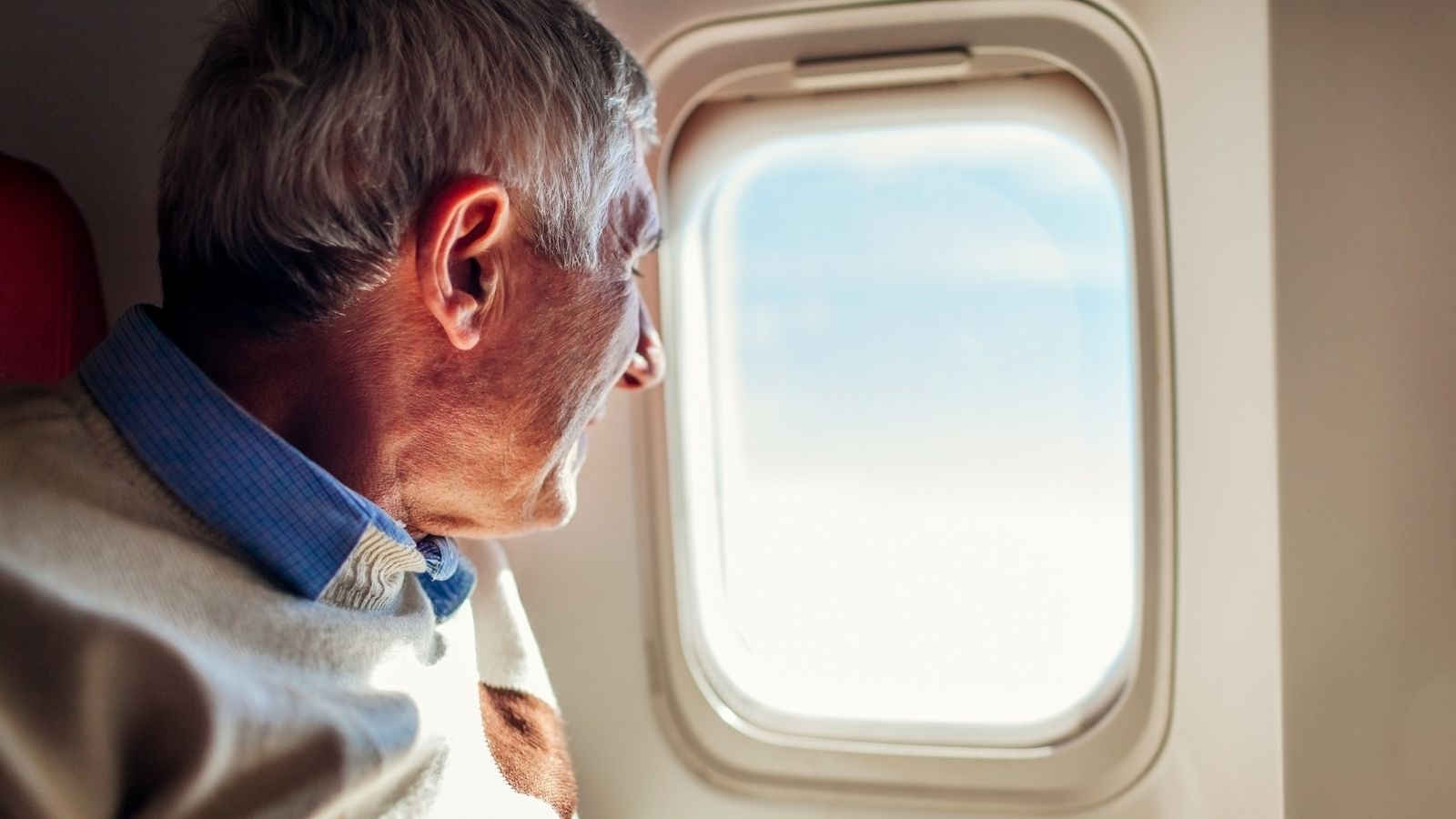
As we get older, sitting still for extended periods affects circulation, joints, and muscle stiffness more noticeably. Long-haul flights amplify this. Even travelers who sleep well onboard often step off the plane feeling heavier, slower, and more drained than expected. It’s not because flying suddenly became harder, it’s because the body now needs more active care during the journey.
We tend to focus on seat selection or legroom, assuming that extra inches will solve the problem. While space helps, it doesn’t replace movement. Staying seated for eight to twelve hours slows blood flow and tightens hips, knees, and ankles. This stiffness doesn’t just cause discomfort; it can linger for days and affect the first stretch of a trip.
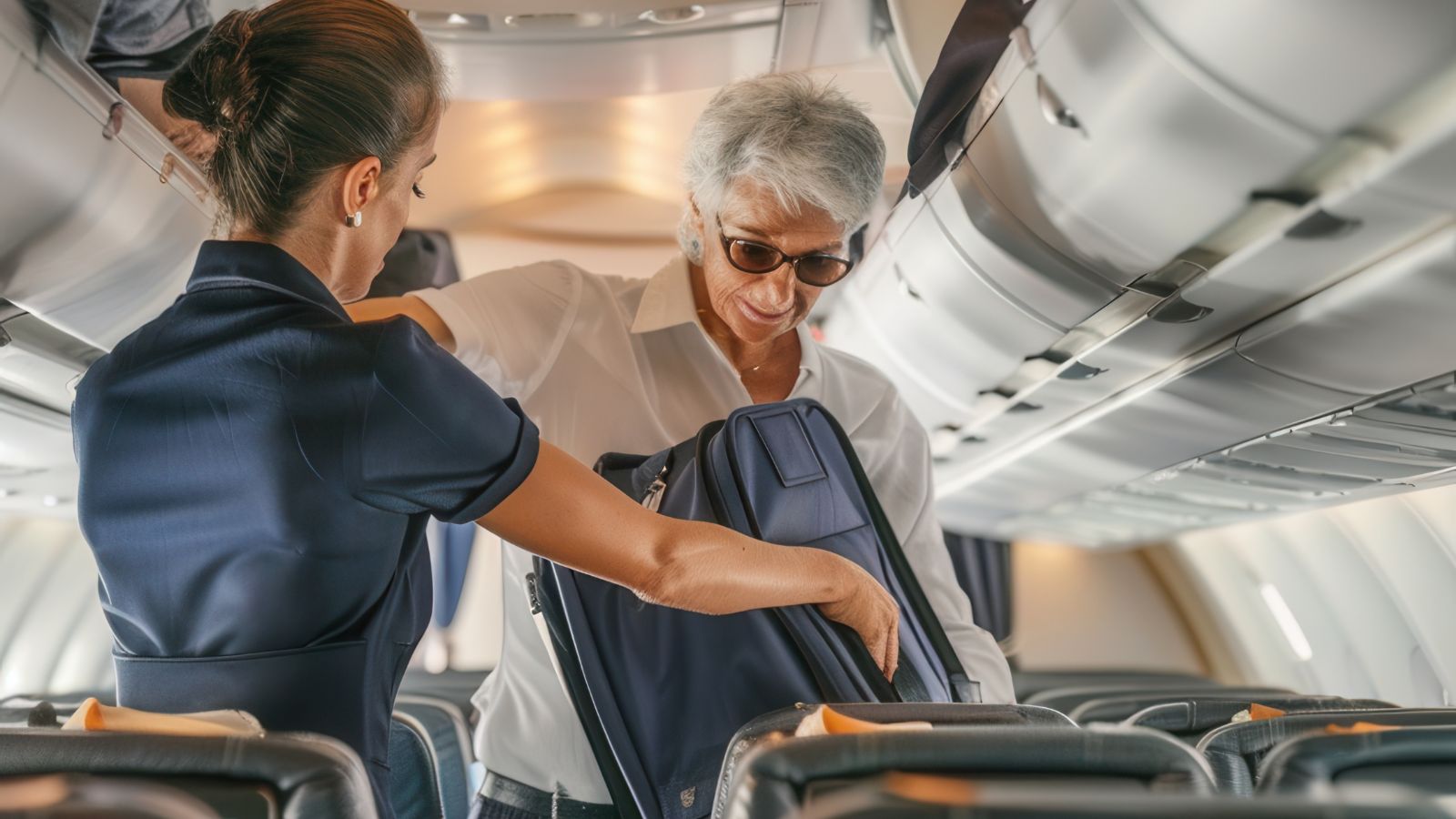
Travelers over 50 often say they wish they’d prioritized getting up regularly, even when it felt inconvenient. Short walks down the aisle, gentle stretching near the galley, and ankle or calf movements at the seat can make a noticeable difference. These small actions help the body reset and reduce that locked-in feeling after landing.
Hydration plays a quiet role here, too. Dry cabin air contributes to stiffness, but drinking water also creates a natural reason to stand up. Every refill becomes a chance to move, stretch, and reset circulation. Many experienced travelers now treat hydration and movement as a paired habit rather than separate concerns.
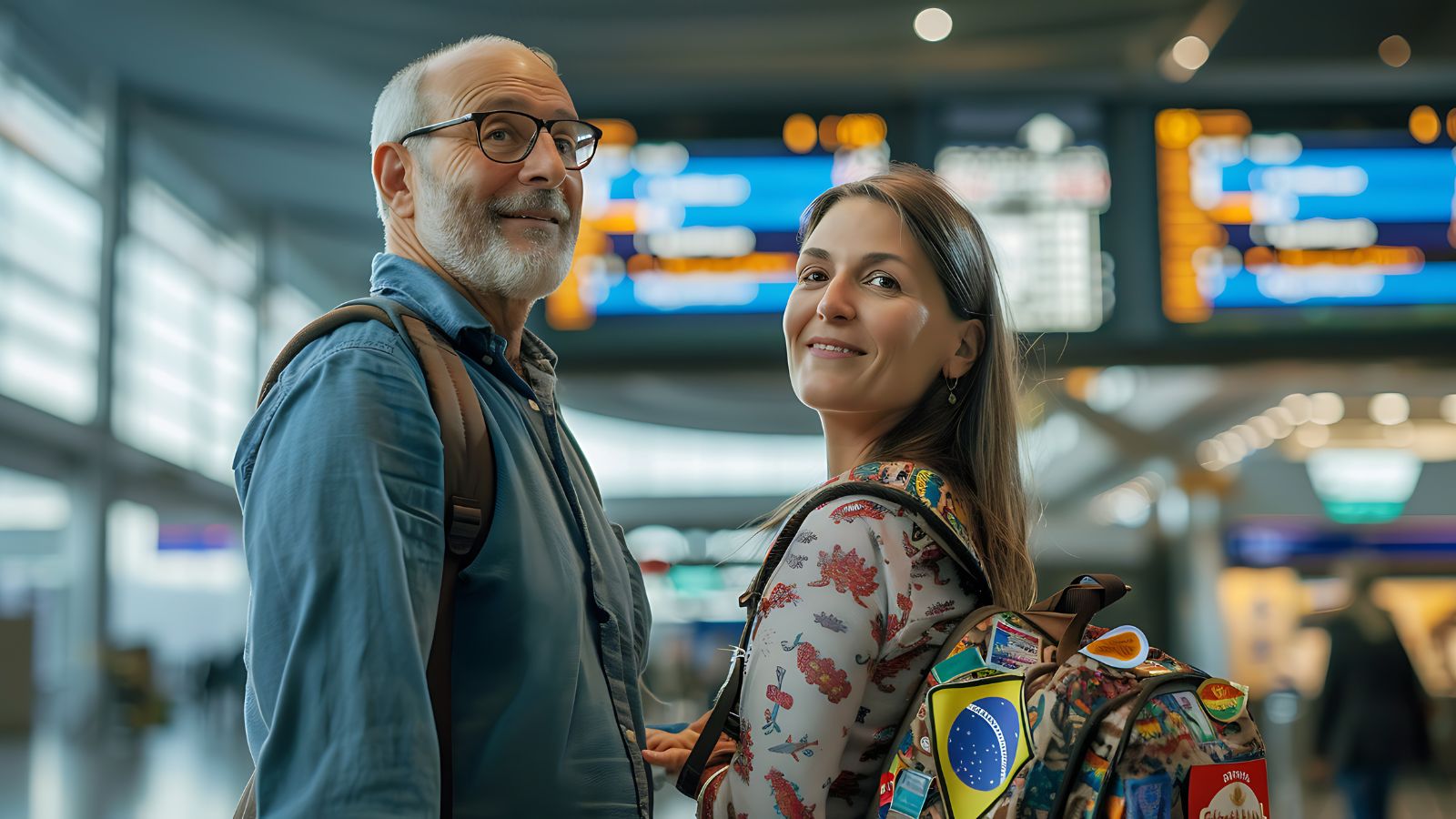
Another overlooked factor is how movement affects recovery time. Trips often feel shorter when the first day isn’t spent recovering from the flight itself. Travelers who move more in the air often find they can walk farther, sleep better, and adjust faster once they arrive. That difference matters, especially on itineraries packed with sightseeing or long walking days.
The biggest realization many travelers over 50 share is simple, long-haul flights aren’t something to endure anymore. They’re something to manage actively. Movement turns the flight from a physical setback into a manageable part of the journey.
We don’t need to train for flights or overhaul routines. We just need to stop treating stillness as rest. On long-haul trips, staying gently active is what helps us arrive feeling ready rather than needing a full day just to recover.
