When Tourist Behavior Makes Locals Less Welcoming
Most of us travel hoping to experience warm hospitality. We picture friendly conversations, helpful directions, and a sense of connection in a new place. But sometimes, the welcome feels cooler than expected. Often, that shift has less to do with the destination and more to do with how visitors move through it.
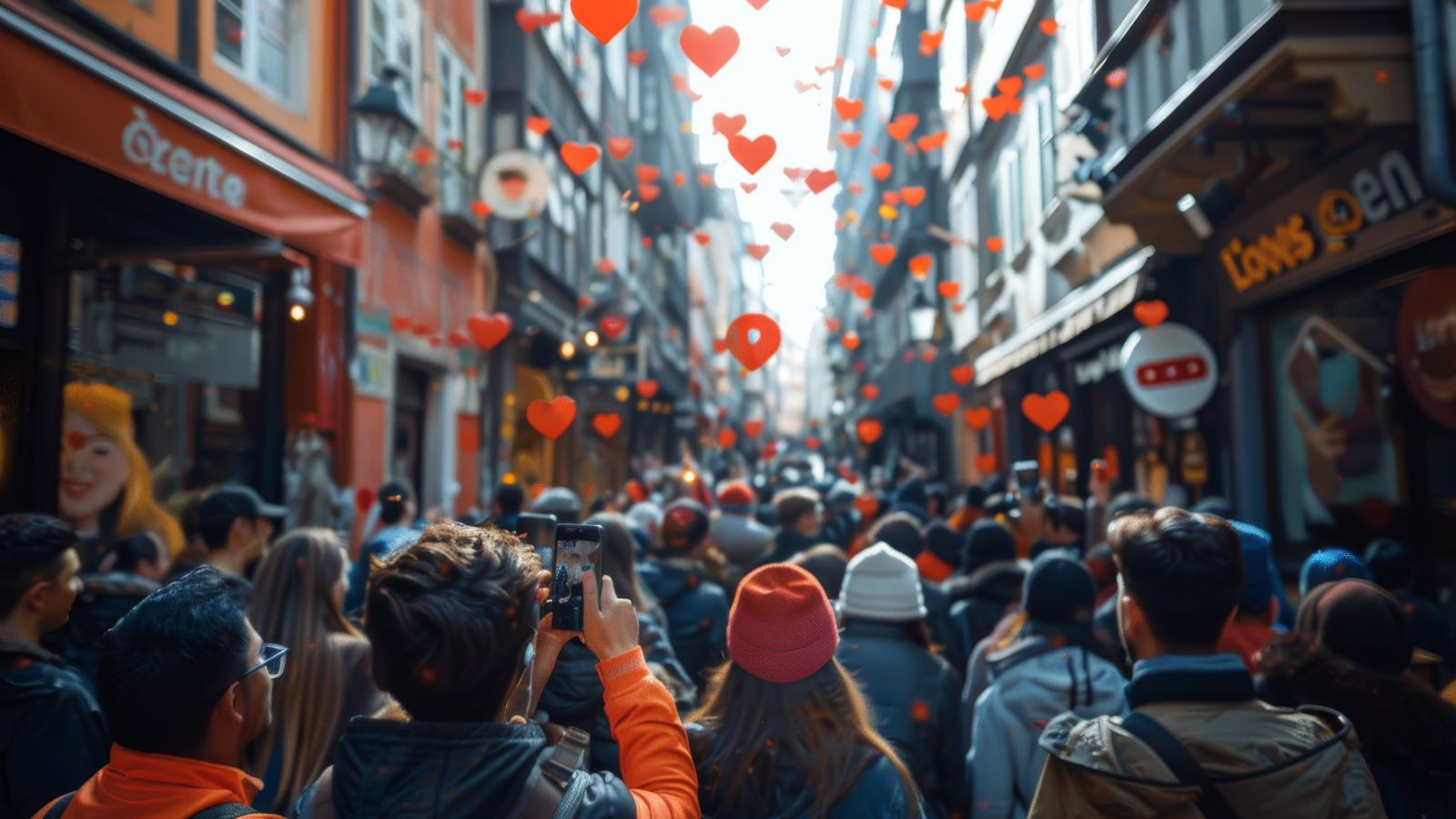
One behavior stands out across cities and small towns alike: treating everyday places like they exist only for our experience. When we block sidewalks to take photos, speak loudly in quiet neighborhoods, or treat local markets like theme parks, we unintentionally disrupt daily life. What feels like a fun moment to us may be part of someone else’s routine commute, workday, or time with family.
Crowding is a common pressure point. Popular streets, public transport, and local cafés can quickly feel overwhelmed when visitor numbers surge. When we linger in doorways, stop suddenly in narrow walkways, or ignore personal space norms, frustration builds. Locals are not reacting to travelers themselves, but to the feeling that their own spaces are becoming harder to use.
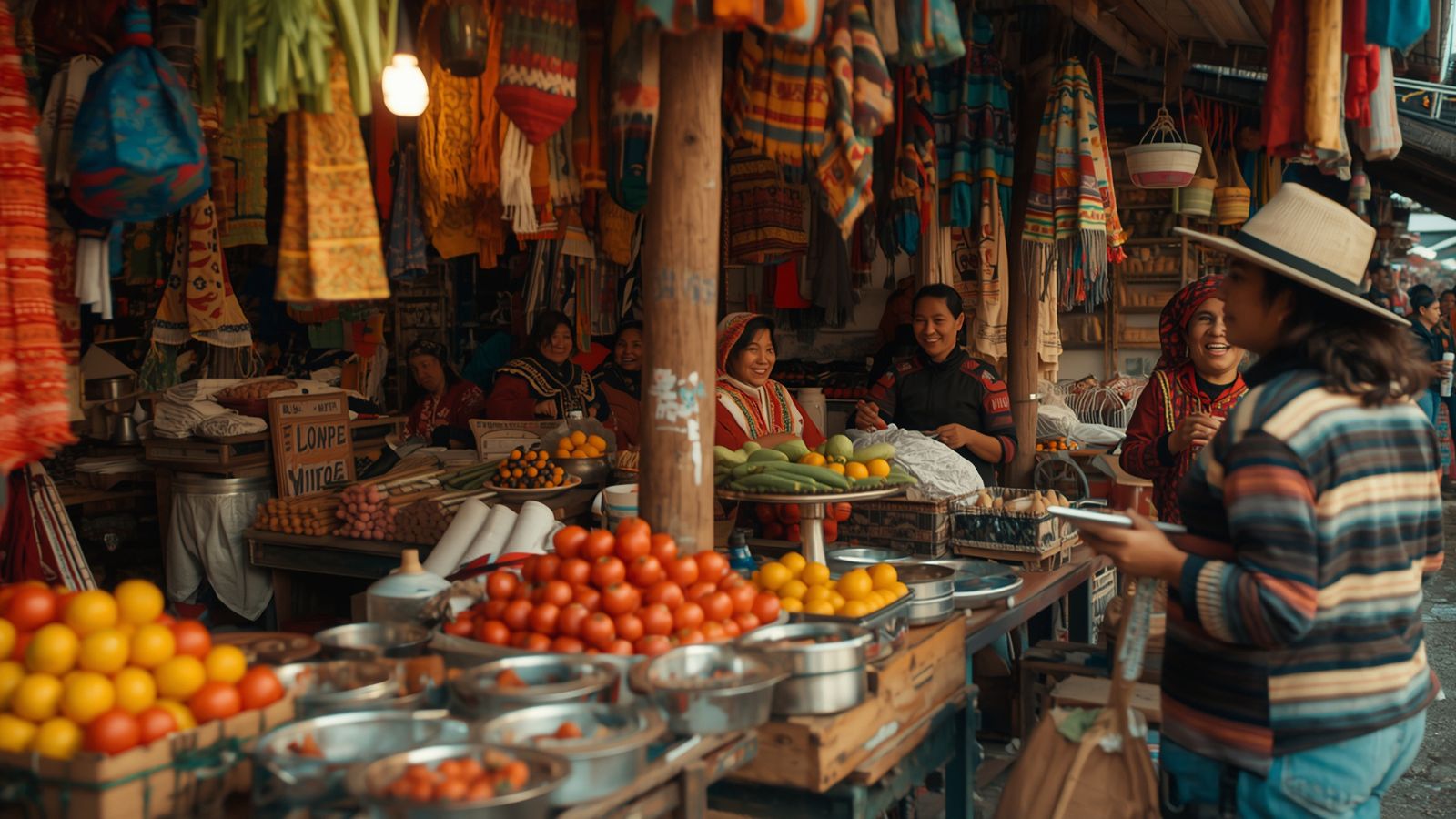
Another factor is assumption. When we expect every interaction to be tailored to us from menu changes to special treatment we place extra demands on people simply doing their jobs. Service workers in heavily visited areas often carry the weight of constant requests, tight schedules, and language gaps. Politeness and patience go a long way, but entitlement wears thin quickly.
Photography can also create distance. Snapping pictures of homes, street vendors, or residents without asking may seem harmless, but it can feel invasive. Communities are not backdrops, and daily life is not a performance. When people feel observed rather than respected, they naturally pull back.
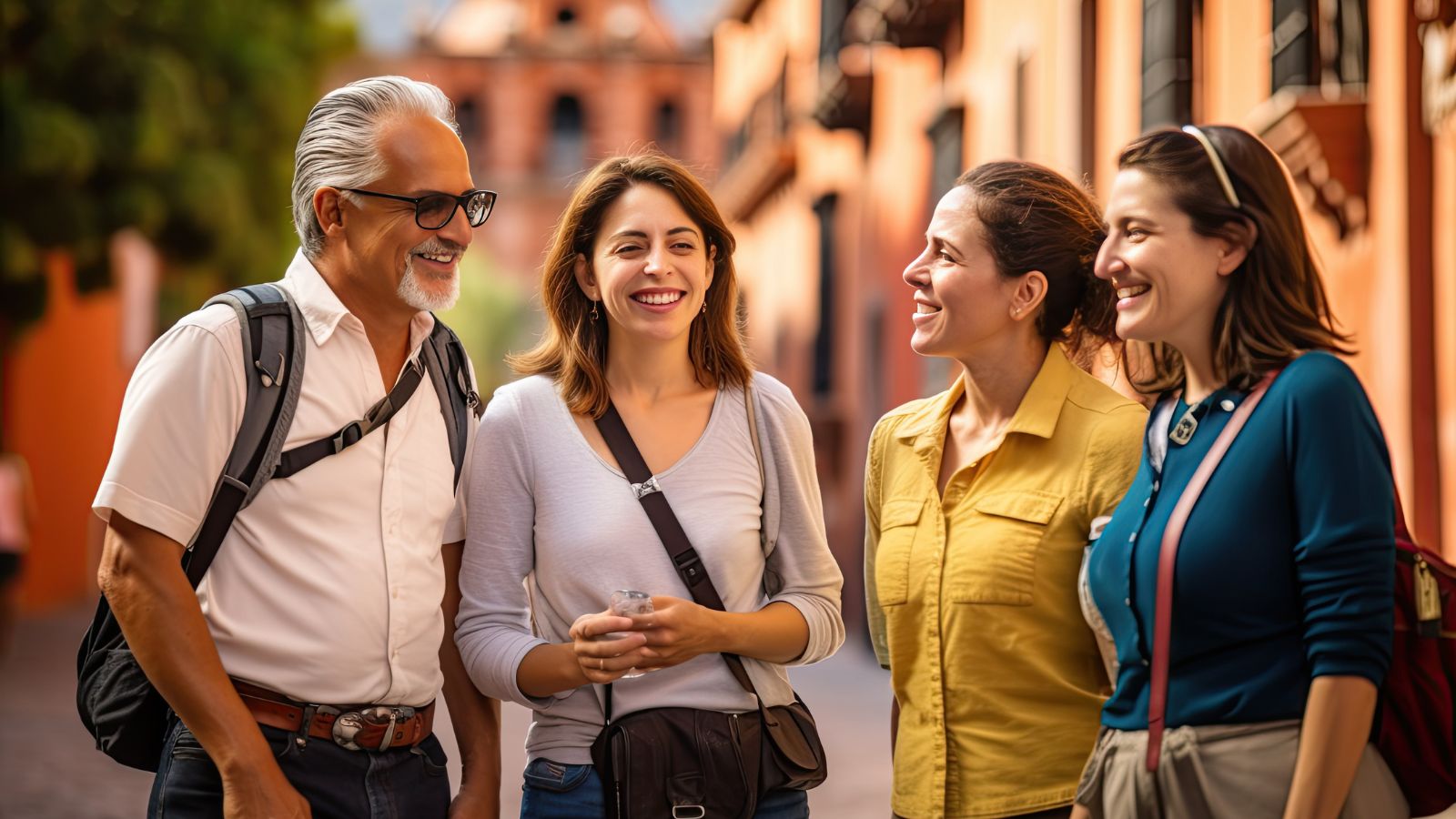
None of this means we should feel unwelcome for traveling. Visitors contribute energy, cultural exchange, and economic support. The difference lies in awareness. When we pay attention to flow, noise levels, and local norms, we blend into the rhythm instead of interrupting it.
Locals tend to be more open when they feel their home is still their own. A little spatial awareness, patience, and courtesy can shift interactions in a positive direction. When tourist behavior respects daily life, hospitality often returns just as naturally.
