Why Eating in Italy Is Not as Simple as Many Tourists Expect
Sitting down for a meal in Italy sounds effortless in theory. We picture sunlit piazzas, handwritten menus, and long, relaxed dinners that unfold naturally. But once we actually take a seat, many of us realize that dining in Italy follows a rhythm and structure that can feel unfamiliar at first. The food may be comforting, but the system around it is more nuanced than we expect.

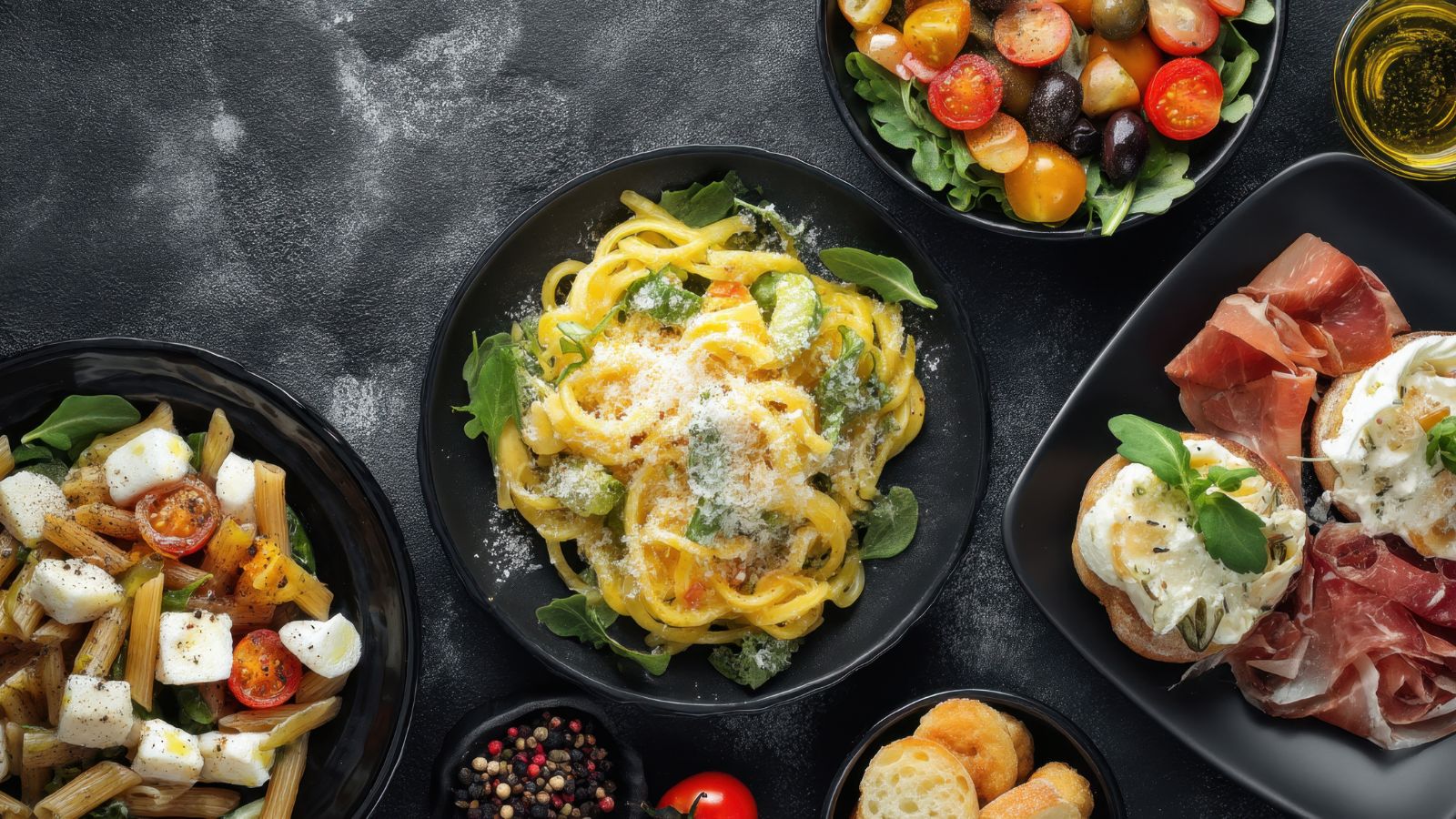
The key difference is that meals in Italy are structured experiences, not quick transactions. Restaurants often follow a traditional course sequence: antipasto, primo, secondo, contorno, and dolce. We are not expected to order every course, but understanding the flow helps us navigate menus that do not always match the appetizer and main dish format we might be used to.
Timing also plays a big role. Italians tend to eat lunch and dinner later than many visitors anticipate. Kitchens may close between lunch and dinner service, meaning we cannot always find a full menu available at mid-afternoon. Showing up too early for dinner can lead to limited options or closed doors, which surprises travelers expecting flexible hours.
Another adjustment involves pace. Meals are meant to be enjoyed slowly, and servers usually will not rush us or bring the check unless we ask. This is not inattentive service; it reflects a cultural norm that sees dining as time to talk and relax. When we expect faster turnover, the experience can feel confusing rather than leisurely.
There are also small etiquette details. Cappuccino is typically a morning drink, not something locals order after a heavy dinner. Bread is often served without butter, and olive oil may not automatically appear on the table. These are not strict rules, but they reflect local habits that shape how meals unfold.
None of this is meant to make visitors feel unwelcome. In fact, many restaurants are patient and accommodating. But when we arrive expecting meals to work exactly as they do at home, we may misread the experience as slow or inconvenient instead of cultural.

Eating in Italy is not difficult, but it is guided by traditions that value timing, structure, and lingering at the table. Understanding that dining here follows its own rhythm helps us adjust expectations and enjoy the experience the way it is meant to be enjoyed.
