Why Flying Feels More Tiring Than It Used To
Many of us step off a flight today feeling more drained than the distance alone would suggest. Even short trips can leave travelers unusually fatigued. This is not just nostalgia talking. Flying really does feel more tiring than it used to, especially through major U.S. airports like JFK, LAX, or Chicago O’Hare.
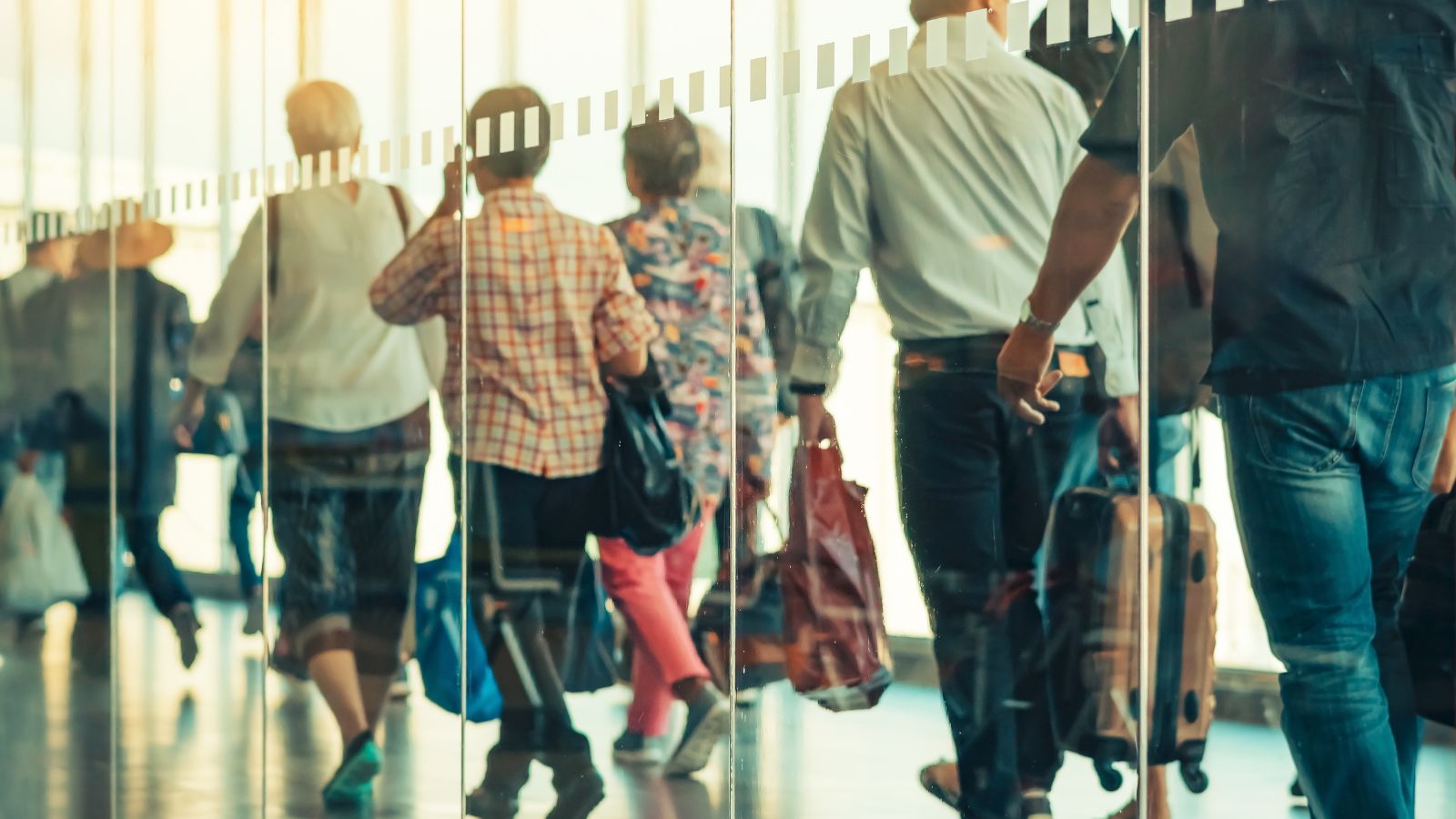
The biggest reason is density. Airports and aircraft are carrying more people through the same spaces. Terminals are busier. Gate areas are tighter. Planes are fuller. The physical and mental effort required just to move from curb to seat has increased, and that effort adds up long before the plane takes off.
We feel it first at the airport. Longer security lines, crowded boarding areas, and limited seating force travelers to stay alert and on edge. Even standing still requires energy when space is tight and noise is constant. The body never fully relaxes. That low-level tension is exhausting, even if we do not notice it right away.
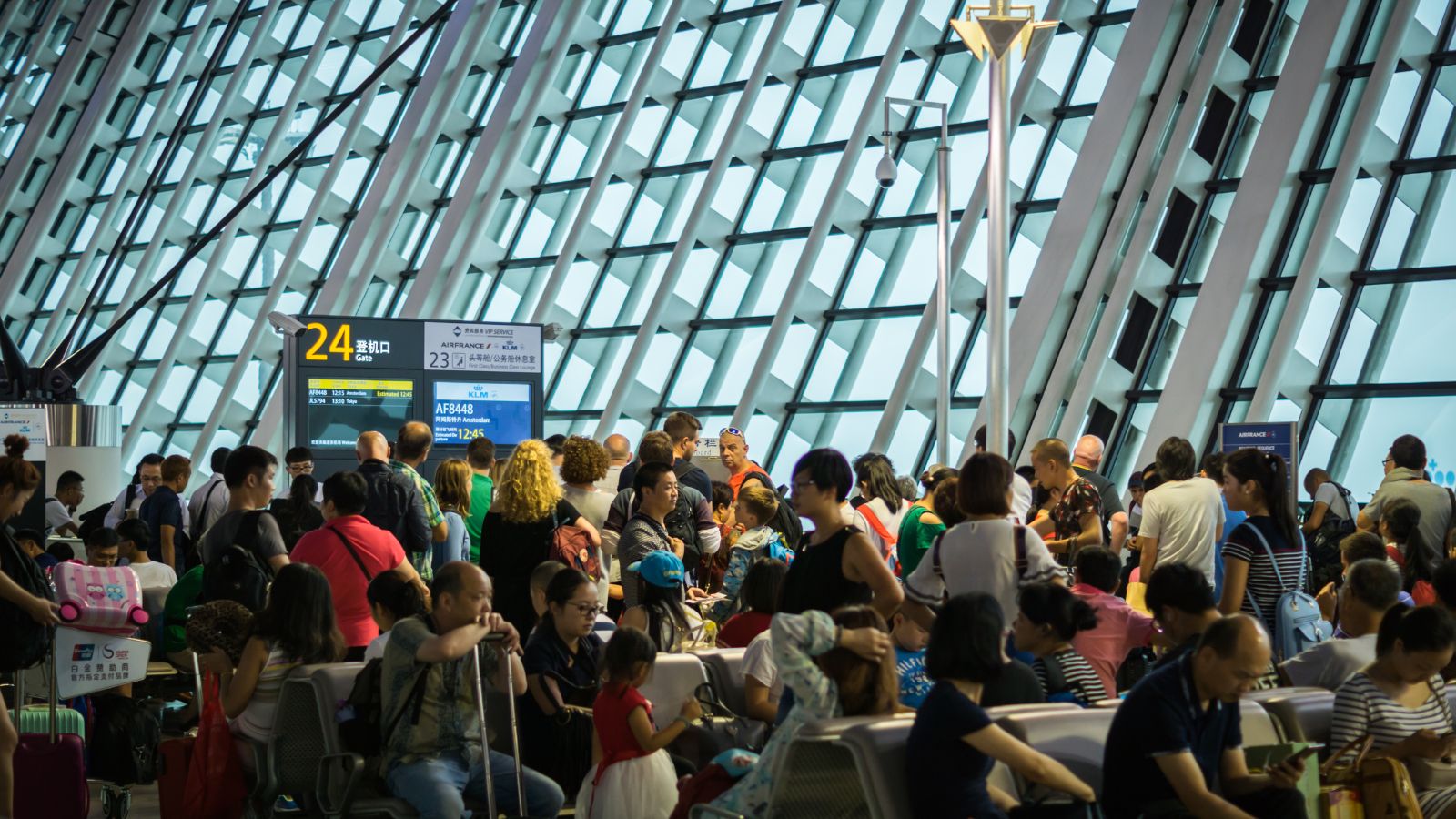
Once onboard, the effect continues. Modern cabins are designed to fit more seats, not more comfort. Legroom is tighter. Armrests are shared. Movement is limited. On full flights out of hubs like Atlanta or Los Angeles, passengers often spend extended periods sitting still before departure. That prolonged stillness contributes to stiffness and fatigue before the journey even begins.
Noise is another quiet drain. Aircraft cabins are filled with layered sound—engines, announcements, conversations, and overhead bins opening and closing. The brain works harder to filter it all out. That constant stimulation increases mental fatigue, even on flights under two hours.
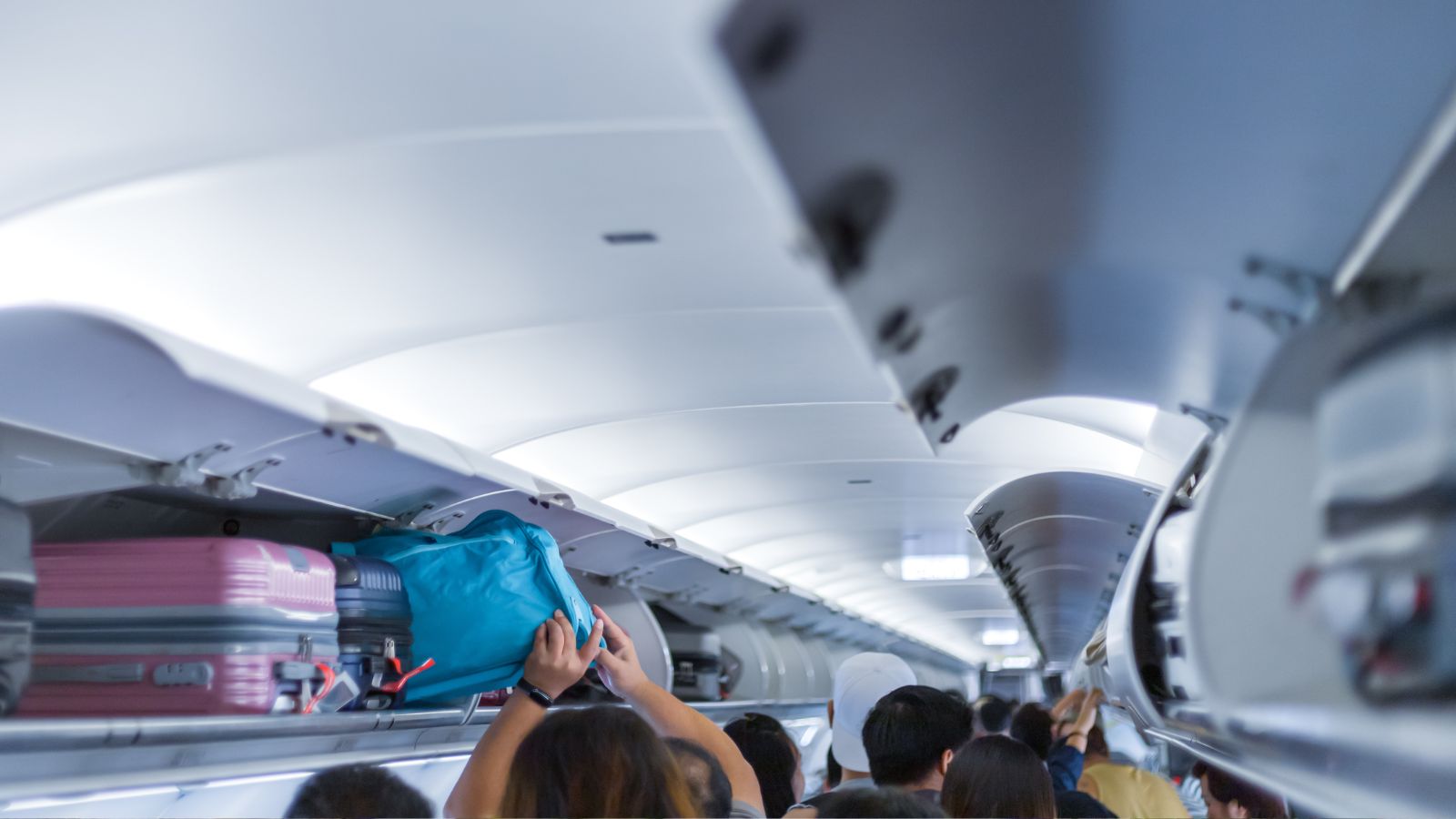
Schedules also play a role. Airlines operate tighter turnarounds to keep planes moving. Boarding feels rushed. Delays feel more stressful because there is less buffer time. We arrive already tired from managing uncertainty, crowds, and compressed timelines.
What makes flying feel more tiring is not one dramatic change, but the accumulation of small demands. More people. Less space. Fewer pauses. The body and mind rarely get a chance to reset.
Knowing this helps us adjust expectations. Fatigue is not a personal failure or a sign of aging. It is a predictable response to denser travel environments. Planning rest before and after flights, staying hydrated, and allowing extra time at busy airports can soften the impact.
Flying has changed. The effort required has increased. Recognizing why it feels more tiring helps us travel smarter, with more patience for ourselves and for the journey.
