Why Food Memories Often Outlast Travel Photos
We take hundreds of photos when we travel, yet years later, it’s often a taste, not an image that comes back first. The dish we didn’t expect to love, the smell drifting from a street stall, the meal shared after a long day of walking. Food memories have a way of sticking with us long after photos fade into camera rolls we rarely revisit.
Part of the reason is how deeply food engages our senses. Photos rely mostly on sight, but eating involves taste, smell, texture, and even sound. When we bite into something unfamiliar, our brain is processing multiple signals at once. That sensory overload makes the moment more vivid and harder to forget. A photo captures a scene; food captures an experience.
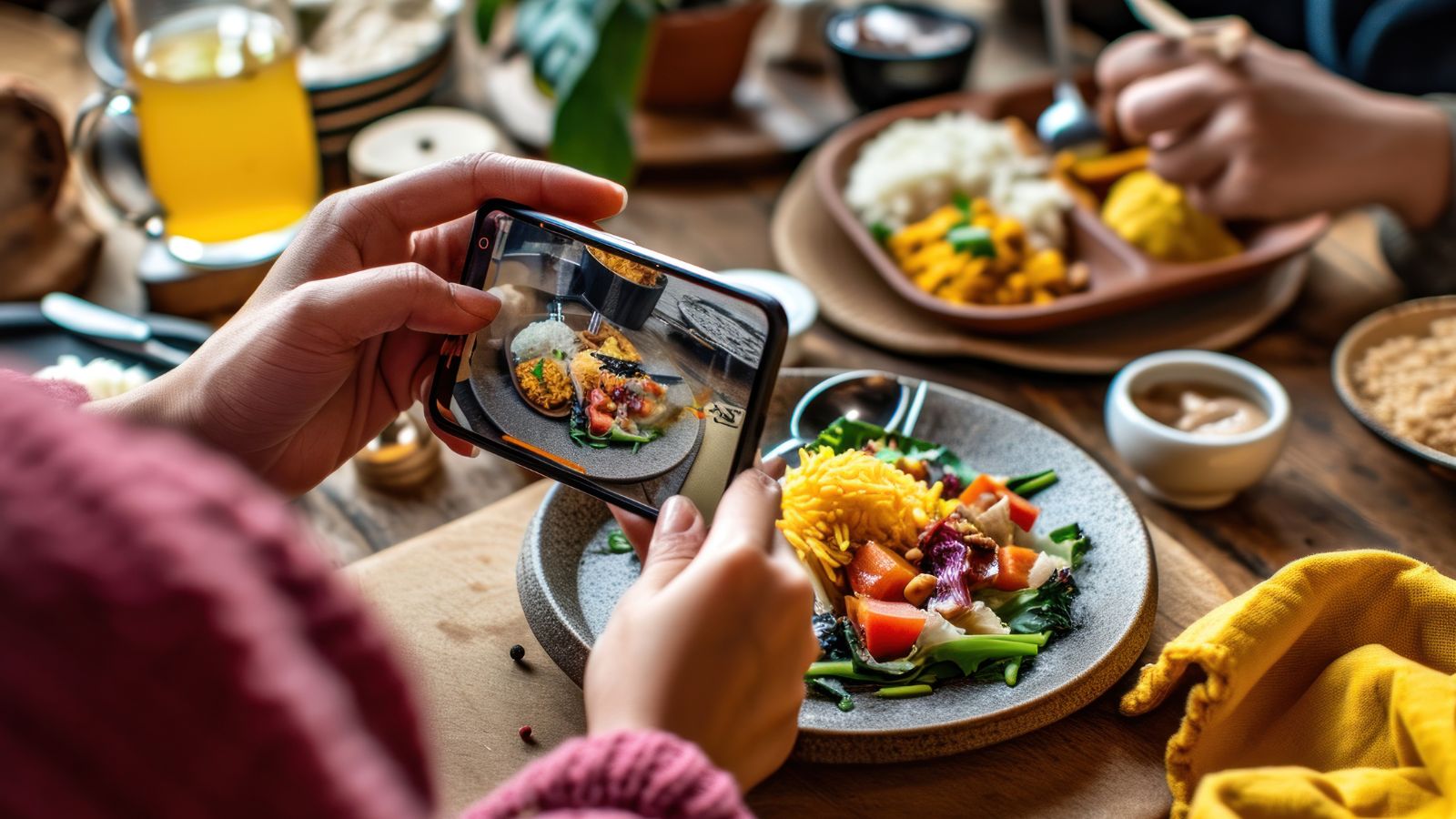
There’s also emotion tied to meals that photos don’t always hold. We often eat at turning points in a trip, our first night in a new country, a late dinner after getting lost, a celebratory meal before heading home. These moments carry relief, excitement, or connection, and the food becomes the anchor for those feelings. Long after we forget where a photo was taken, we remember how that meal made us feel.
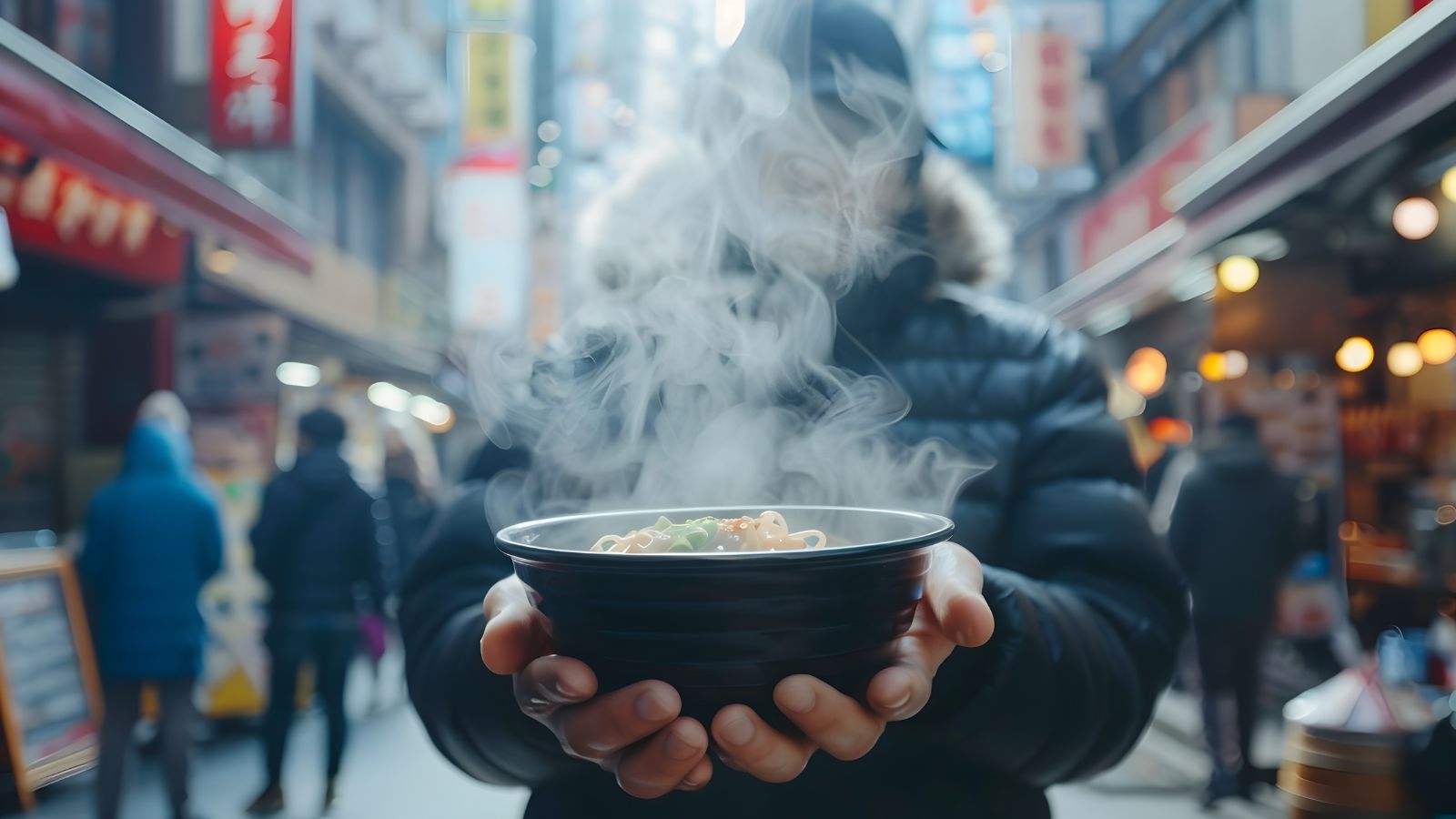
Food memories are also shaped by context. A simple bowl of noodles can taste extraordinary when we’re tired, hungry, and far from home. The same dish eaten back home might feel ordinary, but abroad it becomes unforgettable because of where and when it happened. Our brains don’t separate the flavor from the setting; they store them together.
Photos, on the other hand, can blur over time. When we take too many, individual images lose their power. They start to look similar, especially after multiple trips. Food experiences are harder to duplicate. Even if we eat the same dish again, it rarely tastes exactly the same as it did in that one place, on that one day.
We also tend to talk about food when we tell travel stories. We describe what we ate, how surprising it was, or how much we still crave it. These stories reinforce the memory each time we share them. Photos are often shown once, then forgotten.
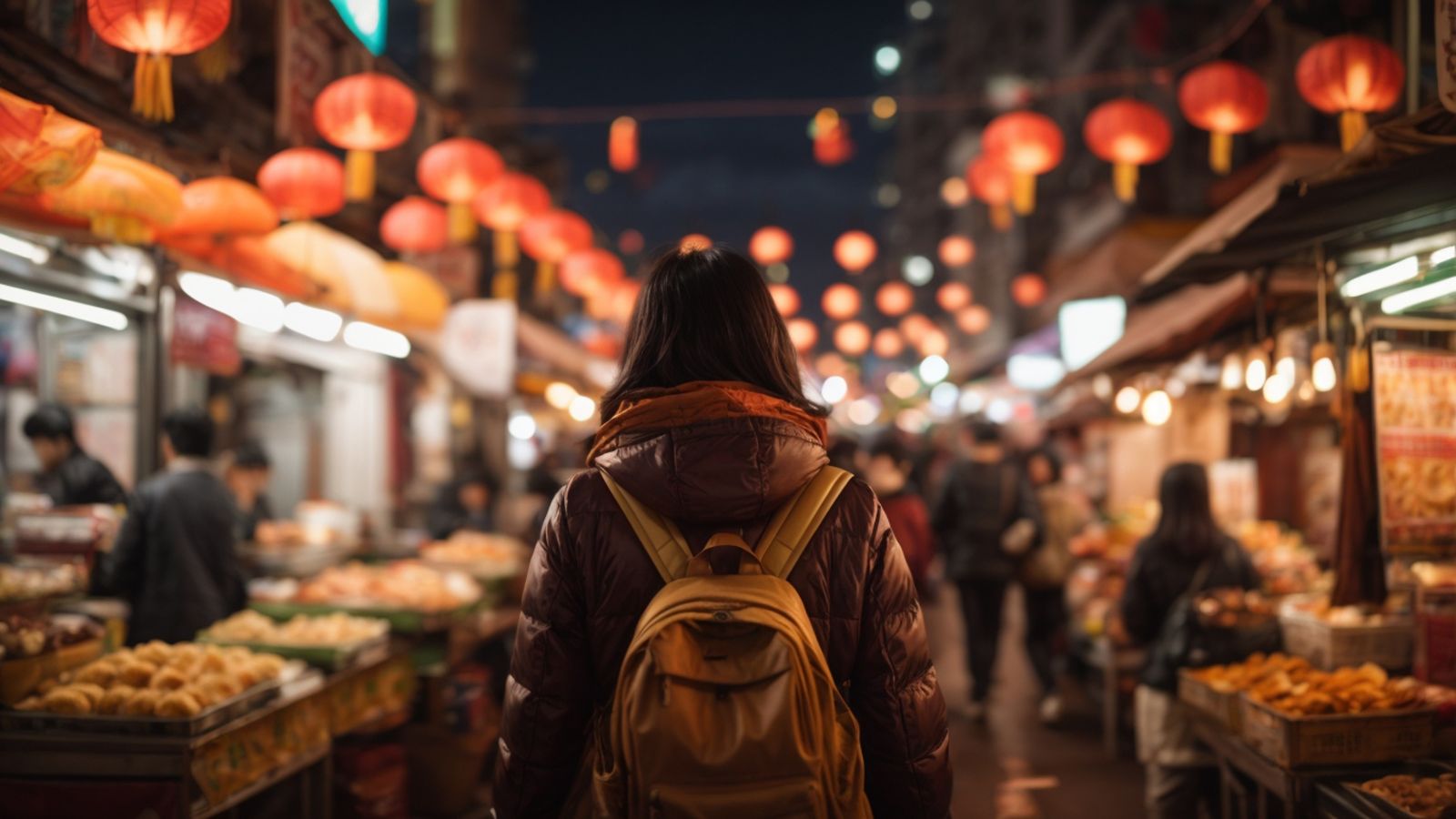
That’s why food memories linger. They’re sensory, emotional, and tied to moments that matter. Long after the photos are buried in storage, the taste of a place can still feel close sometimes just one bite away.
