Why Friday Travel Often Feels More Chaotic Than Expected
Friday looks like the perfect day to begin a trip. The workweek ends, bags are packed, and the weekend is just beginning. Departing on Friday seems efficient. One quick transition from work mode to travel mode.
In reality, Friday is often the most chaotic day to travel.
Airports, highways, and train stations all experience a surge of movement as the week closes. Business travelers are returning home, weekend travelers are departing, and commuters are still finishing the last workday rush. All of these flows collide within the same narrow window of time.
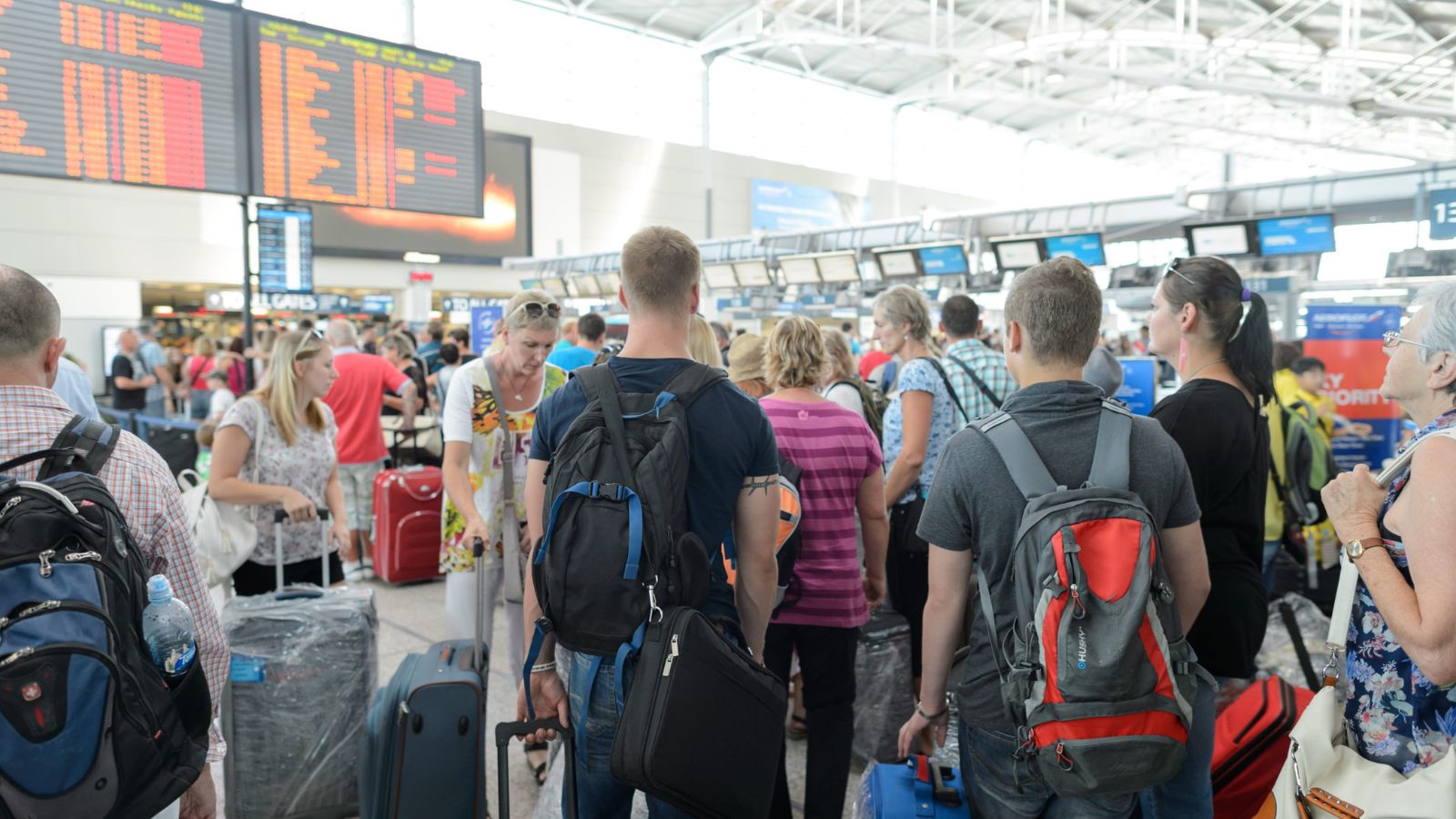
The result is predictable congestion. Airports become crowded earlier in the day as travelers try to leave before evening traffic builds. Security lines stretch longer than usual. Boarding areas fill quickly. Even a small delay can ripple across the schedule because flights are already operating at high capacity.
Road travel faces a similar pattern. Cities experience some of their heaviest traffic on Friday afternoons as commuters head home while weekend travelers begin their drives. Highways leading out of major cities often slow to a crawl, turning what looks like a short drive into a much longer one.
This overlap of workweek routines and weekend departures creates pressure across the entire travel system.
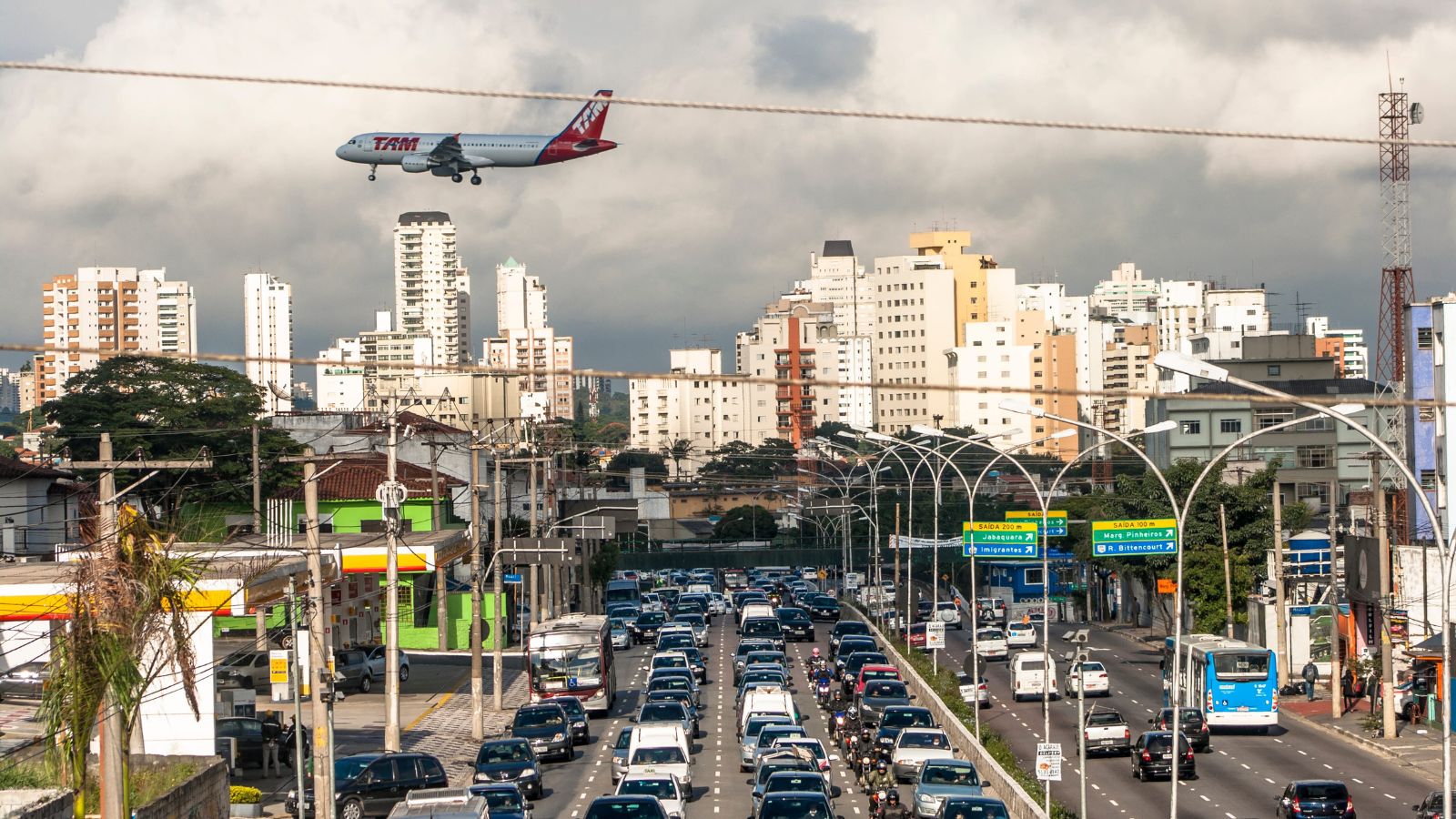
Air travel hubs such as Hartsfield–Jackson Atlanta International Airport and Los Angeles International Airport regularly experience their busiest departure periods on Friday afternoons and evenings. With more travelers moving through the same infrastructure, even minor disruptions can quickly affect schedules.
Weather, aircraft rotations, or late inbound flights all have a greater impact when the system is already crowded. Energy levels also play a role. By Friday afternoon, many travelers are already tired from the workweek. Airports feel louder, lines feel longer, and patience can wear thin more quickly than earlier in the week.

The start of a vacation should feel exciting, not stressful. That is why experienced travelers often avoid the busiest departure windows. Early morning flights, late evening departures, or midweek travel days usually provide a calmer experience.
The difference can be dramatic. Airports move more smoothly. Security lines shorten. Boarding areas feel manageable. The trip begins with far less pressure.
Friday travel is not impossible. It simply carries more moving parts than many travelers expect. Understanding that pattern allows travelers to plan around it. Sometimes the smartest travel decision is not just where to go, but choosing the moment when the journey begins.
