Why Last-Minute International Travel Can Be Risky
Last-minute trips can feel exciting. There’s a sense of spontaneity in booking a flight on short notice and figuring things out along the way. For domestic travel, that approach can sometimes work. But when it comes to international trips, waiting until the last minute often introduces risks that aren’t obvious until it’s too late.
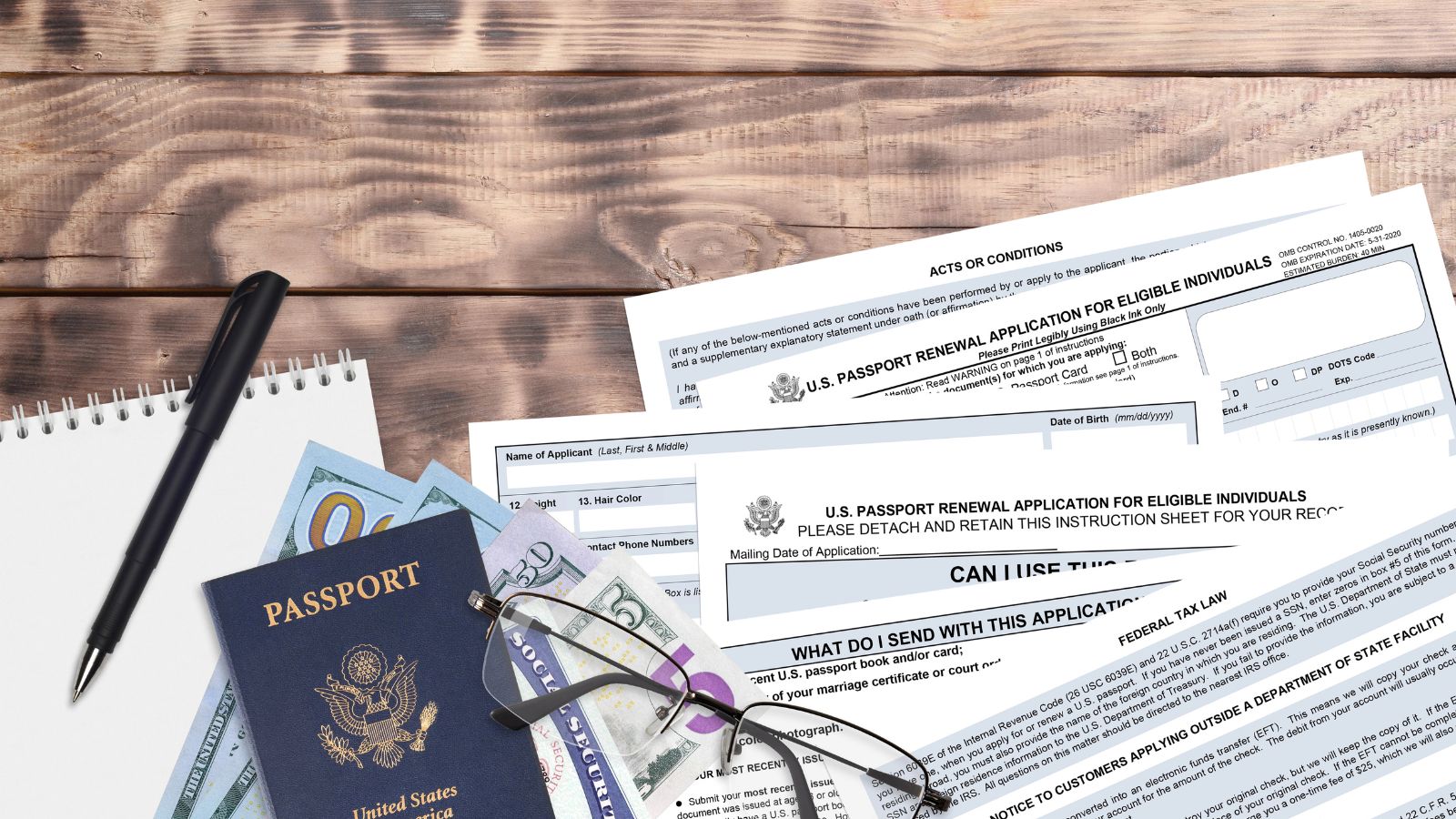
One of the biggest issues is travel documentation. Passports, visas, and entry requirements don’t bend for spontaneous plans. Many countries require passports to be valid for several months beyond the travel date, and some visas take days or weeks to process. Even destinations advertised as visa-free may require online authorizations or proof of onward travel. When plans are rushed, these details are easy to miss, and airlines won’t allow boarding if requirements aren’t met.

Health and entry rules add another layer of complexity. Some countries still require specific vaccinations, health declarations, or insurance coverage. These aren’t things that can always be arranged overnight. Missing a single form or document can mean being denied entry after a long flight or not being allowed to board at all.
Last-minute travel also limits options when problems arise. If a flight is canceled, accommodations fall through, or an entry rule changes, travelers who booked hastily often have fewer alternatives. Flexible tickets and refundable hotels tend to cost more, and cheaper last-minute deals usually come with stricter conditions. What feels like saving time or money upfront can quickly turn into stress and added expenses.
Another overlooked risk is lack of destination awareness. International travel often involves unfamiliar laws, customs, and expectations. Rushed planning means less time to understand local rules, transportation systems, or cultural norms. This can lead to uncomfortable situations, fines, or misunderstandings that could have been avoided with basic preparation.
Even seasoned travelers feel the impact of last-minute decisions abroad. Time zone differences, language barriers, and unfamiliar systems make it harder to fix problems on the fly. What might be a minor inconvenience at home can become a major obstacle overseas.

International travel rewards preparation. That doesn’t mean every detail needs to be planned, but the essentials matter. We recommend giving yourself enough time to confirm documents, entry rules, and logistics before booking flights. Spontaneity can be fun, but when crossing borders, preparation is often what determines whether a trip begins smoothly—or ends before it even starts.
