Why Planning a Vacation to Israel or Iran Right Now Comes With Serious Risks
Ancient cities. Sacred landmarks. Extraordinary food scenes. Under normal circumstances, Israel and Iran offer deeply meaningful travel experiences.
Right now is not a normal circumstance. The single issue travelers must understand is volatility. Not an inconvenience. Not higher prices. Volatility.
Active military tension between Israel and Iran has led to missile exchanges, retaliatory threats, and rapidly shifting security measures across the region. When that level of instability exists, travel conditions can change in hours, not days.
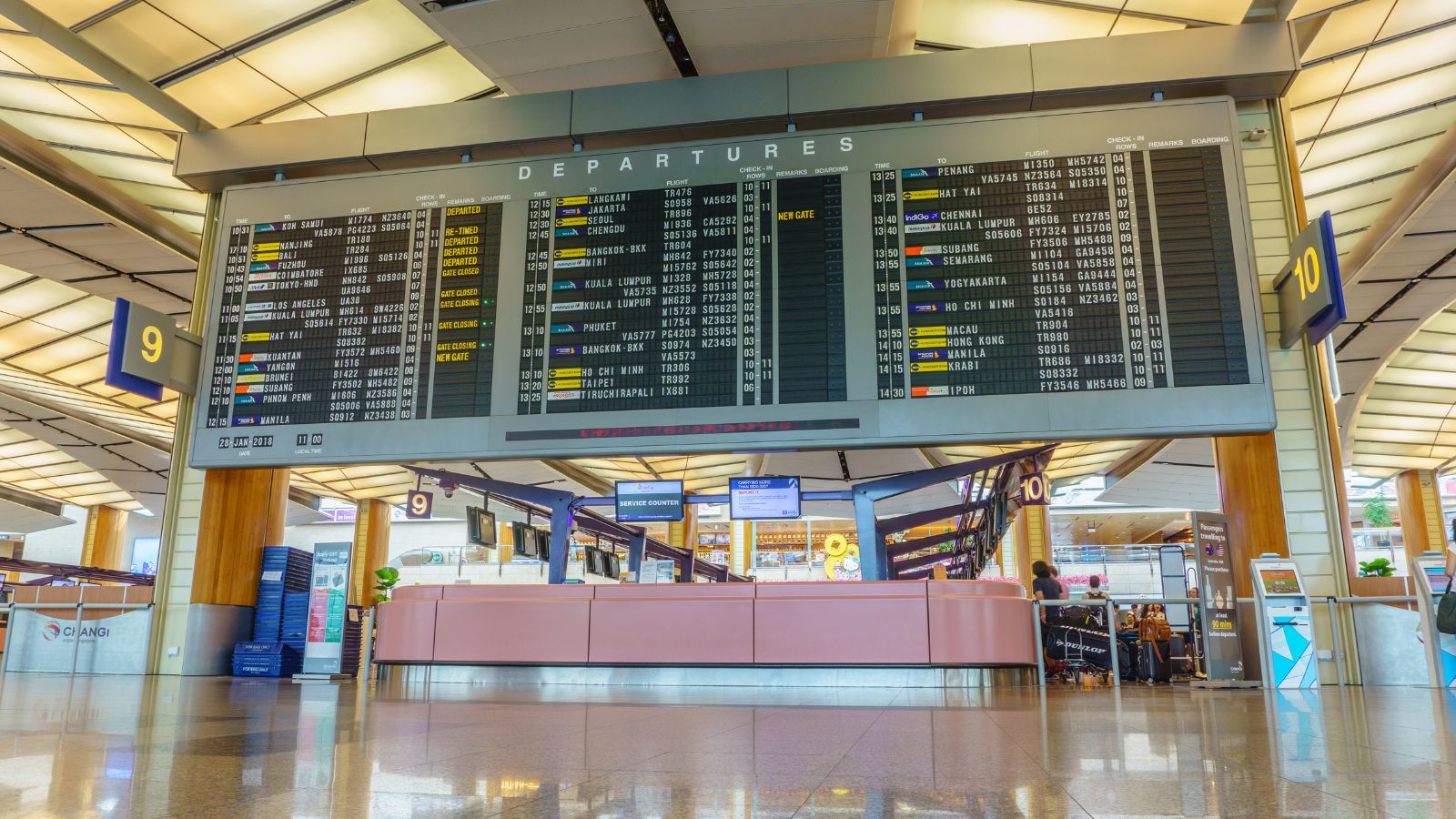
Airspace is the clearest example. Commercial carriers have suspended or reduced service to airports in Tel Aviv and across parts of Iran as security assessments evolve. Surrounding airspace has also faced restrictions at various points, forcing reroutes and cancellations. That means even if a flight is operating when we book it, there is no guarantee it will operate as scheduled when departure day arrives.
Border policies are also fluid.
Governments worldwide have issued elevated travel advisories urging citizens to reconsider or avoid travel to both countries. These advisories are based on credible intelligence assessments, not speculation. When advisories rise, insurance coverage becomes more complex. Some policies exclude claims tied to acts of war or known geopolitical escalation. That can leave travelers financially exposed if evacuation or sudden cancellation becomes necessary.
On the ground, unpredictability increases.
Security alerts, temporary closures, restricted public gatherings, and transportation disruptions are part of the current environment. Tourism infrastructure may technically function, but it operates under strain. Attractions can close without notice. Movement between cities may be limited. Embassy services can become overwhelmed during escalation periods.

We focus on one guiding principle during geopolitical tension, stability matters more than aspiration. Israel and Iran are not disappearing. Their history, culture, and landscapes will remain. Travel is most rewarding when it allows immersion, not vigilance. When we must constantly monitor alerts or contingency plans, the experience shifts from exploration to risk management.
There are moments when postponing is the smartest decision we make. Choosing to delay travel to an active conflict region is not fear-based. It is strategic. It protects our safety, our finances, and the quality of the experience we ultimately want.
Adventure should expand perspective, not test resilience under active military tension. For now, the wiser move is patience. The landmarks will still stand. The stories will still be waiting.
