Why Spicy Food Tastes Hotter Than Expected When You Travel
Many travelers think they know their spice tolerance until they try a spicy dish abroad. What’s labeled mild or medium can feel far more intense than expected, leaving visitors surprised at the table. This isn’t about exaggeration or bravado. Spicy food genuinely hits differently when experienced in its home country, and there are clear reasons why.
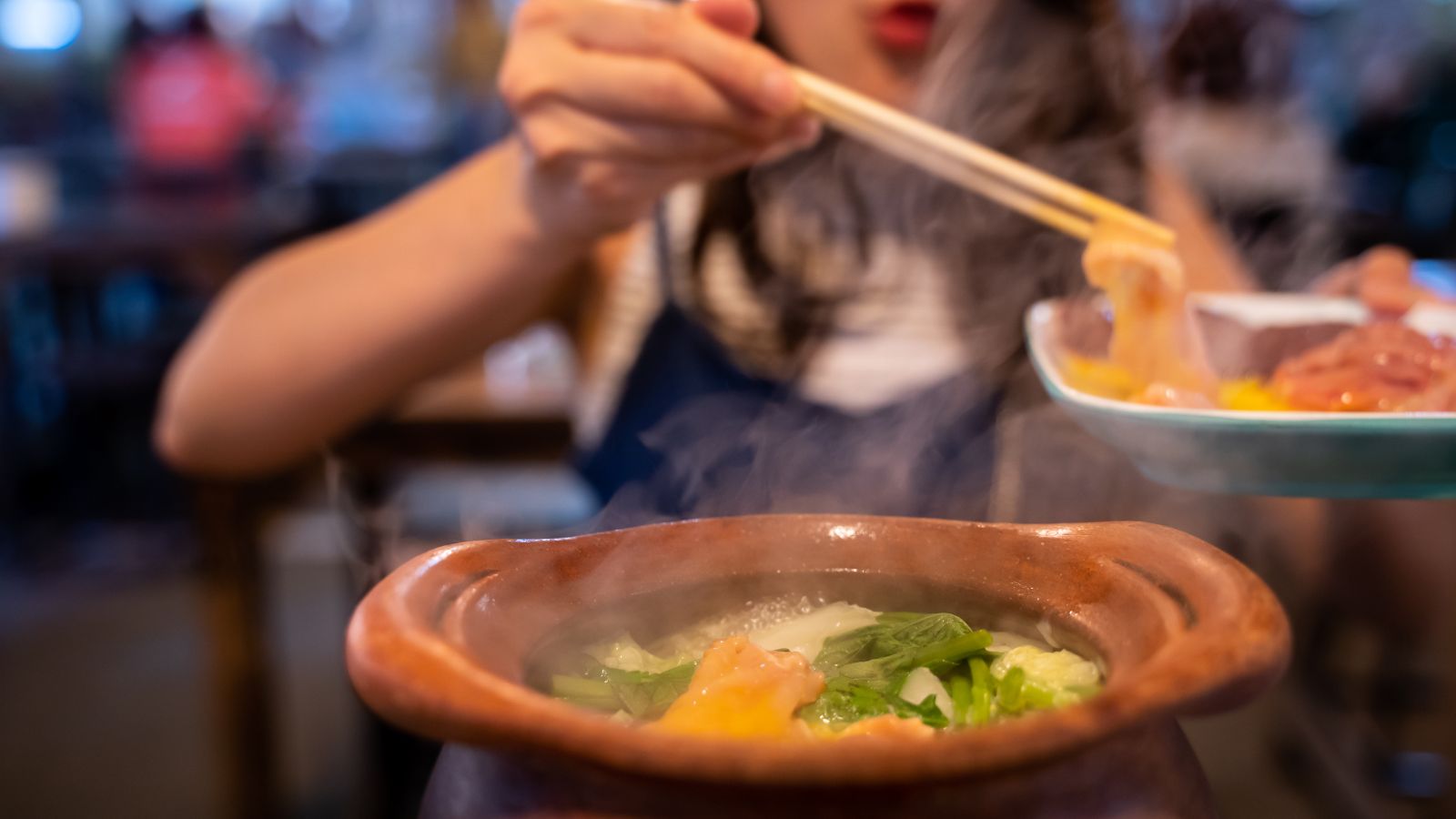
One major factor is local spice standards. In many regions, especially where spicy food is part of daily life, heat levels are calibrated for people who grew up eating these flavors regularly. What locals consider balanced may already be near the upper limit for visitors. Restaurants often cook for local tastes first, not international ones, even when tourists are common.
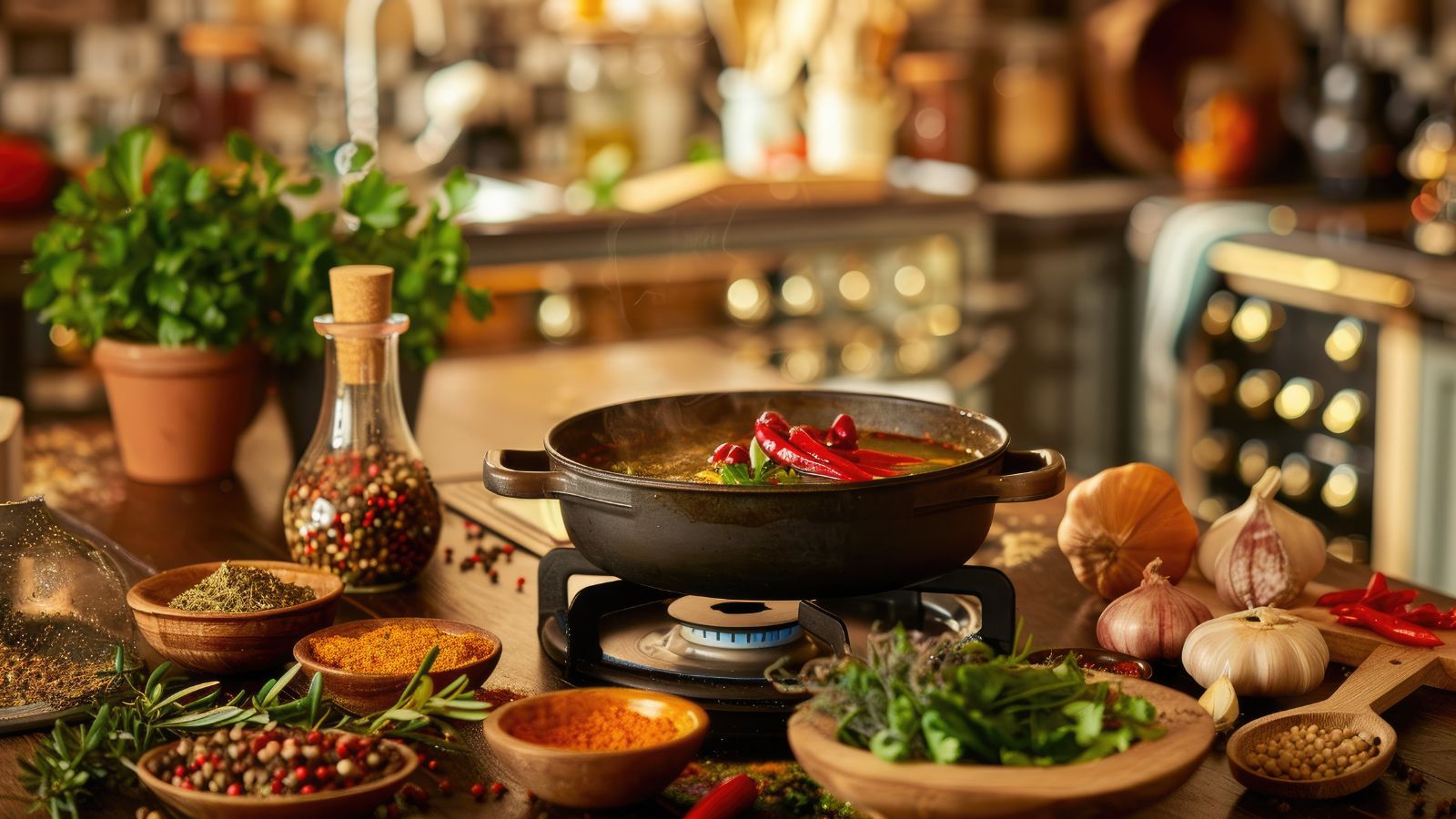
Ingredients also matter. Fresh chilies, chili pastes, and spice blends used locally are often more potent than dried or processed versions found elsewhere. The heat isn’t just sharper, it can be more layered, building slowly rather than hitting all at once. This makes the spice feel stronger and longer-lasting, even if the dish looks familiar.
Climate and context play a role as well. In hotter regions, spicy food is eaten regularly, and locals are accustomed to how heat interacts with temperature and humidity. Travelers, already adjusting to climate changes and jet lag, may feel spice more intensely because their bodies are under mild stress. Hydration, fatigue, and unfamiliar eating schedules all affect how heat is perceived.
Another reason spicy dishes feel stronger abroad is expectation. Travelers often compare what they’re eating to versions they’ve tried at home. But dishes adapted for international audiences are frequently toned down. When the original version appears, the difference can be startling not because it’s extreme, but because it’s authentic.
Language can add confusion too. Words like spicy, hot, or a little chili don’t translate evenly across cultures. What sounds modest may signal something quite bold locally. Servers may warn politely, but their reference point is different.
This doesn’t mean travelers should avoid spicy food altogether. It means approaching it with curiosity and flexibility. Asking how locals eat a dish, starting with smaller portions, or pairing spicy meals with cooling sides can help.
We think spicy dishes feel stronger abroad because they’re meant to. They reflect local habits, ingredients, and expectations, not visitor adjustments. When travelers understand that difference, spice stops feeling like a challenge and starts feeling like insight, one that tells a deeper story about how a place eats and lives.
