Why Transportation Comfort Matters More Than Speed
We often chase speed when we travel. Faster flights. Quicker trains. Shorter drives. It feels efficient. But experience tells us something different. Comfort, not speed, is what most shapes how a journey actually feels.
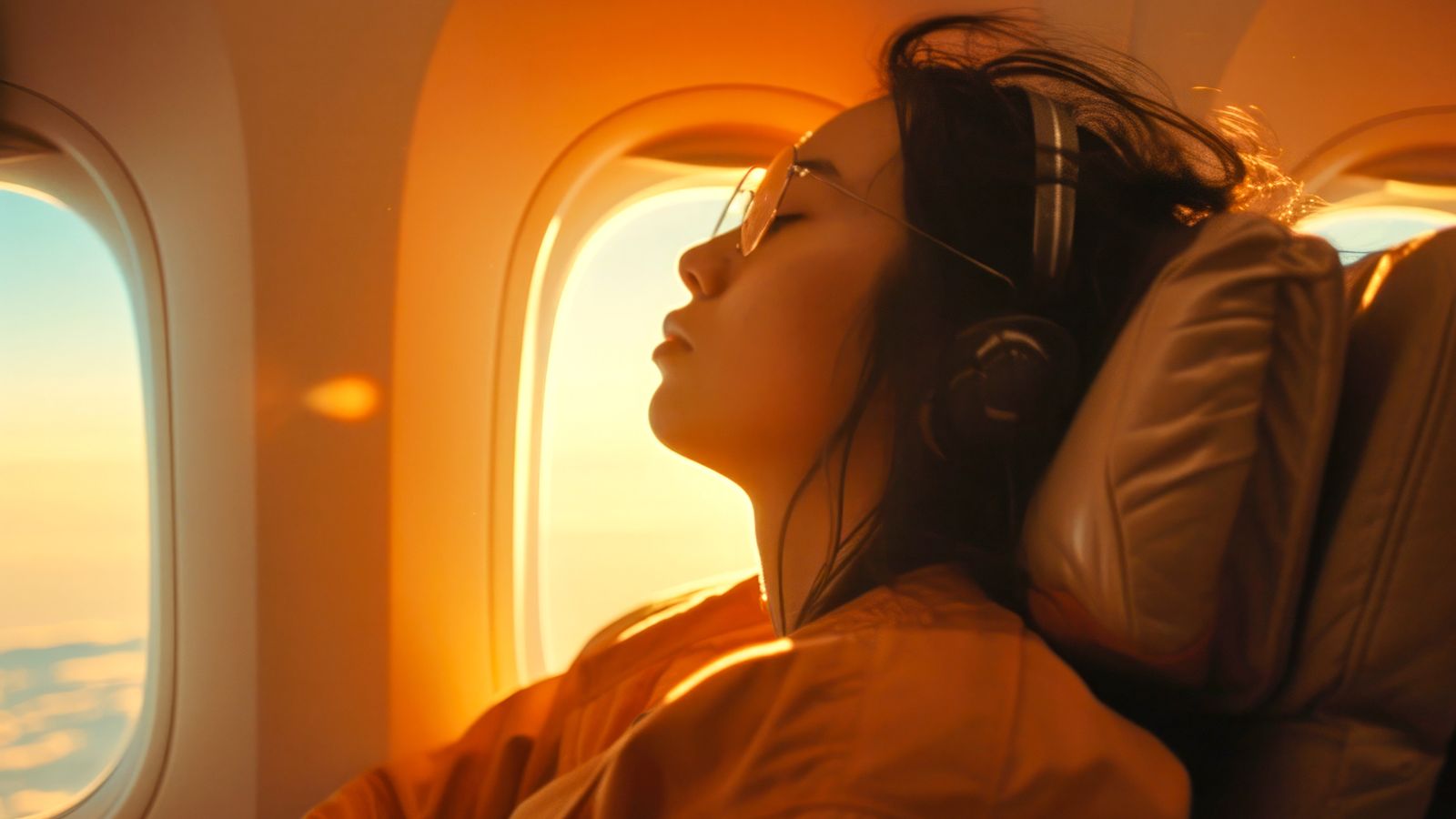
A fast trip that leaves us tense, stiff, or overwhelmed does not save time in any meaningful way. Discomfort lingers. It follows us into the hotel, the meeting, or the first hours of a vacation. When transportation feels rushed or cramped, the body arrives before the mind does.
We see this clearly in air travel. A tight seat on a short flight can feel longer than a spacious seat on a longer one. Limited legroom, poor support, and constant interruptions drain energy quickly. Even when the flight lands early, passengers step off already fatigued. Speed delivered them faster, but comfort would have delivered them better.
The same applies to ground transportation. High-speed trains and express buses promise quick arrivals, but comfort varies widely. Hard seats, poor ventilation, or noisy cabins make every minute feel heavier. A slightly slower option with room to stretch, steady airflow, and a calmer environment often results in a more relaxed arrival.
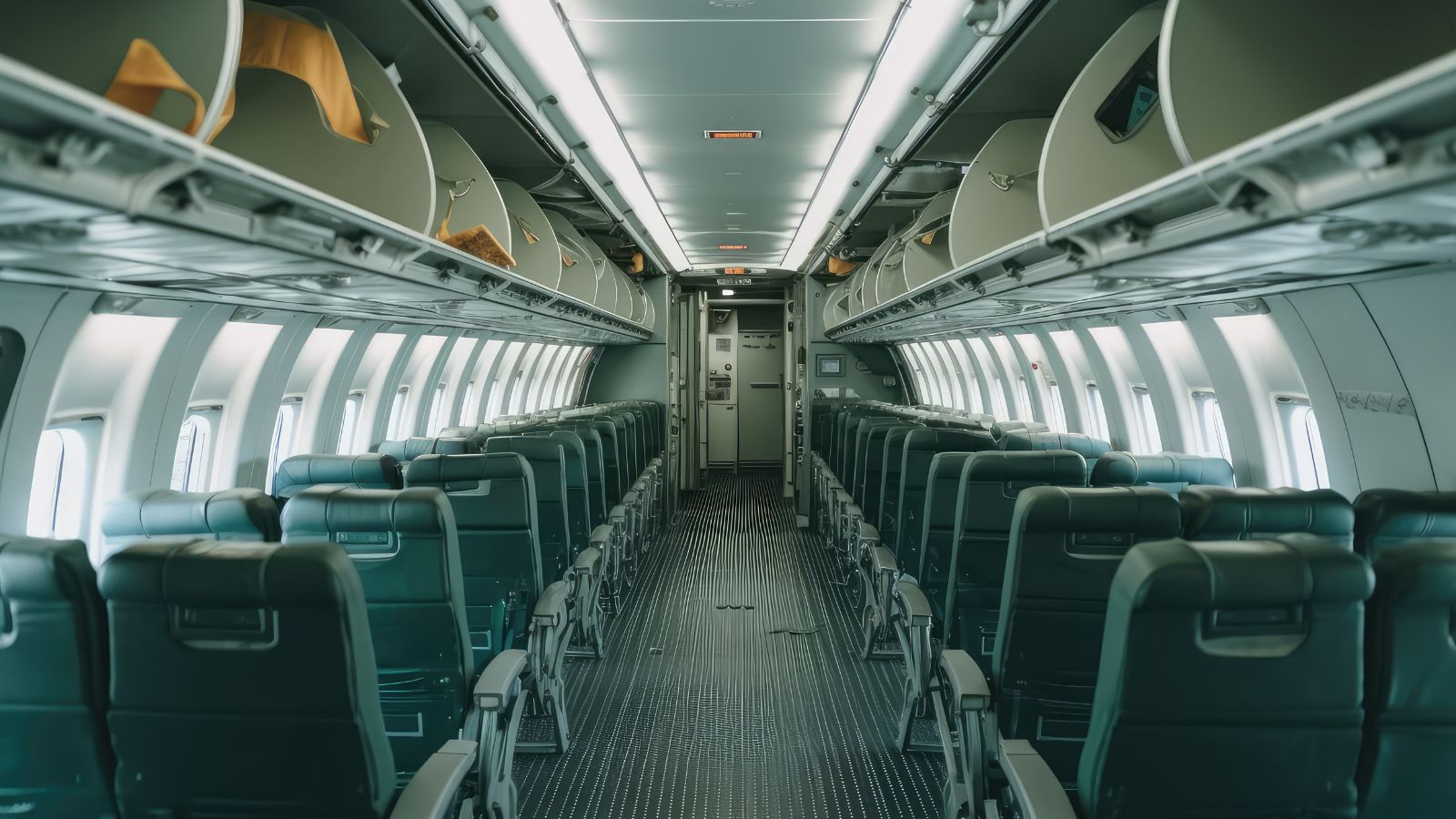
Comfort also affects how we handle delays. When seating is supportive, and space feels manageable, waiting becomes tolerable. When comfort is missing, even small delays feel magnified. Speed matters less the moment something goes off schedule, which is common in travel.
We also underestimate how comfort shapes mood. Cramped spaces shorten patience. Noise raises stress. Limited movement creates irritability. These effects appear quickly, especially when the trip is short, and there is no time to adjust. Comfort acts as a buffer. It absorbs friction that speed alone cannot fix.
Many travelers assume comfort is a luxury. In reality, it is functional. It preserves energy. It supports focus. It reduces recovery time after arrival. Choosing comfort is often choosing clarity and calm, not indulgence.
This does not mean always choosing the slowest option. It means weighing speed against how the journey will feel minute by minute. A slightly longer route with better seating, smoother boarding, or fewer transitions often proves more efficient overall.
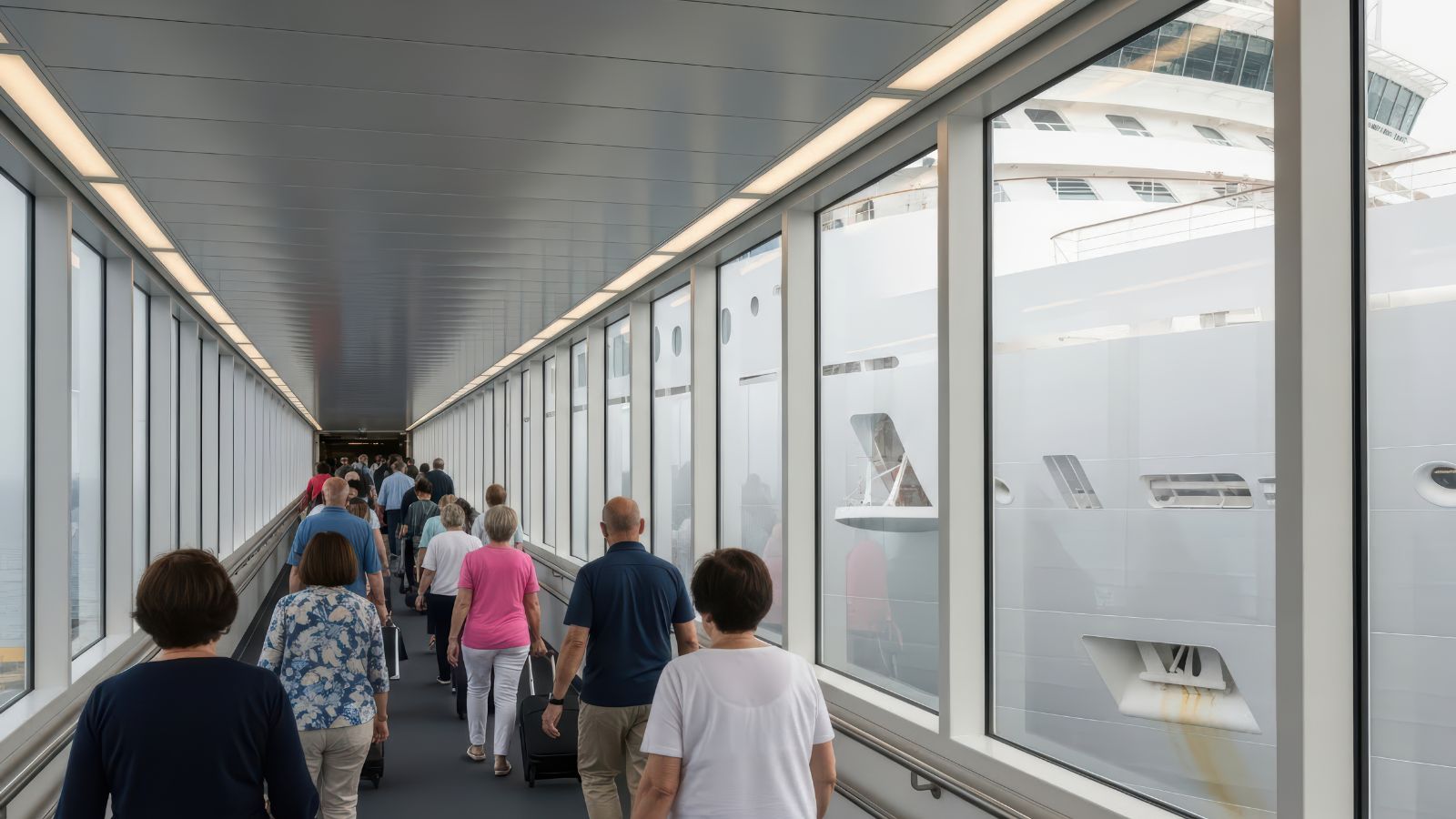
We encourage travelers to ask a simple question before booking. How do we want to arrive? Rushed and relieved it is over, or steady and ready for what comes next?
Transportation sets the tone. When comfort leads to the decision, speed becomes a bonus, not a burden.
