Why Trying to Blend In Abroad Doesn’t Work the Way Travelers Think
Many of us have had the same thought before an international trip: if we dress simply, stay quiet, and copy what locals do, we will blend right in. It sounds respectful and practical. No one wants to stand out as an obvious tourist. But the truth is, trying too hard to disappear abroad rarely works the way we imagine.
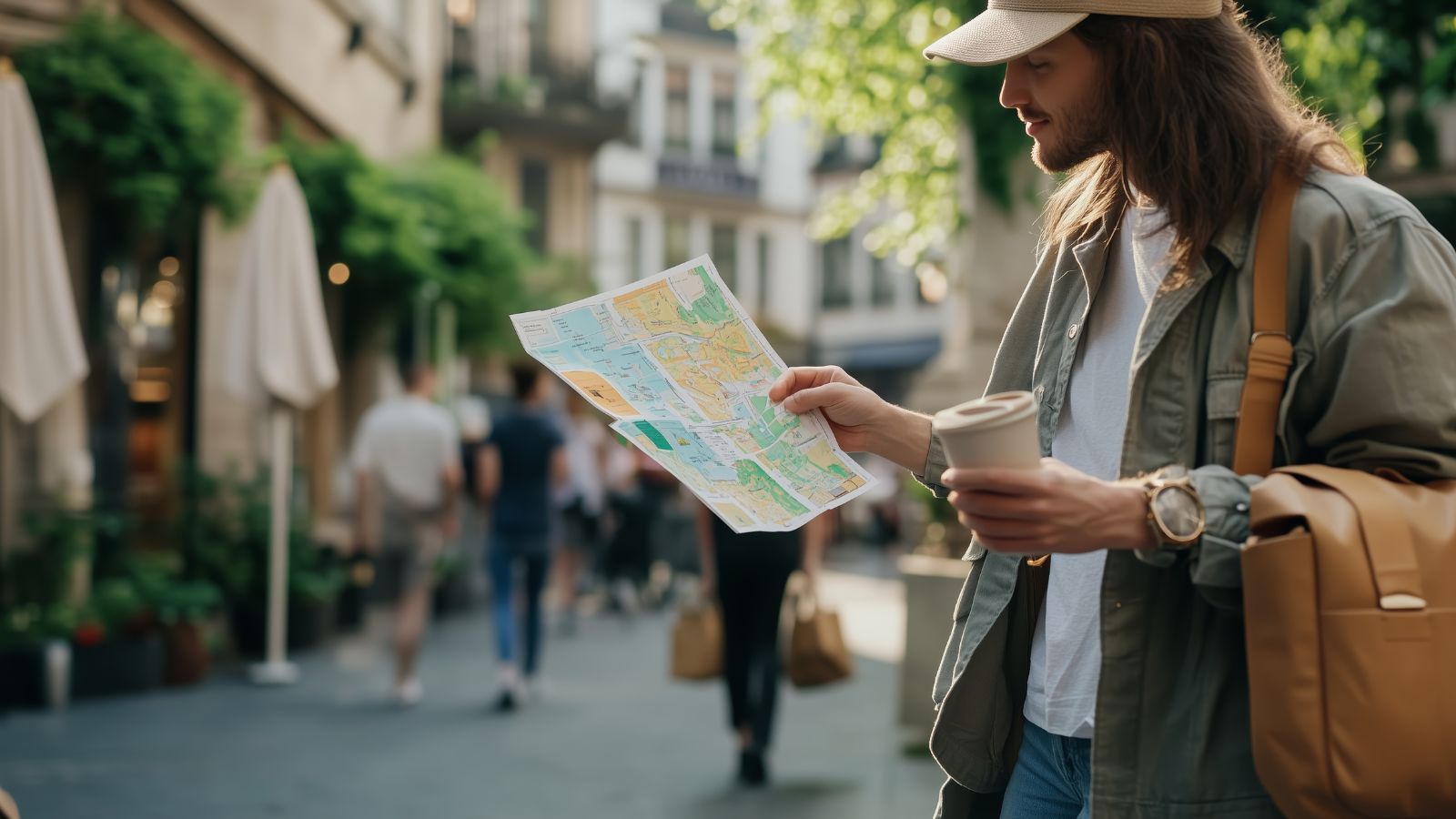
The biggest reason is that being local is more than clothing or posture. Locals move through their environment with unconscious confidence built from years of routine. They know how public transport works without checking signs twice. They understand social rhythms, like when shops close or how long meals usually last. Even small pauses, hesitations, or glances at maps quietly signal that we are visitors.
Language plays a role, too. Even travelers who know a few phrases often reveal themselves through accent, timing, or word choice. That is not a failure. It is simply a reminder that communication includes tone and cultural nuance, not just vocabulary. Trying to sound fully local can sometimes create more confusion than speaking clearly and politely as a visitor.

Behavioral habits also stand out more than we expect. How we queue, how closely we stand to others, how loudly we speak, and how we interact with service staff are shaped by our home culture. We may think we are being subtle, but locals notice these differences immediately because they see them every day.
Ironically, the effort to blend in can create tension. When we focus too much on not looking like tourists, we may become overly self-conscious. That can make us seem stiff or distant instead of relaxed and respectful. Locals are often more comfortable with travelers who are open about being visitors and willing to learn.
This does not mean cultural awareness is unimportant. Learning basic etiquette, dress norms, and polite phrases still matters. The key difference is intention. Instead of trying to pass as local, we can aim to be considerate guests. Respect shows in patience, curiosity, and willingness to follow local rules, not in pretending we belong.
Trying to blend in abroad does not work because belonging comes from lived experience, not imitation. When we shift our goal from invisibility to respect, travel becomes more authentic. We stop worrying about hiding and start focusing on connecting, which is often what locals appreciate most.
