9 U.S. States Where Nature Steals the Spotlight
Some trips are shaped by cities, dining scenes, or cultural calendars. Others revolve around landscapes that quietly take over the entire experience. In certain parts of the United States, nature is not a side activity. It is the main reason people go.
These are states where scenery influences how days unfold. Drives become part of the plan. Hikes replace crowded attractions. Even downtime tends to happen outdoors, whether that means sitting near water, watching weather move across open space, or adjusting plans around daylight and seasons.
For couples, destinations like this often feel grounding. They simplify decisions and lower the pressure to see everything. When nature sets the pace, itineraries loosen and time together becomes the focus rather than constant movement.
We have narrowed in on 9 U.S. states where nature steals the spotlight. These are places where landscapes shape travel in a meaningful way and where planning around the outdoors leads to trips that feel calmer, more intentional, and easier to enjoy together.

Alaska
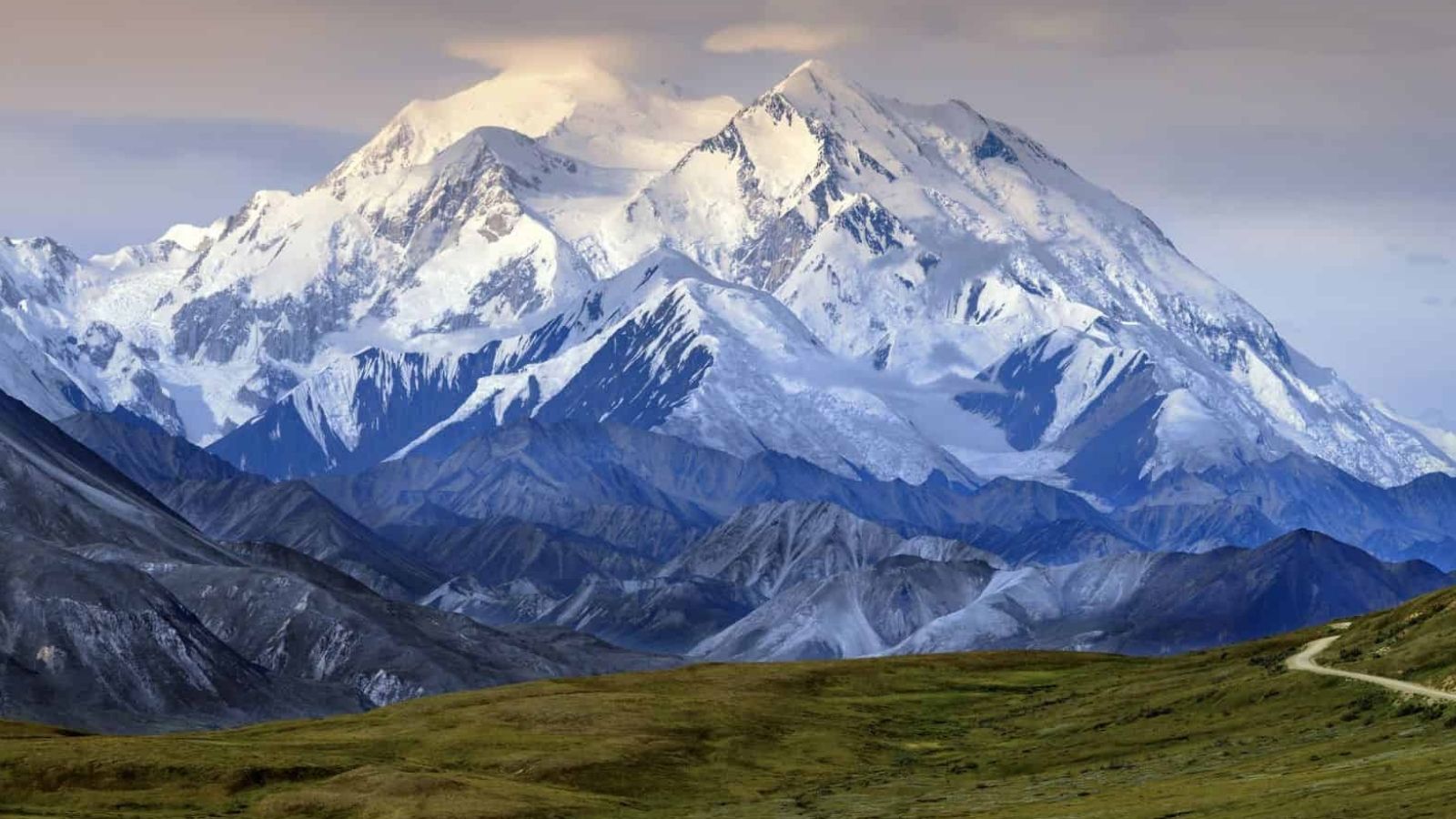
Alaska is defined by scale. Distances are vast, roads are limited, and nature dictates both timing and movement. Glaciers, mountains, and wildlife are not side trips but the core of the experience. Towns feel small and functional, serving as gateways rather than destinations. Weather and daylight shape plans more than schedules do, encouraging flexibility and patience.
Takeaway: Alaska trips feel more manageable when you choose one region and build days around conditions rather than mileage.
Utah
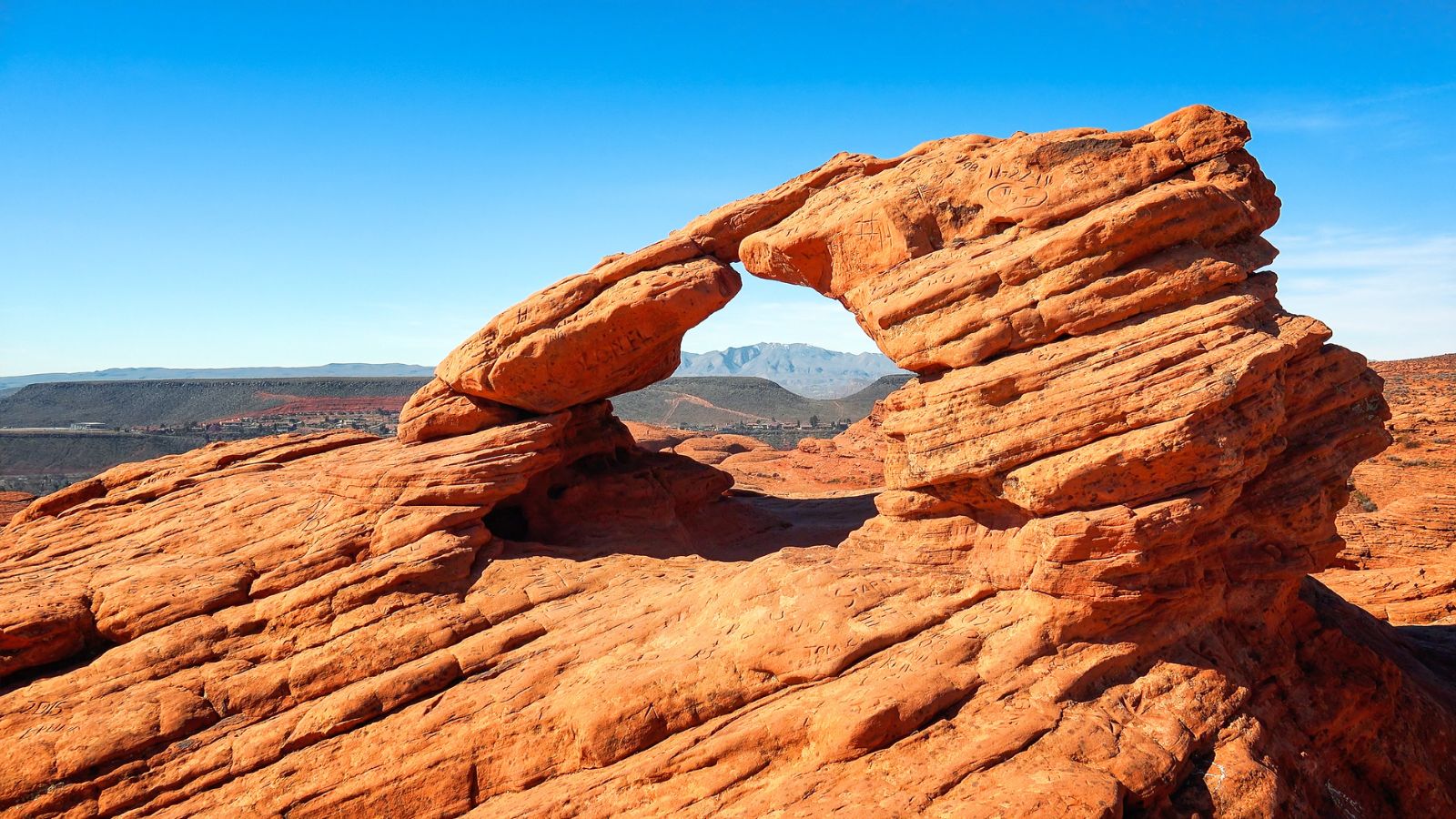
Utah’s landscapes dominate every drive. Red rock formations, canyons, and high desert plateaus appear suddenly and stay present throughout the day. National parks anchor travel, but even stretches between them feel intentional. Towns are practical bases rather than focal points, and daily pacing revolves around light and heat.
Takeaway: Utah rewards early starts and fewer stops per day, letting scenery guide timing instead of rigid itineraries.
Hawaii
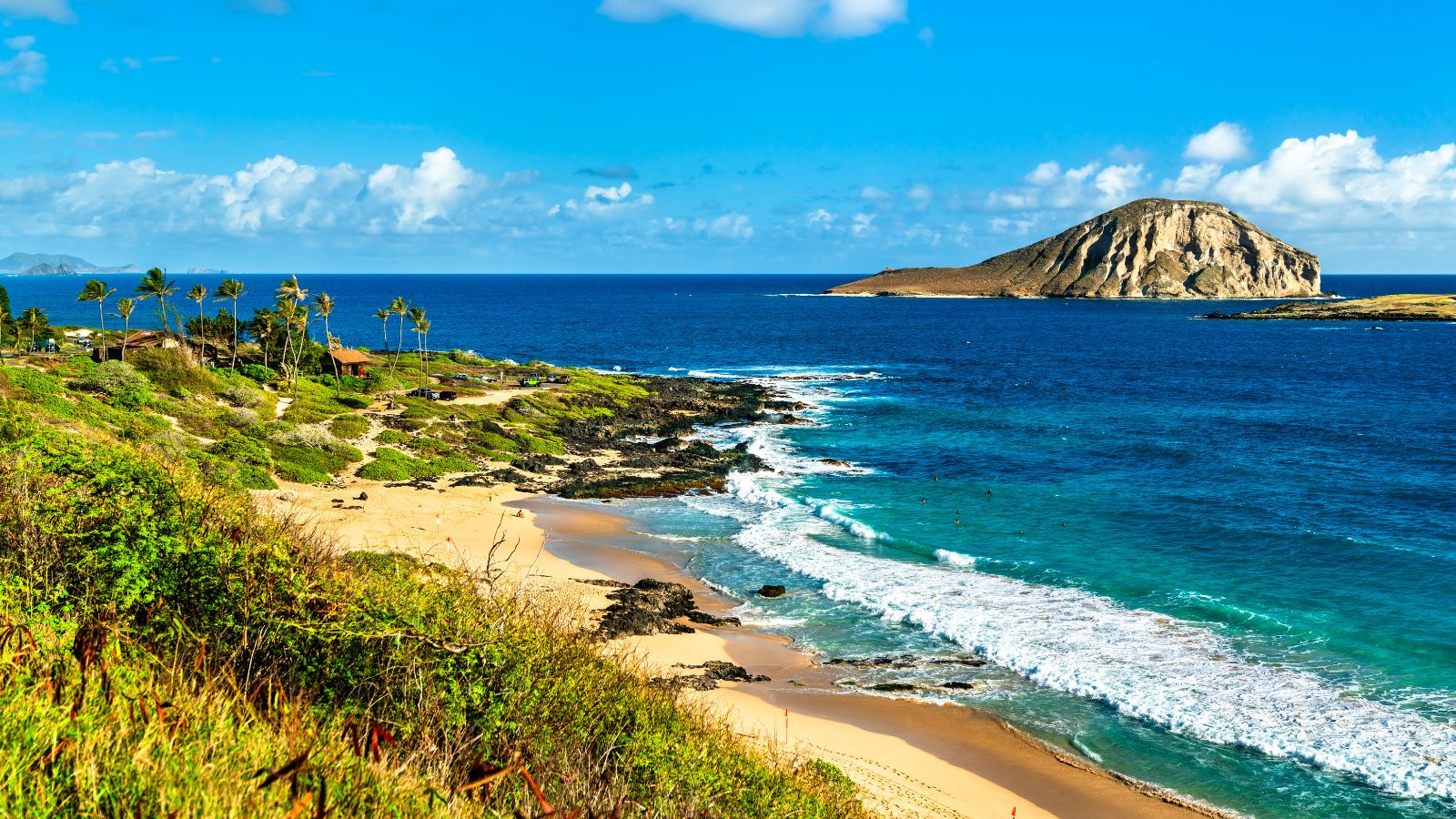
Hawaii’s natural variety shapes how days unfold. Volcanic terrain, rainforest, beaches, and high elevations exist within short distances, yet moving between them takes time. Weather changes quickly, and local rhythms encourage slowing down rather than packing schedules. The islands feel best when experienced as places to stay, not places to cover.
Takeaway: Hawaii trips are more satisfying when you limit island hopping and spend longer in one area.
Wyoming
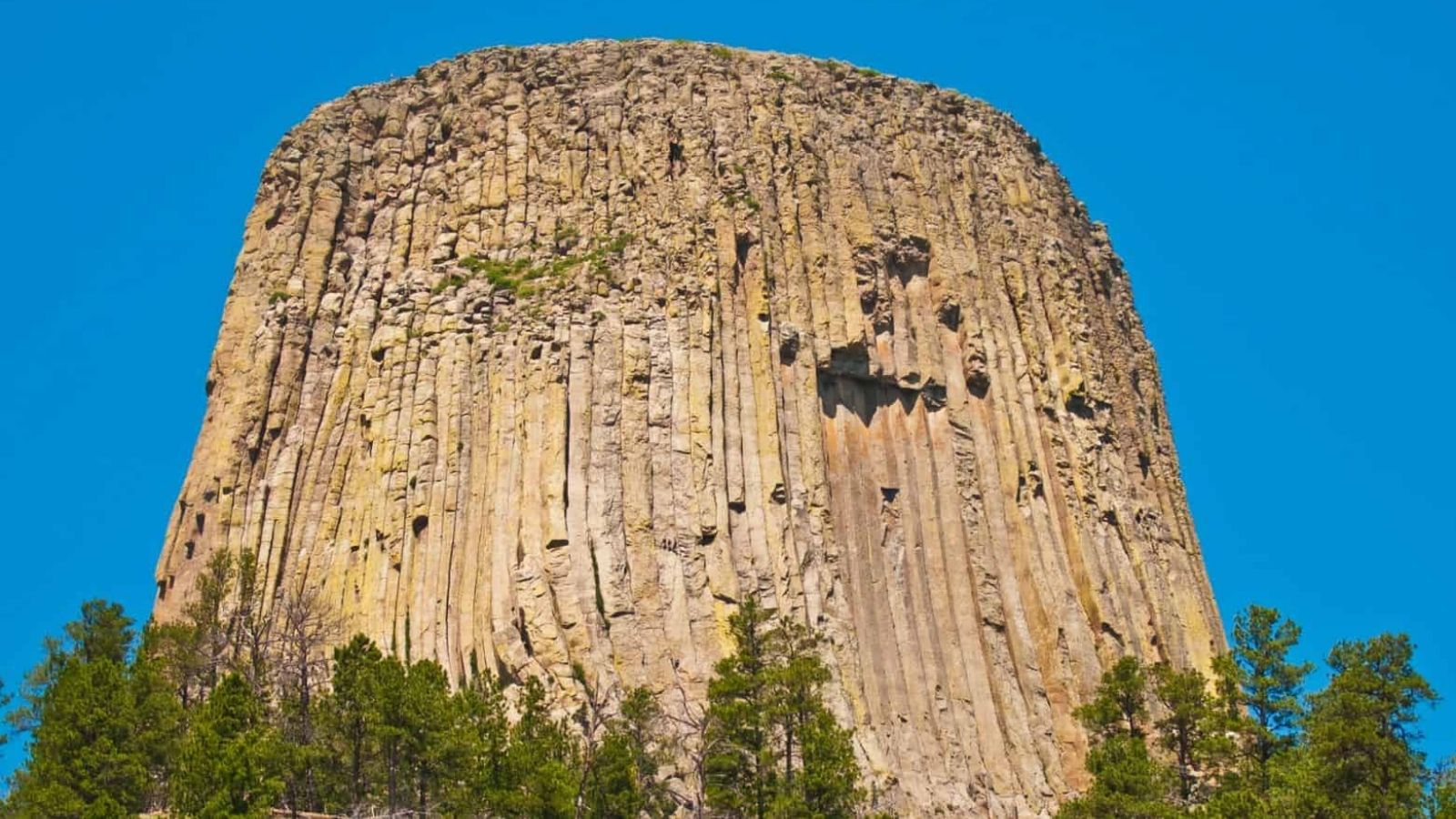
Wyoming’s identity is tied to open space and geological drama. Mountain ranges, geysers, and wide valleys command attention, often leaving towns as brief pauses rather than highlights. Distances are long, and services can be sparse, reinforcing the sense that nature sets the terms. Quiet stretches become part of the appeal.
Takeaway: Wyoming travel works best when you plan fuel, lodging, and daylight carefully, then let the landscape set the pace.
Montana
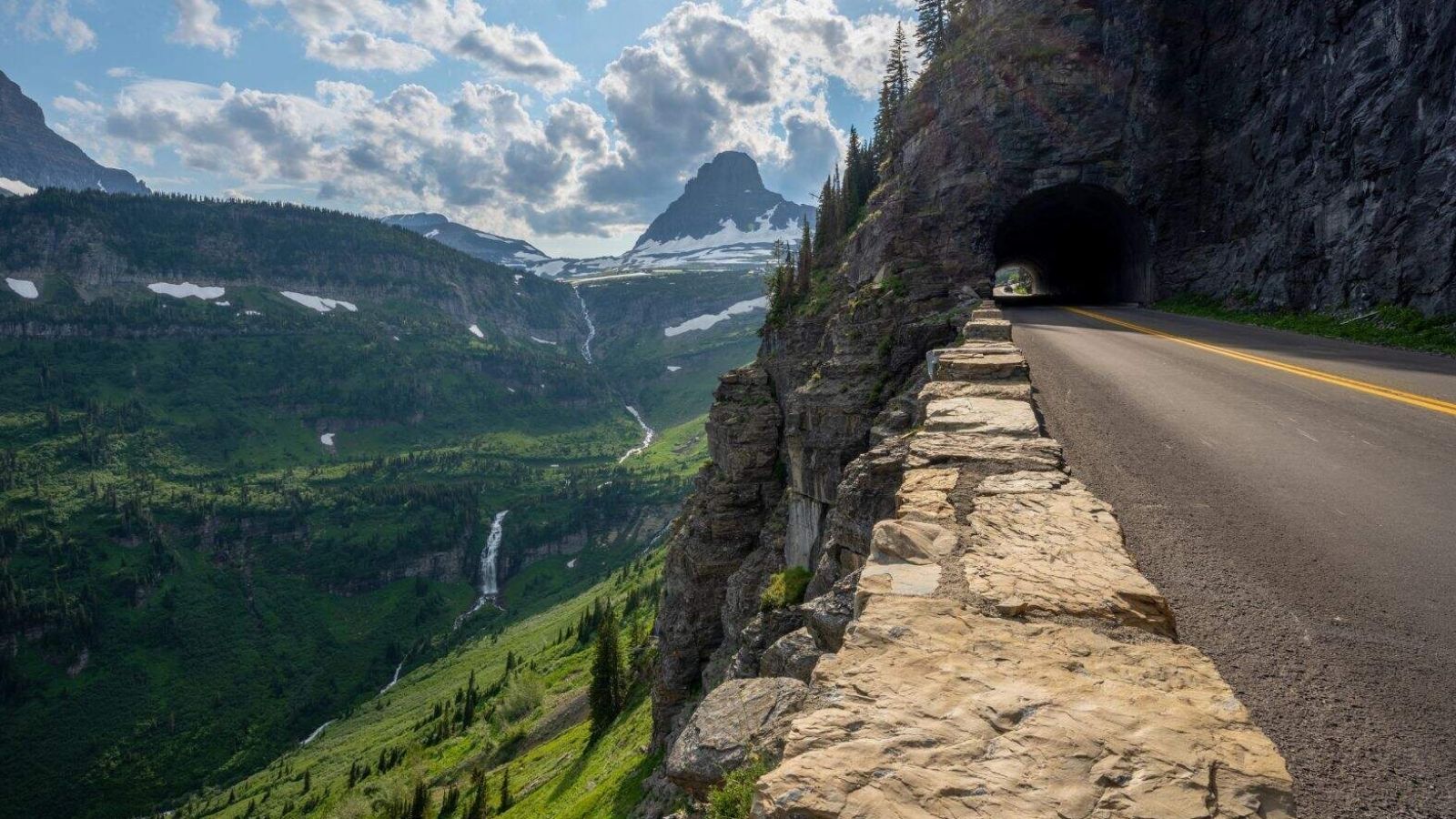
Montana feels expansive even when you stop moving. Big skies, mountain backdrops, and long roads encourage steady travel without urgency. Glacier National Park draws attention, but the surrounding countryside holds equal weight. Towns feel spaced out and self-contained, reinforcing a slower rhythm.
Takeaway: Montana is most rewarding when you allow extra time between destinations and resist the urge to rush long drives.
California
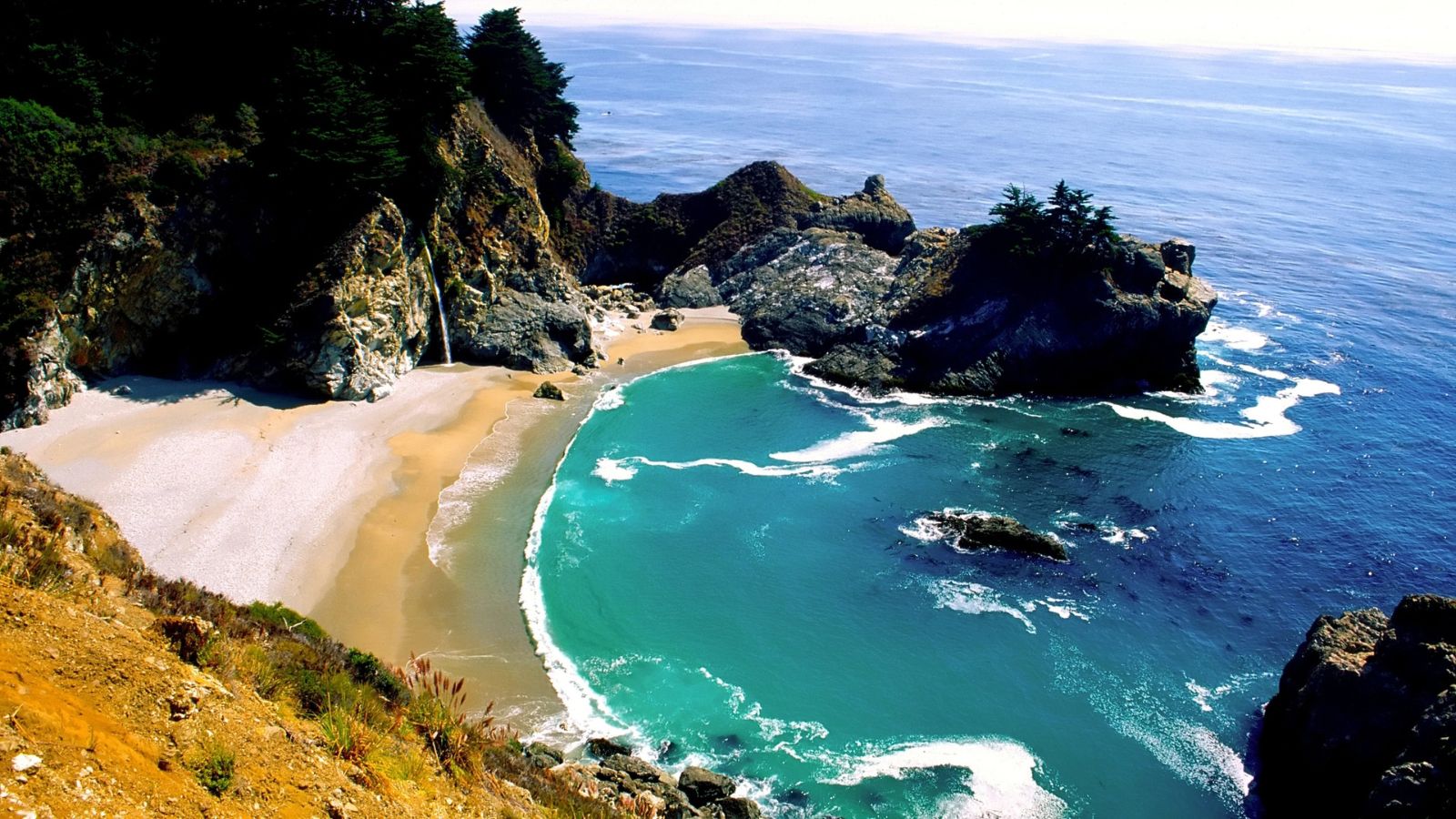
California’s scale and variety keep attention on the landscape rather than any single city. Coastal cliffs, mountain ranges, deserts, and forests sit within the same state, often shaping entire trips around geography. Drives become part of the experience, especially where scenery changes quickly. Nature competes with urban areas and often wins, particularly outside major metros.
Takeaway: California trips feel more grounded when you focus on one region and let drives and scenery shape the itinerary.
Colorado

Colorado’s elevation defines how travel unfolds. Mountain passes, alpine towns, and wide valleys create a steady rhythm shaped by weather and altitude. Outdoor access feels immediate, with trailheads and open space close to even small towns. Plans often adjust naturally to conditions rather than strict schedules.
Takeaway: Colorado is best experienced when itineraries stay flexible and allow time for altitude and weather changes.
Washington
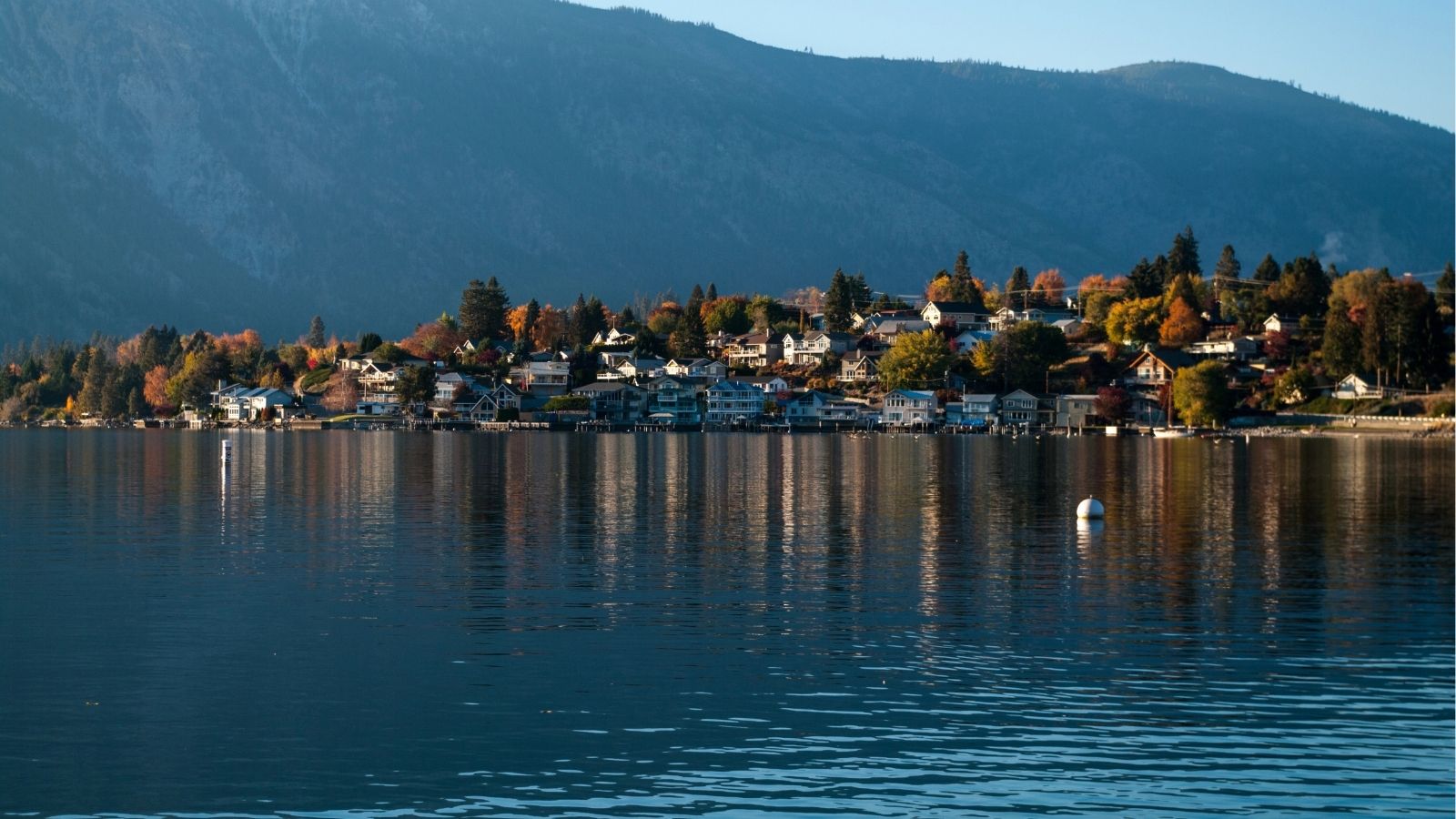
Washington’s natural contrasts stand out within short distances. Rainforests, rugged coastline, and snowcapped peaks coexist, shifting the feel of each day. The landscape often dictates route choices and timing, especially outside cities. Quiet stretches and changing light become central to the experience.
Takeaway: Washington rewards travelers who plan fewer stops and let weather and scenery guide daily movement.
Maine
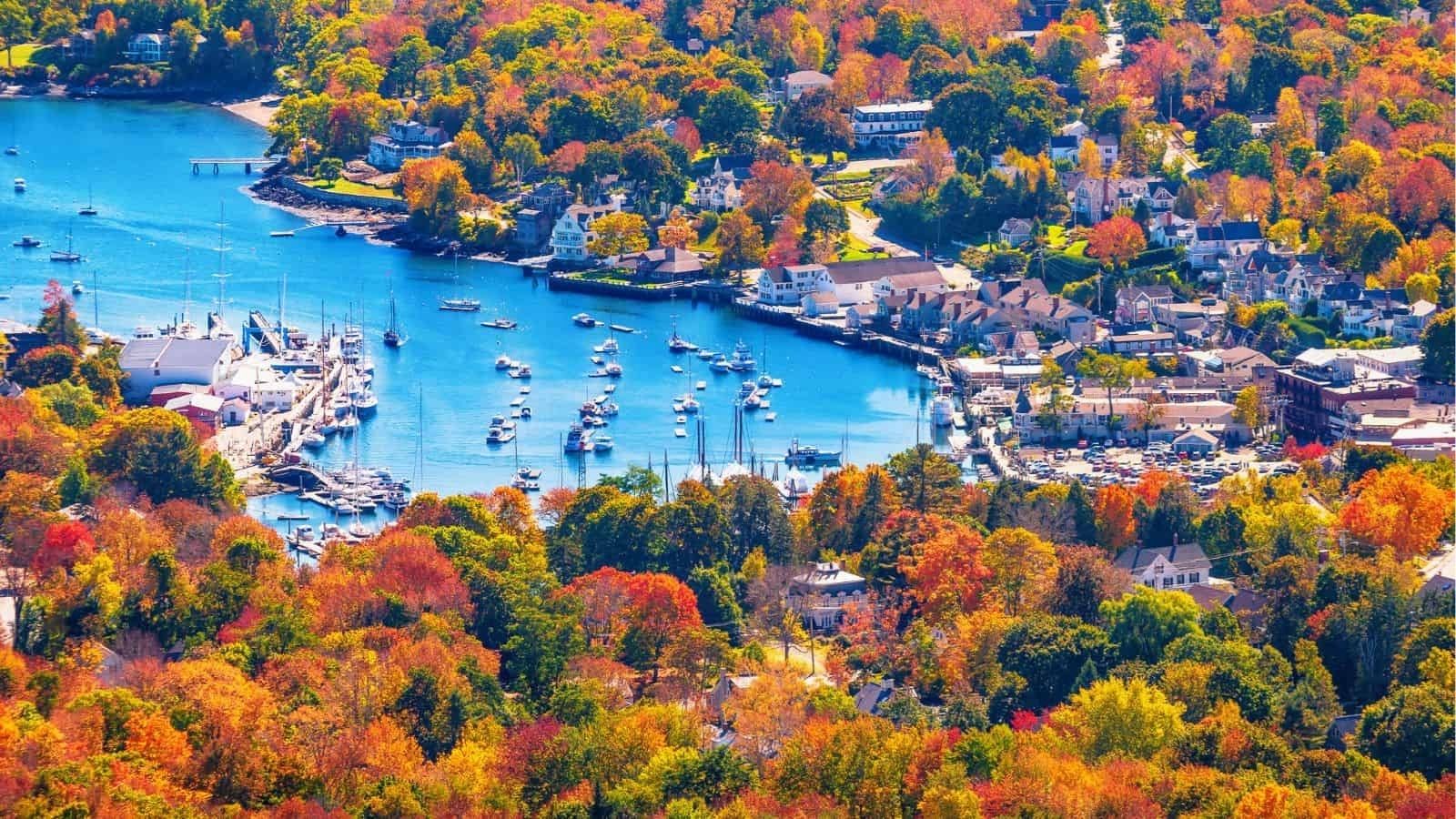
Maine’s coastline and forests quietly shape travel without demanding attention. Rocky shores, small harbors, and inland woods encourage slow movement and repeated routes. Days often revolve around light, tides, and weather rather than schedules. The pace feels steady and grounded.
Takeaway: Maine works best when days remain loosely planned, allowing nature to set the rhythm.
These 10 Southern Destinations Don’t Get the Attention They Deserve

Some of the most rewarding trips in the South happen far from the places that dominate postcards and social feeds. Well-known cities and resorts tend to absorb most of the attention, while other destinations quietly offer just as much character with far fewer crowds. For couples who value pace, atmosphere, and easy planning, that imbalance matters. Many Southern destinations are easy to reach, comfortable to navigate, and rich in history, food, and scenery. Yet they are often skipped in favor of flashier names. That can mean better availability, more reasonable prices, and a travel experience that feels less hurried from start to finish.
Learn more here: These 10 Southern Destinations Don’t Get the Attention They Deserve
9 International Destinations Americans Can Reach in Under 5 Hours
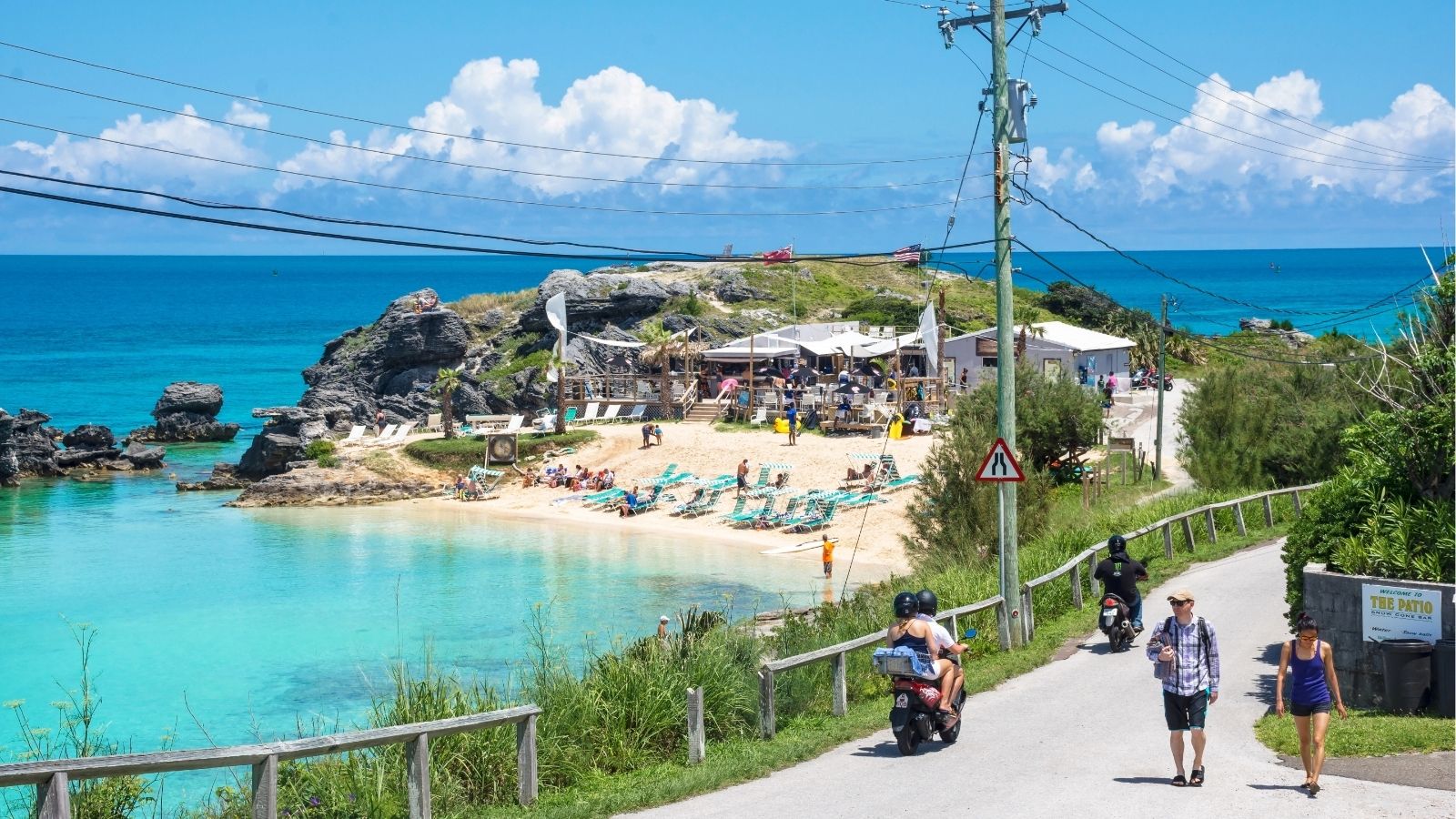
Long travel days can drain a trip before it even begins. For many couples, the idea of going abroad is appealing, but long flights, jet lag, and complicated connections can make it feel like more work than reward. That is especially true when time off is limited. What often gets overlooked is how many international destinations sit just a few hours from the United States. These are places where you can leave in the morning and be walking new streets by afternoon. Shorter flight times make weekend getaways possible and longer trips feel less exhausting from the start.
Learn more here: 9 International Destinations Americans Can Reach in Under 5 Hours
