How a Simple In-Flight Habit Ends Up Delaying Everyone
The plane is ready. The cabin door is closed. Yet the aircraft sits still. What many passengers do not realize is that delays often begin not with weather or mechanics, but with a small habit inside the cabin that quietly slows everything down.
We see it most clearly during boarding and shortly after. Passengers stand, shift seats, reopen overhead bins, and reorganize bags once they are already settled. These movements seem minor. In practice, they disrupt the final checks crews must complete before takeoff.
When passengers continue adjusting after boarding, the aisle becomes active again. Crew members pause safety procedures to ensure bags are secured and pathways are clear. Each interruption adds time. When repeated across multiple rows, delays accumulate quickly.
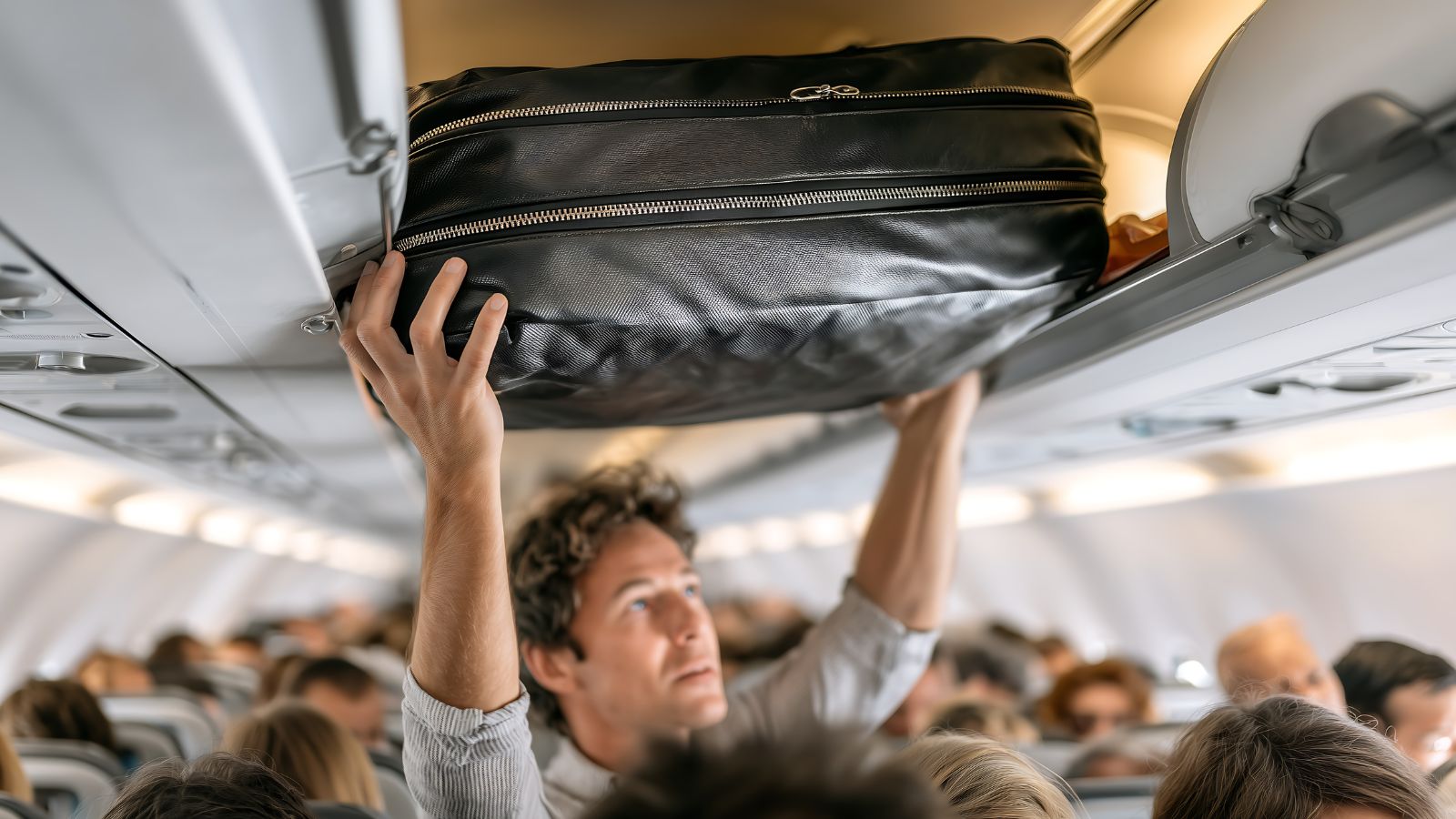
Overhead bins are a common trigger. Another waits behind them, and the aisle blocks. Crew members must intervene to keep exits clear and bins properly closed. These steps are required for safety, not convenience, and they cannot be rushed.
Seat changes create similar issues. Swapping seats, retrieving forgotten items, or reaching across rows increases movement when the cabin should already be settled. Even well-intentioned actions extend the window before final clearance can be given.
We also notice that these habits often come from anxiety rather than disregard. Passengers worry about comfort, access to belongings, or feeling unprepared. Unfortunately, the solution many choose—standing and adjusting—has the opposite effect on timing.
Experienced travelers tend to minimize this disruption. They prepare essentials in advance, place carry-ons once, and remain seated after boarding. Their behavior allows the cabin to stabilize faster, which helps crews complete safety checks without interruption.
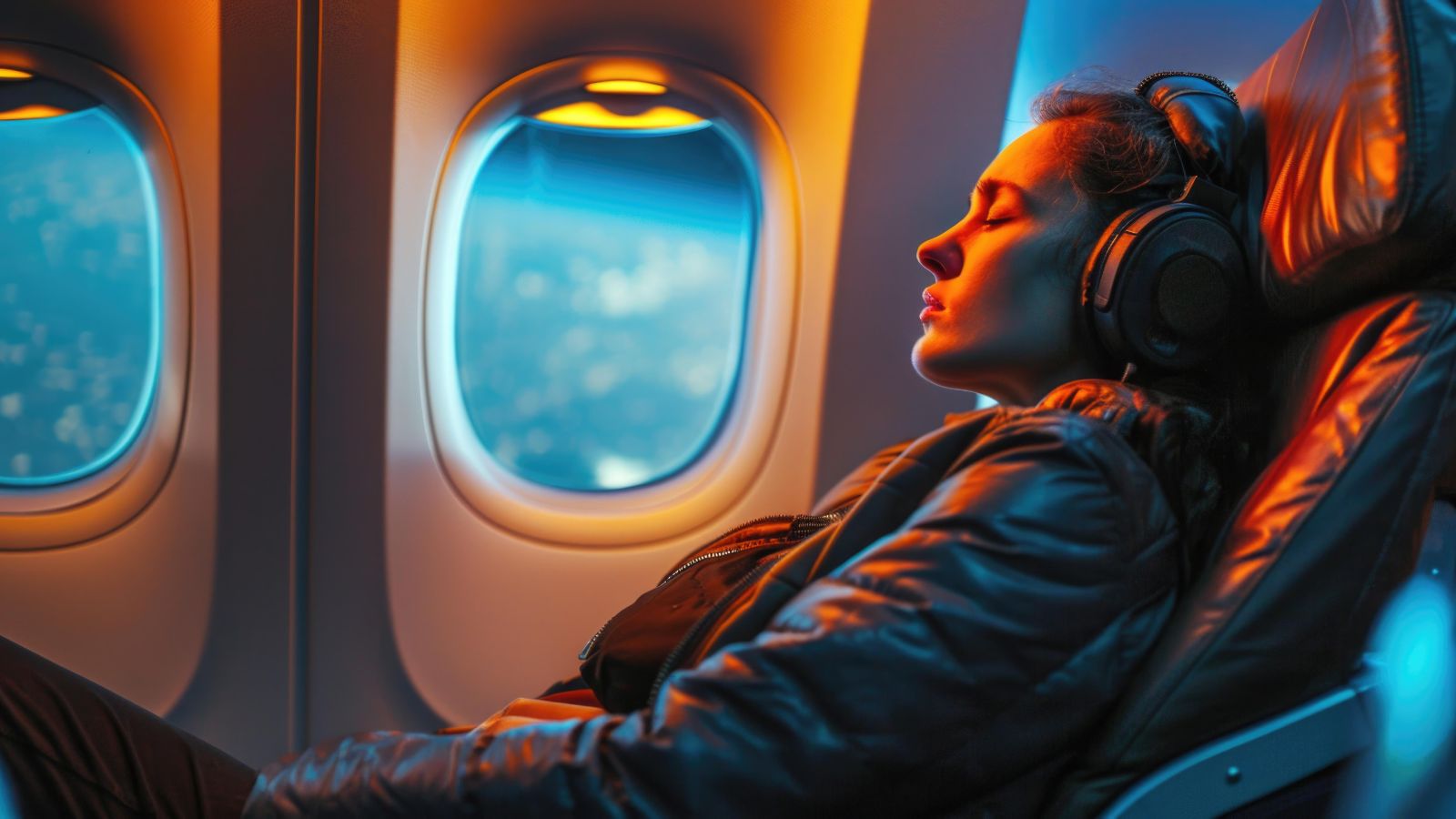
So what can passengers do differently? Treat boarding as the final stage, not a warm-up. Place items carefully the first time. Keep frequently needed belongings within reach before sitting down. Once seated, stay seated unless assistance is needed.
Flights rarely leave late because of one dramatic issue. More often, they are delayed by small, repeated disruptions inside the cabin.
When passengers settle once and stay settled, the cabin moves more efficiently. Takeoff happens sooner. And everyone arrives a little less stressed than expected.
